

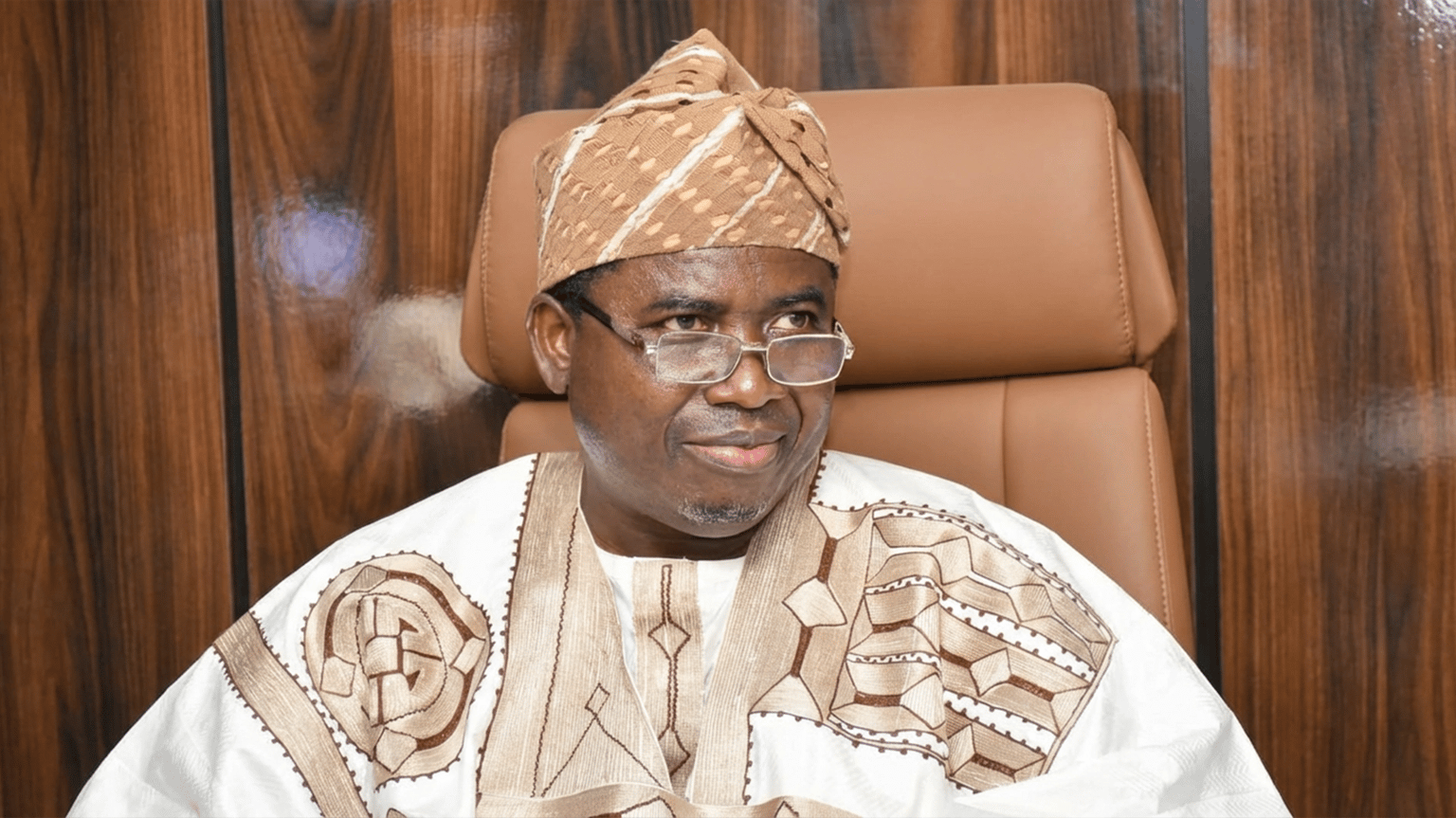
Nigeria’s preparations for the 2027 general elections have come under the scrutiny of a regional assessment mission from the Economic Community of West African States (ECOWAS), as the Independent National Electoral Commission (INEC) continues work on the administrative and technical arrangements for the nationwide polls.
The delegation, led by former Sierra Leone Vice-President Victor Bockarie Foh, visited INEC headquarters in Abuja on Friday to examine the country’s level of preparedness and identify areas where regional assistance might be required.
The visit comes as INEC works towards meeting the requirements outlined in its revised election timetable, with the commission reporting progress on voter registration, electoral technology and coordination with security agencies.
Foh said the mission was part of ECOWAS’ efforts to assess preparations in member states approaching general elections. He explained that the delegation would engage relevant electoral stakeholders to determine their readiness and establish where the regional organisation could offer support.
The exercise, he added, was being conducted under Article 31 of the ECOWAS Protocol on Democracy and Good Governance and Article 53 of the ECOWAS Conflict Prevention Framework.
The delegation included Serigne Mamadou Ka, head of the ECOWAS Electoral Assistance Division.
More than 103 million voters on INEC register
One of the major figures emerging from the meeting was the size of Nigeria’s voter register, which INEC Chairman Joash Amupitan said had exceeded 103 million.
The figure highlights the extensive logistical demands facing the electoral body as it prepares to conduct elections across the country.
According to Amupitan, voting activities will cover 8,809 registration areas and 774 local government areas, requiring coordinated planning across Nigeria’s different regions.
He disclosed that nine of the 14 major statutory activities contained in the revised election timetable had been completed.
The commission has also concluded three phases of its Continuous Voter Registration exercise and finished the nationwide physical display of the preliminary voters’ register.
These activities form part of the preparations required to organise the elections. The remaining tasks will need to be completed in accordance with the commission’s timetable and applicable legal requirements.
INEC has also been carrying out readiness assessment visits across the six geopolitical zones to review its level of preparation and identify areas that may require additional attention.
The assessments provide an opportunity to examine the practical demands of conducting elections on such a large scale before the country goes to the polls.

Amupitan addresses concerns over INEC’s political neutrality
Beyond the operational preparations, Amupitan used the meeting with the ECOWAS delegation to restate the commission’s position on political impartiality.
He said INEC would not favour any candidate or political party in the 2027 elections, maintaining that the commission’s responsibility was to administer the electoral process in accordance with the law.
“INEC under my watch has no candidate and no political party,” he said.
The chairman explained that the commission’s loyalty was to the rule of law, the choices of the Nigerian electorate and the country’s democratic development.
His statement places the responsibility for choosing political officeholders firmly with voters, while reaffirming INEC’s stated obligation to remain impartial in carrying out its duties.
As preparations continue, the commission will be responsible for overseeing the procedures governing voter accreditation, the management of election results and the implementation of other statutory requirements.
The credibility of the process will depend not only on the assurances given by the commission but also on how consistently electoral rules are applied throughout the country.
Electronic verification to feature in election arrangements
INEC is also preparing to use biometric and electronic systems during the 2027 polls.
Amupitan said the Bimodal Voter Accreditation System, commonly known as BVAS, would be used to verify voters through fingerprint and facial recognition.
The commission also plans to deploy electronic systems for managing election results.
The chairman disclosed that INEC had introduced the eEC8A electronic verification platform to complement its existing result management arrangements.
The platform is expected to operate alongside the INEC Result Viewing Portal, known as IReV, which allows the public to view polling-unit result sheets uploaded to the portal.
The use of these systems is part of the commission’s preparations for managing voter accreditation and election information.
Their contribution to the electoral process will depend on effective deployment and the commission’s ability to ensure that established procedures are followed during the polls.
Security coordination forms part of INEC’s plans
The electoral body is also working with security agencies to prepare for the elections.
Amupitan said the collaboration was being handled through the Inter-Agency Consultative Committee on Election Security, which provides a platform for coordination among relevant institutions.
The arrangement is intended to support security planning around electoral activities and help safeguard the process.
Security considerations are particularly important during nationwide elections, when voters, electoral personnel and sensitive materials must be protected across numerous locations.
INEC’s engagement with the relevant agencies is therefore one of the measures being pursued as preparations advance.
Regional support for the electoral process
For ECOWAS, the assessment offers an opportunity to examine Nigeria’s preparations and determine whether additional cooperation could be beneficial.
Foh said the delegation would evaluate the readiness of electoral stakeholders rather than focus solely on the activities of the electoral commission.
The mission’s findings could help the regional body identify areas where technical assistance or other forms of support may be appropriate under its democratic governance and conflict prevention frameworks.
With the 2027 elections approaching, INEC faces the task of completing its outstanding statutory activities while preparing the personnel, systems and logistical arrangements required for the exercise.
The commission has outlined several steps already taken, including progress on voter registration, plans for electronic result verification and engagement with security agencies.
Amupitan has also made clear that INEC does not intend to endorse any political party or candidate.
Ultimately, the election process will test the commission’s ability to translate these preparations and assurances into an exercise conducted according to the law, with the outcome reflecting the choices made by Nigerian voters.
About The Author
