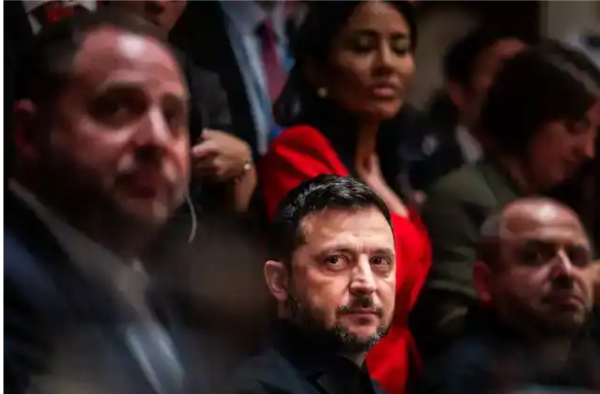
Ukraine-Russia war drone strikes marked the New Year as Moscow and Kyiv exchanged attacks on energy infrastructure, escalating hostilities while peace negotiations cautiously progressed.
Ukraine confirmed its drones struck Russian energy facilities, causing fires at oil and storage sites before emergency services reportedly contained the damage.
Russian regional officials said the attacks targeted infrastructure in Tatarstan and Krasnodar, highlighting Ukraine’s ability to strike far beyond front-line positions.
Kyiv described the strikes as part of efforts to weaken Russia’s war financing by disrupting key energy production and logistics networks.
Russia responded with extensive drone attacks across several Ukrainian regions, damaging electricity systems and cutting power supplies to civilian communities.
Ukraine’s energy ministry said infrastructure in Volyn, Odesa, and Chernihiv regions suffered damage following overnight Russian drone activity.
Officials in Volyn reported that more than 103,000 households lost electricity, underlining the civilian impact of continued energy grid attacks.
The exchanges came as President Volodymyr Zelensky suggested a possible breakthrough, saying Ukraine was “10 per cent” away from a peace agreement.
Zelensky emphasized that Kyiv would not accept peace “at any cost,” warning against agreements that could weaken sovereignty or future security.
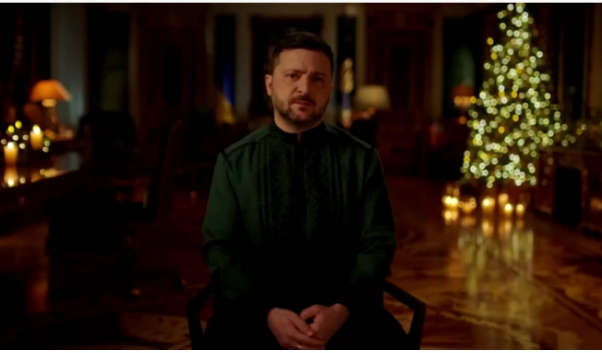
In his New Year address, Zelensky said Ukrainians believe in peace but continue fighting to avoid signing what he called a weak deal.
He also warned allies that delays in air defence deliveries leave Ukrainian cities vulnerable to intensified Russian drone and missile assaults.
Zelensky said partner nations clearly understood Ukraine’s urgent military needs and must ensure promised equipment arrives without delay.
He referenced agreements reached with the United States in late December, expressing expectations that deliveries would proceed as planned.
Zelensky recently met US President Donald Trump in Florida to discuss a framework aimed at ending the nearly four-year conflict.
Both leaders described the talks as productive, though disagreements remain over territorial control and long-term security guarantees.
Kyiv is reportedly considering hosting US troops as part of post-war security arrangements linked to any peace settlement.
Moscow has not officially responded but continues insisting that territorial changes resulting from the war must be formally recognized.
Russia accused Ukraine of carrying out deadly strikes in Russian-controlled areas, allegations Kyiv has neither confirmed nor independently verified.
Pro-Russian outlets released images of damaged buildings, though casualty figures and circumstances could not be independently confirmed.
Ukraine’s military did not immediately comment on specific claims but reiterated its focus on military-linked infrastructure targets.
Analysts note that drone warfare now defines much of the conflict, allowing deep strikes without large-scale ground operations.
Energy infrastructure has become a primary target, reflecting efforts to strain economic capacity and civilian morale during prolonged fighting.
Germany announced the deployment of two additional Patriot air defence systems to strengthen Ukraine’s protection against aerial attacks.
Ukrainian defence officials said the systems would help safeguard cities and critical infrastructure amid continued Russian drone launches.
Experts say winter conditions magnify the effects of power disruptions, making energy attacks particularly harmful to civilians.
Despite battlefield escalation, diplomatic engagement has increased, with intermediaries attempting to narrow gaps between Kyiv and Moscow.
Zelensky reiterated that peace must guarantee Ukraine’s independence, territorial integrity, and protection from future aggression.
Russian officials maintain Ukraine must accept what they describe as new geopolitical realities created by the war.
International monitors reported civilian deaths and injuries increased during 2025, driven largely by aerial attacks on populated areas.
Read also:Trump Administration freezes childcare funding nationwide, triggering statewide uncertainty, political backlash
Humanitarian groups warned that sustained power outages could worsen living conditions during winter months across affected regions.
As 2026 begins, the Ukraine-Russia war continues with no immediate ceasefire, despite cautious optimism from diplomatic channels.
The New Year drone strikes highlight the fragile balance between military escalation and ongoing peace discussions.
Whether continued attacks will pressure both sides toward compromise remains uncertain amid persistent volatility.
For now, Ukraine enters another year shaped by resilience, strategic calculation, and guarded hope for a lasting peace.