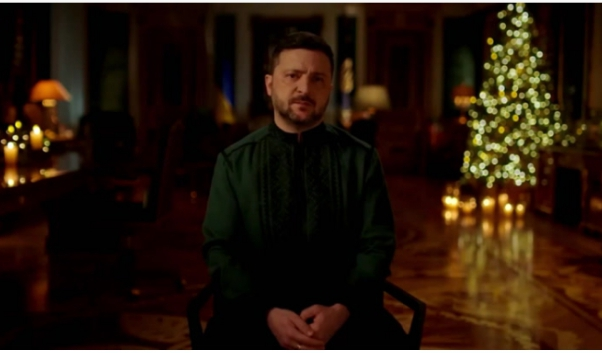
The Trump Ukraine peace plan exposes irreconcilable differences between Moscow and Kyiv, highlighting Ukraine’s determination for Western integration against Russia’s insistence on restoring control over its neighbor.
Russia invaded Ukraine to pull it back into Moscow’s orbit, while Trump’s proposal strengthens Kyiv’s security, economy, and political alignment with Europe and the United States.
At the heart of negotiations lies Ukraine’s refusal to abandon democratic ambitions, clashing with Russia’s long-standing goal of blocking NATO and European Union expansion eastward.
Trump’s initiative includes NATO-like security guarantees for Ukraine, a concept Russian leaders consider unacceptable and contrary to their stated objectives since the invasion began.
Another element proposes a demilitarized free economic zone along current front lines, potentially monitored by Western forces, further alarming Moscow about foreign military presence.
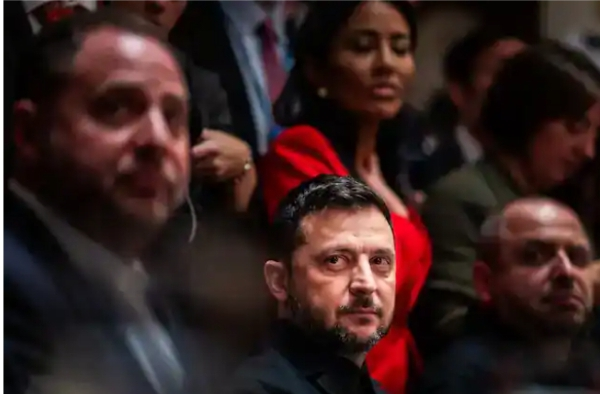
The plan also suggests U.S. involvement operating Ukraine’s Zaporizhzhia nuclear power plant, seized by Russia in 2022, challenging Kremlin efforts to integrate the facility into its grid.
Despite claiming openness to peace, Vladimir Putin is expected to reject provisions increasing Western engagement, viewing them as threats to Russian influence and strategic depth.
Optimism briefly followed Trump’s meeting with President Volodymyr Zelensky, yet both sides entered 2026 with Russia maneuvering diplomatically and militarily for advantage.
Moscow attempted to shape Trump’s perception by alleging Ukrainian drones targeted one of Putin’s residences, claims Ukraine denied and analysts questioned due to lacking evidence.
Initially, Trump expressed outrage, but later shared commentary suggesting the alleged attack was fabricated to undermine peace efforts and justify intensified Russian strikes.
Ukrainian officials and diplomats viewed the accusations as psychological operations aimed at derailing talks and shifting blame onto Kyiv during sensitive negotiations.
Russia’s narrative gained traction internationally, frustrating Ukrainians enduring power outages and civilian casualties from sustained missile and drone bombardments.
Behind the scenes, Ukraine had been pressured to accept a sweeping peace proposal demanding major concessions or risk losing American support before revisions softened terms.
The revised plan removed demands for outright territorial surrender, easing Ukrainian concerns and generating cautious optimism among European leaders backing Kyiv.
Polish Prime Minister Donald Tusk suggested Trump might consider deploying U.S. troops as part of security guarantees, signaling potential shifts in Washington’s stance.
Yet improvements for Ukraine made the deal less palatable for Russia, which has consistently demanded sweeping concessions amounting to Ukrainian capitulation.
Russian officials responded by ordering troops to capture additional territory in Zaporizhzhia, Kharkiv, and Sumy regions, reinforcing leverage before further talks.
Moscow’s ultimate objective remains severing Ukraine’s Western ties, a priority driving its annexation of Crimea and intervention in eastern Ukraine since 2014.
Trump’s team has attempted to portray the United States as a neutral mediator, despite Russia accusing Washington and NATO of provoking and participating in the conflict.
Trump’s motivation includes projecting peacemaking credentials, possibly eyeing international recognition, while Putin faces accusations of war crimes by international courts.
Observers note that even modest compromises encounter immovable obstacles, revealing how distant a comprehensive settlement remains despite renewed diplomatic activity.
Read also: Trump Administration freezes childcare funding nationwide, triggering statewide uncertainty, political backlash
Trump acknowledged complexity after meeting Zelensky, conceding the conflict cannot be resolved quickly despite earlier claims of ending it within twenty-four hours.
Zelensky’s strategy focuses on proving Ukraine is not obstructing peace, successfully securing high-profile meetings and extended consideration of security guarantees.
Kyiv requested guarantees lasting fifty years instead of fifteen, a proposal Trump indicated he would consider, further irritating Moscow’s leadership.
Russian advisers intensified messaging before and after talks, asserting ceasefire proposals merely prolong conflict and insisting Putin and Trump share similar views.
Trump struck a cautiously optimistic tone publicly, yet repeated Russian claims about Ukraine, prompting raised eyebrows and restrained reactions from Zelensky.
Diplomats described Trump’s treatment of Zelensky as rude and hurtful, suggesting misunderstandings undermined trust during critical discussions.
Following renewed phone calls, Putin convinced Trump Ukraine launched a drone attack, despite inconsistent Russian accounts and absence of independent verification.
Russian officials offered conflicting details, delayed evidence releases, and produced limited imagery, raising skepticism among analysts and intelligence observers.
Ukraine warned such allegations often precede major Russian attacks, fearing the narrative prepared justification for escalated strikes on Kyiv.
Several countries condemned Ukraine based solely on Russia’s claims, demonstrating how quickly Moscow’s narrative spread internationally.
American intelligence later assessed no attack occurred, yet the episode illustrated Russia’s capacity to influence perceptions during fragile negotiations.
Beyond drone allegations, fundamental disagreements persist, especially over strengthening Ukraine’s Western ties through economic integration and security commitments.
Proposals to share electricity from Zaporizhzhia would undermine Russia’s control ambitions and likely require foreign monitoring, complicating implementation.
The free economic zone concept threatens Moscow’s aspirations for full Donbas control while encouraging Western investment in Ukrainian reconstruction.
Peacekeeping forces from supportive countries contradict Putin’s demands, with Russia warning any foreign troops would become legitimate targets.
Alleging attacks on Putin’s residence provided Moscow an easier pretext to disrupt talks without overtly rejecting Trump’s initiative.
Ukrainian lawmakers argue Russia feigns interest to avoid alienating Trump, manipulating events to shift responsibility onto Kyiv.
As negotiations continue, Ukraine hopes Russian rejection exposes manipulation, potentially prompting stronger U.S. support.
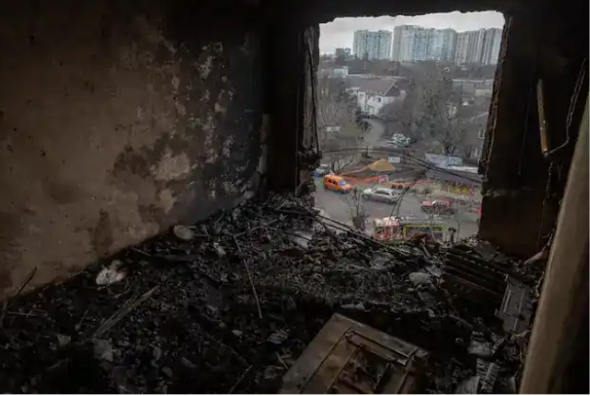
Yet Russia’s strategic aim remains unchanged, ensuring any peace preserves leverage and limits Ukraine’s Western future.
The Trump Ukraine peace plan thus highlights enduring divisions, revealing why ending the war remains profoundly difficult despite renewed diplomatic momentum.
About The Author