Ukraine drone strikes have intensified pressure on Russia’s energy infrastructure, triggering fuel shortages and sparking fresh calls from influential Russian hardliners for a more aggressive response to the war.
The attacks have targeted key oil and refining facilities, disrupting fuel supplies and exposing vulnerabilities in one of the world’s largest energy-producing nations. The latest developments come as Ukraine continues to expand its long-range strike capabilities, bringing the effects of the conflict deeper into Russian territory.
Russia, the world’s third-largest oil producer and a major exporter of crude and refined petroleum products, is reportedly preparing to import fuel by sea in an effort to ease shortages caused by repeated attacks on its refineries.
Russian Fuel Crisis Deepens After Refinery Attacks
The growing disruption to Russia’s energy sector has become one of the most significant consequences of Ukraine’s drone campaign.
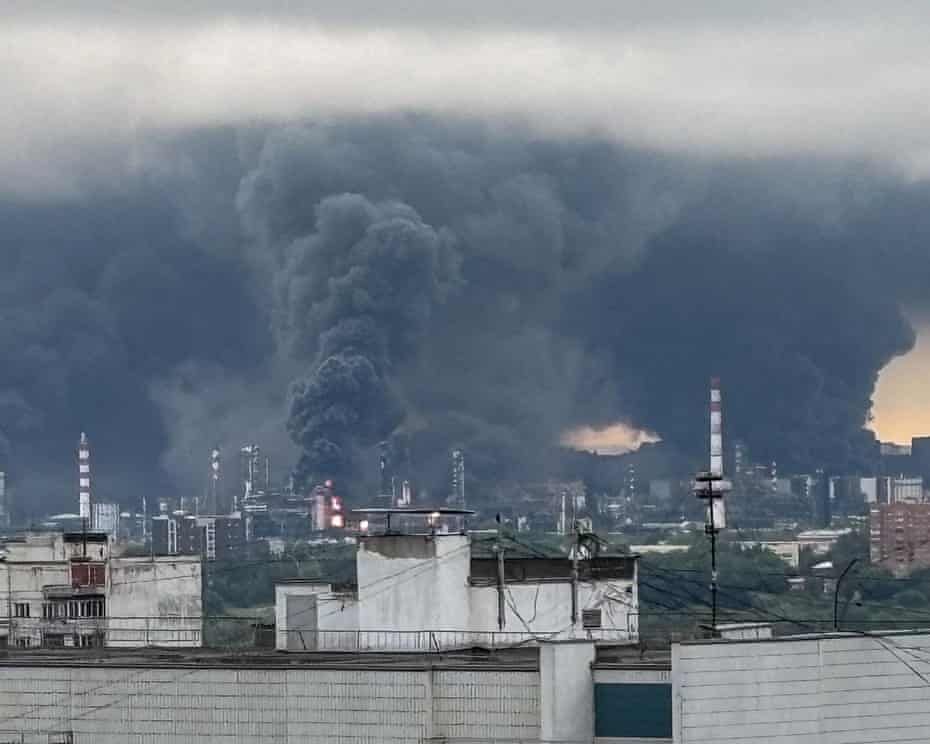
Repeated strikes on refineries have reduced processing capacity and complicated fuel distribution across several regions. What began as isolated disruptions has evolved into a broader challenge for Russian authorities attempting to maintain stable supplies.
The situation has become serious enough that Moscow is turning to fuel imports to compensate for production losses, an unusual development for a country that ranks among the world’s leading energy exporters.
Analysts believe the attacks are designed not only to damage infrastructure but also to increase economic pressure on the Kremlin by targeting sectors critical to the country’s war effort.
Russian Hardliners Call for Escalation
The attacks have triggered angry reactions from influential voices within Russia, with some calling for a dramatic escalation of military operations.
Ultraconservative billionaire Konstantin Malofeev openly questioned Moscow’s current approach, asking: “What else has to happen before we start fighting for real?”
In one of the most controversial responses to the latest attacks, he added: “Why aren’t we using the nuclear weapons that our ancestors created and stockpiled through the efforts of the entire country precisely for moments like this?”
The remarks reflect growing frustration among nationalist figures who believe Russia should respond more forcefully to Ukrainian operations inside its territory.
Former lieutenant general and State Duma deputy Andrey Gurulyov also demanded stronger action, declaring that Russia must “strike the enemy mercilessly” in response to the attacks.
“We need to strengthen our air defence system, but most importantly, we need to hit the enemy,” he said. “Hit the enemy mercilessly, without overthinking it.”
The comments highlight the increasingly heated debate within Russia over how the Kremlin should respond to Ukraine’s expanding drone campaign.
Zelensky Holds Key Talks With Trump and Macron
The latest Ukrainian strikes came shortly after President Volodymyr Zelenskyy revealed that he had held what he described as “an important coordination call” with US President Donald Trump and French President Emmanuel Macron.
According to Zelenskyy, the discussions could potentially “bring about significant change” as Ukraine continues to seek military and diplomatic support from its allies.
The Ukrainian leader also reported progress during meetings with world leaders gathered at the G7 summit, where Kyiv secured additional commitments of support.
The diplomatic developments have reinforced Ukraine’s efforts to strengthen international backing while continuing military operations against Russian targets.
Macron Highlights Renewed Support For Ukraine
French President Emmanuel Macron emphasized what he described as renewed unity among Ukraine’s key allies.
“These last few days were very important for Ukraine because it is the reunification of the G7 around Ukraine,” Macron told reporters following discussions with international leaders.
His comments underscored efforts by Western governments to maintain support for Kyiv as the conflict enters another critical phase.
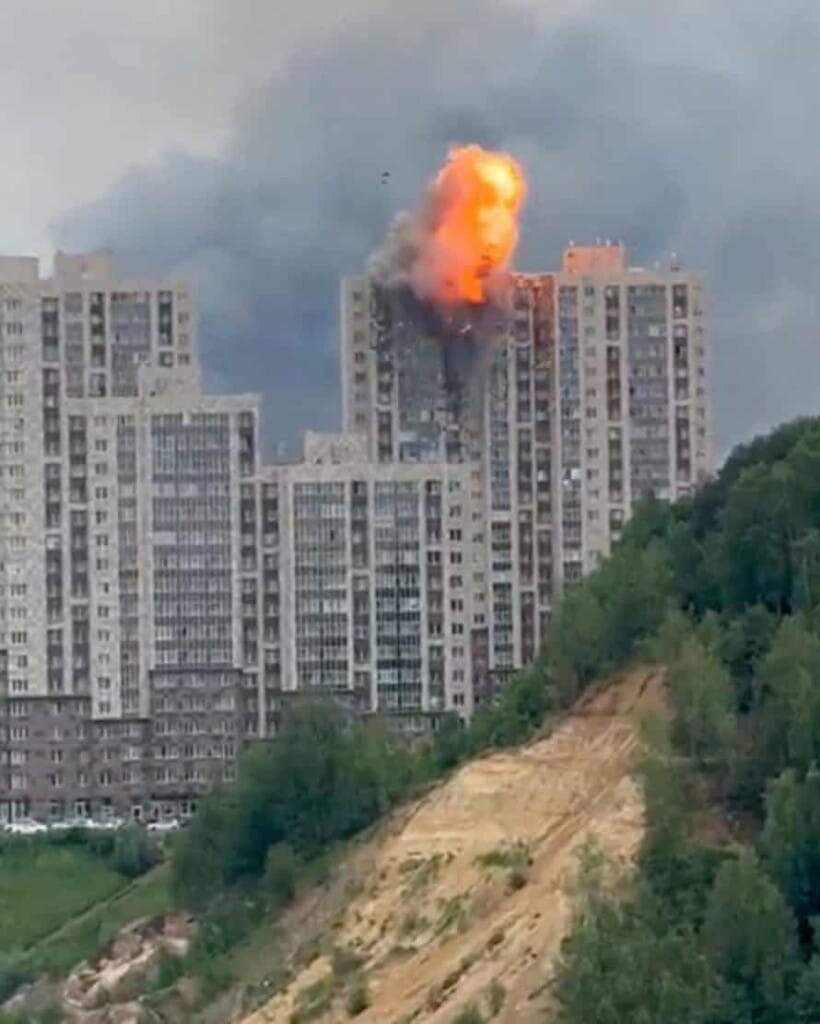
The renewed diplomatic engagement comes as Ukraine seeks additional military assistance, air defence systems and financial support to sustain its resistance against Russian forces.
Fresh Attacks Reported Across Russia and Ukraine
While Ukraine intensified strikes on Russian territory, Russian attacks also continued across Ukraine.
Authorities in Kyiv reported ballistic missile attacks targeting the capital, prompting air raid alerts and forcing residents to seek shelter. Similar warnings were issued across much of the country as concerns over further strikes grew.
In Ukraine’s north-eastern city of Sumy, officials said one person was killed following a drone attack. Additional incidents were reported in other regions as both sides continued exchanging long-range strikes.
Meanwhile, Russian-installed officials in Enerhodar reported that one person was killed in the city where many employees of the Russian-controlled Zaporizhzhia nuclear power plant reside.
In Russia’s Belgorod region, authorities said a Ukrainian drone strike killed a man travelling in a vehicle, while officials in Rostov reported another fatality and fires at commercial facilities following separate attacks.
War Enters New Phase Of Long-Range Strikes
The latest developments illustrate how the conflict is increasingly being shaped by long-range drone and missile attacks rather than traditional front-line battles alone.
Ukraine’s ability to target strategic infrastructure deep inside Russia has emerged as a significant challenge for Moscow, forcing authorities to strengthen air defences and protect critical facilities.
At the same time, Russia continues to launch missile and drone attacks across Ukraine, ensuring that civilians on both sides remain exposed to the consequences of the prolonged conflict.
Read also: Trump Iran deal: President signs 14-point peace agreement to reopen Hormuz and ease sanctions
According to The Guardian, the latest wave of Ukrainian drone strikes has not only intensified pressure on Russia’s energy sector but has also fueled calls from hardliners for a far more aggressive response, underscoring the growing tensions surrounding a war that shows little sign of ending soon.
About The Author