Britain is facing mounting criticism over alleged breaches of its aid commitments, as reductions in funding intensify a humanitarian emergency spilling from Sudan into neighbouring South Sudan.
The UK government previously pledged continued support for Sudan despite reducing overseas aid spending, yet charities say cuts have left refugee-hosting regions dangerously underfunded and overstretched.
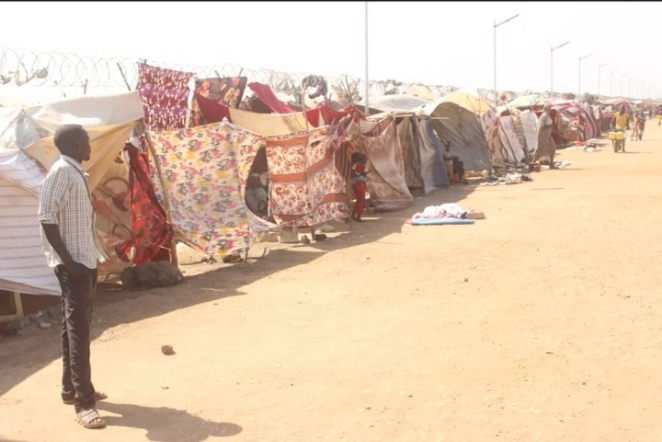
Civil war in Sudan, which erupted in 2023, has created one of the world’s fastest-growing displacement crises, forcing millions to flee violence, hunger, and economic collapse.
South Sudan has absorbed the heaviest impact, with refugees crossing daily into fragile border regions lacking infrastructure, health services, clean water, and sufficient humanitarian support.
Aid organisations warn that reduced international funding has pushed emergency response systems close to collapse, particularly in transit centres designed to offer temporary safety and relief.
Renk, a key processing hub in South Sudan’s Upper Nile state, has become emblematic of the crisis confronting refugees and aid workers alike.
Originally built to accommodate a few thousand people briefly, the Renk transit centre is now hosting tens of thousands at any given time.
By early December, more than 44,000 refugees and returnees were sheltering in Renk, including over 11,000 crammed inside the main transit facility.
Facilities at the site are stretched far beyond humanitarian standards, with just one clean water tap serving approximately 433 people.
The internationally recognised benchmark is one tap per 250 people, underlining the scale of the shortfall facing displaced families.
Health workers report worsening outbreaks of preventable diseases, exacerbated by overcrowding, inadequate sanitation, and shortages of basic medical supplies.
Cholera cases have surged since late 2024, with more than 1,500 recorded overall and new infections continuing to emerge weekly.
Hepatitis E, transmitted through contaminated water or food, has also spread rapidly, infecting more than 1,100 people in recent months.
Aid workers say controlling disease outbreaks is increasingly difficult as new arrivals enter overcrowded facilities daily.
Funding cuts have forced humanitarian organisations to scale back staffing, hygiene programmes, and disease-prevention measures across the region.
At Renk, the number of cleaners has fallen from forty to fifteen, while maintenance teams have been halved, worsening sanitation conditions significantly.
Several health-focused organisations have been forced to shut operations entirely after losing funding, leaving critical gaps in medical care.
Oxfam, which manages water and sanitation services at Renk, narrowly avoided withdrawing last month due to financial constraints.
Shabnam Baloch, Oxfam’s country director in South Sudan, warned that donor fatigue is accelerating humanitarian deterioration.
She said donors increasingly argue they have spent billions in South Sudan with limited visible progress, despite overwhelming and persistent need.
Read also: Japan defence budget fuels China tensions as Tokyo approves record military spending
“This year we supported around 770,000 people,” Ms Baloch explained, “but next year we expect to reach less than half that number.”
Cuts mean humanitarian groups are now “hyper-prioritising,” assisting only those with the most extreme needs while others receive no support.
The situation is worsened by climate-driven disasters, including flooding that displaced approximately 300,000 people across South Sudan this year.
Extreme heat has accelerated water evaporation in reservoirs supplying Renk, threatening shortages months earlier than seasonal norms.
Aid workers warn that if reservoirs dry up by January, costly emergency water trucking will become the only remaining option.
Behind these challenges lies a sharp reduction in international funding, including significant cuts by the UK government.
According to United Nations data, UK aid to South Sudan fell by more than 40 per cent between 2024 and 2025.
Funding dropped from $131 million (£97 million) in 2024 to just $75 million (£56 million) this year.
The United States also reduced contributions, slashing aid from $708 million to $283 million during the same period.
Germany cut funding from $102 million to $63 million, adding to the strain on humanitarian operations.
Campaigners argue that cutting aid to South Sudan undermines Britain’s stated commitment to supporting Sudan’s civilian population.
When the UK reduced aid spending from 0.5 to 0.3 per cent of gross national income, Sudan was named a priority region.
Government ministers promised not to “look away” from Sudan’s crisis, emphasising continued assistance despite overall budget reductions.

Charities now argue that support for neighbouring countries hosting refugees should form part of the same humanitarian response.
Ms Baloch said donor nations must adopt a regional perspective, recognising the interconnected nature of displacement and conflict.
“South Sudan and Chad were already in crisis before refugees arrived,” she said, “and they cannot manage alone.”
The UK government rejects claims it has abandoned Sudan or its neighbours, pointing to continued financial commitments.
Foreign Secretary Yvette Cooper said Britain has pledged more than £146 million this year alone in response to Sudan’s conflict.
Since fighting began, UK aid has supported over one million people through food assistance, clean water, medical supplies, and nutrition programmes.
Ms Cooper said Britain remains committed to ending the conflict and delivering lifesaving aid to civilians trapped by violence.
Despite these assurances, aid workers on the ground say current funding levels are insufficient to meet escalating needs.
South Sudan itself faces worsening insecurity, with renewed fighting displacing approximately 445,000 people this year alone.
The International Committee of the Red Cross reports treating nearly 1,000 weapon-wounded patients in supported hospitals.
More than 80 per cent of South Sudan’s population lives in poverty, compared with around 50 per cent at independence in 2011.
The United Nations estimates that six million people currently face extreme hunger nationwide.

Several regions risk slipping into famine if aid reductions persist into the coming year.
For refugees arriving at Renk, the crisis compounds trauma already endured during their journeys.
Many report witnessing killings, abuse, and exploitation while crossing checkpoints in search of safety.
Aid workers say the psychological toll is immense, particularly for women and children arriving malnourished and exhausted.
Without sustained international funding, humanitarian groups warn conditions will deteriorate further in early 2026.
They caution that lives will be lost not because solutions are unavailable, but because resources have been withdrawn.
As displacement continues unabated, critics argue the UK must reconcile its aid promises with the realities unfolding on the ground.
About The Author