Liverpool’s build-up to their UEFA Champions League encounter with Real Madrid has been disrupted by uncertainty surrounding the fitness of striker Alexander Isak, who has yet to recover fully from injury.
The forward has missed several matches due to the groin problem, and the latest assessments indicate he remains unavailable for group training. Medical staff are maintaining a cautious recovery schedule.
The development leaves the team in a difficult position ahead of a key European night, where both clubs are desperate for a result to strengthen their qualification chances.
The persistent absence of Alexander Isak continues to test the squad’s depth. His influence in attack has been evident since his arrival, combining technical precision, movement, and finishing instinct.
Supporters have expressed concern that the side’s attacking balance could be affected if the striker remains sidelined. The club’s medical unit, however, prefers to avoid risking a recurrence of the injury.
The match against Real Madrid represents one of the toughest fixtures in the group stage, and having Alexander Isak unavailable would significantly alter tactical planning and attacking rhythm.
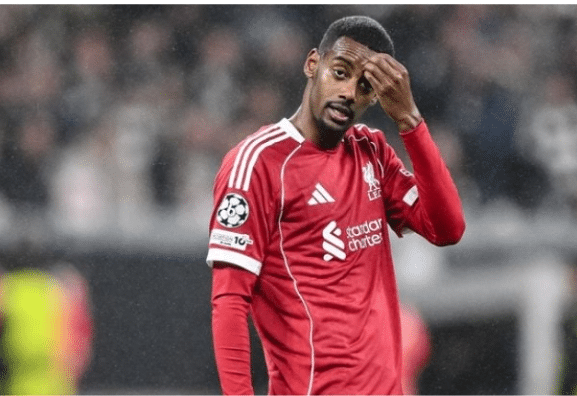
Team insiders confirm that rehabilitation sessions are ongoing, focusing on muscle stability, controlled exercises, and light ball work. Despite progress, the striker remains short of competitive readiness.
The manager, speaking ahead of the clash, admitted that Alexander Isak’s situation is frustrating but emphasized the importance of patience to ensure a complete recovery before returning to competitive action.
“He’s responding positively to treatment, but it’s still not enough for a game of this magnitude. We’ll keep monitoring his fitness over the coming days,” he stated.
The team is expected to explore alternative attacking options. Other forwards could be deployed in central roles, with tactical flexibility allowing for adjustments depending on the flow of the match.
Without Alexander Isak, there is speculation about a potential switch in formation, possibly emphasizing midfield control rather than direct attacking pressure.
Strategic Reassessment
The absence of a natural target man forces the coaching staff to rely on a more fluid approach in attack. Several creative midfielders may be pushed forward to support pressing play.
This adjustment requires coordination between wide players and midfielders to compensate for the striker’s usual link-up contribution. The strategy aims to maintain offensive intensity despite the missing focal point.
Defensively, the team also faces challenges. Injuries to key defensive and goalkeeping figures mean structural stability must be preserved through compact organization and transitional discipline.
The opponent, Real Madrid, enters the contest with momentum, having maintained consistency in both domestic and continental matches. Their defensive record and attacking transitions remain major threats.
For Liverpool, the focus will be on collective effort, positional awareness, and maximizing home advantage in front of their supporters, who expect a strong response after recent setbacks.
Isak’s Role and Recovery Path
The ongoing recovery of Alexander Isak has been closely managed since the initial injury occurred several weeks ago. The medical department introduced an individualized rehabilitation plan designed to avoid setbacks.
This program includes physiotherapy sessions, hydro-recovery work, and gradual muscle-strength development. The main objective is to restore full flexibility without triggering renewed discomfort in the affected area.
Training staff remain optimistic that Alexander Isak will return before the next round of fixtures, though a definitive date has not been provided. The situation will depend on his response to upcoming medical tests.
The forward’s teammates have expressed solidarity, describing him as a vital presence both on and off the pitch. His calm demeanor and professionalism continue to motivate the squad during this demanding campaign.
Historical Context
Encounters between Liverpool and Real Madrid have produced some of the most memorable nights in European football. From classic finals to dramatic group clashes, the rivalry carries deep emotional significance.
Tuesday’s meeting is another chapter in that history, one expected to deliver high intensity and tactical depth. Both sides are known for attacking flair and disciplined defensive organization under pressure.
However, for the English side, the challenge grows steeper without Alexander Isak, whose movement and timing inside the penalty area often unsettle opposing defenders.
The coaching team has focused on strengthening transitional play, with midfielders expected to push higher to compensate for the lack of a clinical striker. Ball circulation and patience will be key in breaking Madrid’s compact structure.
Team Morale and Focus
Despite the injury concerns, the overall mood in camp remains positive. Players believe in their ability to adapt tactically and perform collectively under challenging circumstances.
Team leaders have called for concentration and unity, urging teammates to focus on performance rather than unavailable personnel. Such mindset, they believe, reflects the club’s enduring resilience.
The staff continues to stress the importance of game management, especially against opponents renowned for counterattacking precision. Defensive transitions will be critical throughout the ninety minutes.
Analysts expect Liverpool to adopt a disciplined start, seeking control through possession and minimizing space for Madrid’s pace-driven breaks. Clinical execution in the final third remains the primary concern.
Champions League Implications
The outcome of this fixture carries significant implications for the group standings. A win would strengthen Liverpool’s path to the knockout stages, while defeat could place qualification in jeopardy.
With Alexander Isak missing, the side will rely on tactical adaptability, fast transitions, and set-piece efficiency. Each phase of play will require composure and strategic awareness.
Supporters have emphasized the importance of discipline and unity, reminding players that success in Europe often depends on psychological endurance as much as technical execution.
In the broader context, this match is more than a group-stage meeting; it’s a statement of resilience, identity, and ambition in pursuit of continental glory.
Looking Ahead
The coaching staff remains hopeful that Alexander Isak will rejoin full training within the next few weeks, once the medical team confirms stability in the injured region.
If recovery proceeds as planned, he could be available for subsequent domestic fixtures, easing the team’s attacking burden. His return would provide much-needed variety and confidence in the final third.
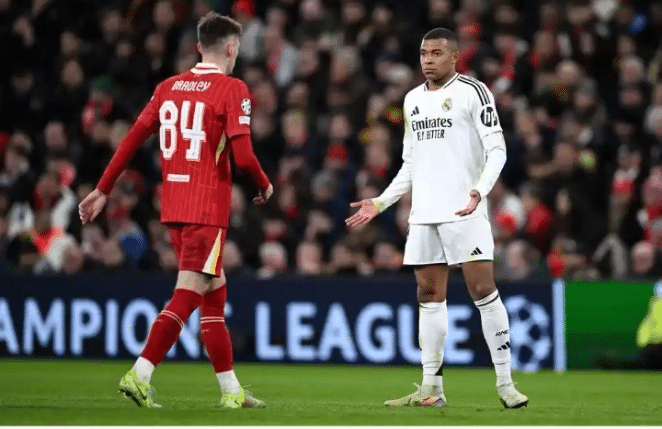
For now, the focus remains on adapting strategies and utilizing available resources effectively. The squad understands that success at this level demands flexibility and collective strength.
Alexander Isak’s rehabilitation progress will continue to be monitored closely. His eventual comeback is expected to reinvigorate the team’s offensive structure and restore their dynamic rhythm across competitions.
The upcoming contest against Real Madrid may serve as a defining moment for the season, testing both the tactical intelligence and mental toughness of the entire squad.
Regardless of the result, the determination to overcome adversity without key players demonstrates the side’s evolving maturity and competitive spirit at the highest stage of European football.
About The Author