

Donald Trump has warned the US will return to “strong military action” against Iran if current diplomatic efforts do not produce a rapid resolution. The warning came as Washington and Tehran sent conflicting signals about talks.
Speaking to Axios on Monday, Trump said: “We are in very deep talks with Iran. If they don’t work out, we will go back to very strong military action.” He added there was “not much time.”
Later on Air Force One, he repeated the message. “They want to meet, and we’re meeting. Without what we did, they wouldn’t even be talking to us,” he told reporters.
Conflicting Messages On Negotiations
Tehran immediately pushed back. Foreign ministry spokesperson Esmaeil Baqaei said there were no direct negotiations with the US to end the conflict.
“Mediators may convey messages from the American side to us regarding current developments in the region. But at present we are not engaged in any negotiations with the United States,” Baqaei said.
The crisis began in late February with US-Israeli strikes. It has since rocked the Middle East and disrupted global shipping and energy markets.
Trump Says Pressure Forced Iran To Table
Trump claimed military pressure created the opening for diplomacy. “The only reason they want to meet is because we’ve been hitting them very hard,” he said.
US officials have described recent weeks as a pause, not a ceasefire. The White House says strikes were a response to Iranian breaches of a June memorandum.
Iran rejects that framing. It insists the ceasefire left it in sole charge of reopening the Strait of Hormuz and managing shipping through the waterway.
Strait Of Hormuz At Center Of Talks
Oman and Iran held technical talks in Tehran on Friday and Saturday. The goal is an agreement in principle on managing the strategic strait.
A key sticking point is fees. Iran wants ships passing through to pay transit fees to a consortium led by Tehran and Muscat. Oman wants a voluntary model.
Oman has proposed something similar to the Strait of Malacca system. Countries that use it voluntarily contribute to a fund for safety and environmental services.
Malacca Model Floated As Compromise
The International Maritime Organization secretary general, Arsenio Dominguez, told the Guardian the Malacca model is worth considering for Hormuz.
Oman argues any fee system must comply with the law of the sea. The US is opposed to mandatory tolls but may accept clearly defined service charges.
Iran’s environment department has drafted its own plan. It cites pollution from over 50,000 ships annually and proposes fees based on ship type and cargo volume.
A diplomat said the aim of Tehran talks is to “marry the Iran and Oman proposals” into something “internationally acceptable.”
US Paused Bombing Amid Munitions Concerns
Perceived progress in Oman-Iran talks contributed to a US decision to pause attacks after nearly two weeks of strikes, sources said.
Senior US officials also warned Trump about dwindling munitions stockpiles. They cited risks to US bases in Kuwait and Jordan from Iranian reprisals.
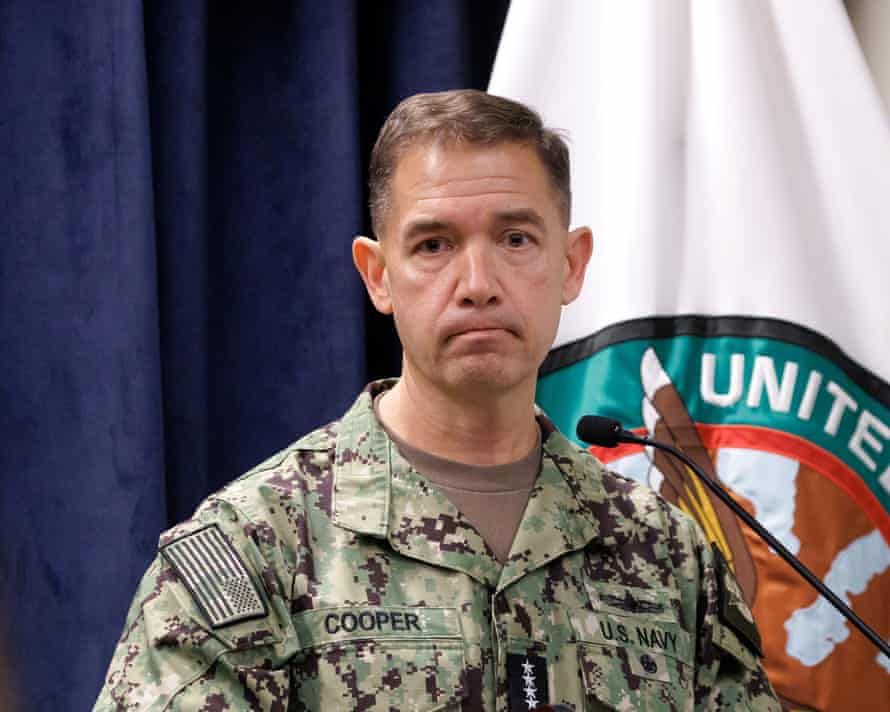
Admiral Brad Cooper, the top US military commander in the Middle East, reportedly recommended stopping the bombing campaign around the strait. It had “reached the limit of its effectiveness.”
Shipping Disruptions Worsen
The US has reimposed a blockade on Iranian oil exports. It also ended a sanctions waiver, tightening pressure on Tehran’s main revenue source.
Iranian officials said six vessels with navigation systems switched off tried the southern route on Sunday. One was fired upon, others turned back.
The United Nations Office for Project Services said transits fell sharply. The average is now about five ships a day, down from nearly 130 before the war.
Regional Diplomacy Backed By Major Powers
The Oman-Iran talks have backing from China, Qatar, and Pakistan. All three have an interest in stable energy flows through the Gulf.
Baqaei described the discussions as “useful and constructive” but stressed they were bilateral. “The goal is for Iran and Oman, as two coastal states, to develop mechanisms to ensure safe shipping,” he said.
He added the talks respect “sovereign rights” and “preserve Iran’s security and national interests.” No US role was acknowledged by Tehran.

Houthis And Wider Escalation Risk
Regional tensions remain high. Iran-backed Houthis have claimed missile attacks elsewhere, adding to fears of spillover.
US officials continue to urge commercial shipping to test Iranian restrictions. That strategy risks further confrontation in the narrow waterway.
Analysts say the next 48 hours are critical. If Oman can bridge the gap on fees, a framework could be announced that avoids renewed strikes.
What Comes Next
Trump’s deadline is vague but urgent. “Either it goes fast or not at all,” he said, signaling little patience for prolonged diplomacy.
Iran maintains it will not negotiate under pressure. It wants recognition of its role in managing Hormuz and compensation for environmental damage.
For now, the US pause holds. Military planners are reportedly reviewing options should talks collapse, with a focus on protecting shipping lanes.
The Stakes For Global Trade
The Strait of Hormuz carries about 20% of the world’s oil. Even a brief closure sends shockwaves through markets and inflation.
Insurance rates for tankers have spiked. Some shippers are rerouting around Africa, adding weeks and millions in costs to voyages.
Read also: Seattle food festival shooting leaves 3 dead, 4 wounded at bite of Seattle
A deal modeled on Malacca could offer a face-saving exit. It would give Iran revenue, Oman a leadership role, and the US a reason to stand down.
The question is whether “strong military action” or a voluntary fund wins out. Trump says the clock is ticking. Tehran says it is not talking directly at all.
About The Author


