

A drone-maker backed by Donald Trump’s two oldest sons is actively pitching defensive drone interceptors to Gulf states under Iranian attacks, with US military protection guiding procurement decisions in the region. The sales effort coincides with ongoing Middle East tensions, and analysts warn of potential ethical concerns.
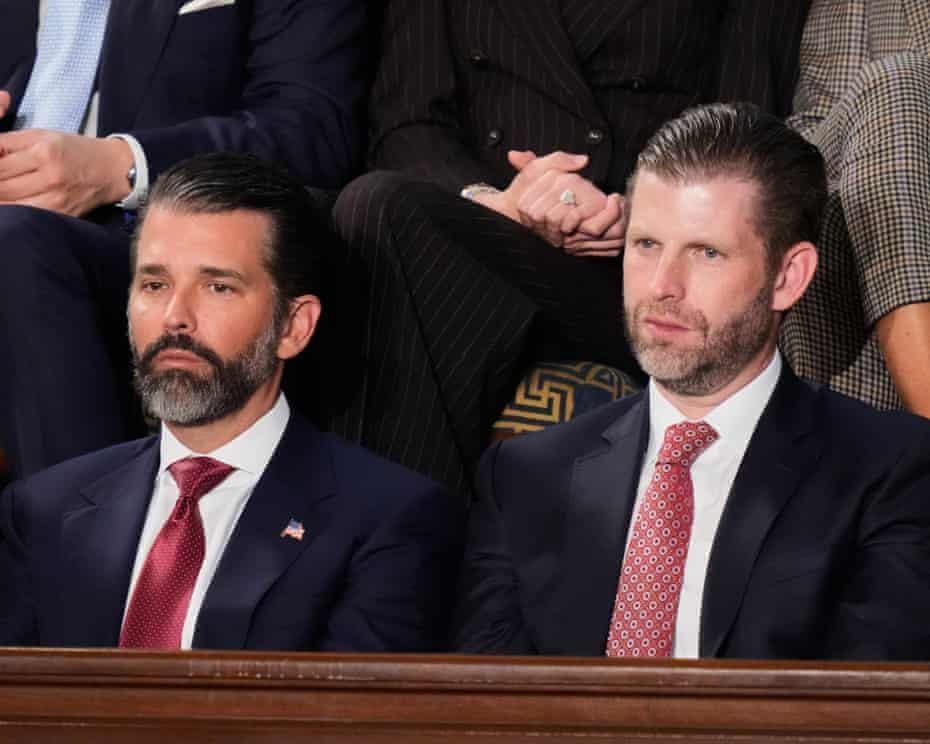
Powerus, a Florida-based company, formally brought Eric Trump and Donald Trump Jr. on board last month, giving them equity stakes in the business that aims to profit from nations seeking protection from Iran. “These countries are under enormous pressure to buy from the sons of the president,” said Richard Painter, former White House ethics lawyer.
The company has conducted live demonstrations of its interceptors across multiple Gulf countries, showcasing technology designed to counter Iranian drone and missile threats. Brett Velicovich, Powerus co-founder, told the Associated Press, “Our team is doing many demos across the Middle East right now for our interceptors. We have very incredible tech that can save lives.”
Countries targeted for sales include Gulf states like the United Arab Emirates, Saudi Arabia, and others relying heavily on US military backing. The demonstrations aim to show that Powerus interceptors can neutralize Iranian drones before they hit critical infrastructure, including energy installations and ports.
Velicovich emphasized that the company’s mission goes beyond profits, framing it as part of a broader arms race with Chinese and Russian drone manufacturers. “We are at war, my friend; we are in an arms race, and America will lose if we don’t build fast,” he said. “We should be thankful anyone is trying to invest in American manufacturing now.”
The Trump brothers’ involvement marks a major expansion of their business interests, which already cover hotels, golf resorts, and tech ventures. The sons have been listed as investors or advisers in multiple firms, including those producing rocket parts, rare earth magnets, and prediction markets, leveraging high-profile connections.
Powerus stands to gain from a $1.1 billion Pentagon allocation aimed at expanding US drone manufacturing, a fund created after restrictions on Chinese drone imports exposed gaps in the domestic supply chain. The company positions itself as a critical domestic alternative to foreign drone technologies.
Ethics concerns persist, given the timing of the sales during an active conflict initiated by their father. Richard Painter warned, “This is going to be the first family of a president to make a lot of money off war – a war he didn’t get the consent of Congress for.”
The Trump Organization did not respond to requests for comment, but past statements have dismissed conflicts of interest. Eric Trump stated, “I am incredibly proud to invest in companies I believe in. Drones are clearly the wave of the future,” highlighting both innovation and financial opportunity.
Analysts note that the timing of the sales, aligned with ongoing US-Israel operations against Iran, creates a delicate situation for Gulf allies dependent on US military support. The drone demonstrations are framed as defensive measures but raise questions about commercialization during wartime.
The Pentagon has said the fund aims to strengthen US drone capabilities for national security and allied protection. Powerus’ sales pitch emphasizes the ability to protect critical maritime routes, energy infrastructure, and urban centers from Iranian drones, fitting into broader Gulf state defense strategies.
US lawmakers have previously legislated limits on presidential authority to leverage conflicts for personal gain, but enforcement during executive-led military operations remains challenging. The Trump sons’ venture underscores the blurred lines between family business interests and geopolitical crises.
Brett Velicovich highlighted the urgency of domestic production. “We should be thankful anyone is trying to invest in American manufacturing now. That idea transcends politics,” he said, framing the effort as patriotic while acknowledging commercial incentives.
The drone deal highlights growing Gulf reliance on US technology amid rising Iranian attacks on shipping lanes and critical infrastructure. Regional leaders are seeking rapid deployment of counter-drone solutions, and Powerus’ involvement positions it as a key player in Middle East defense markets.
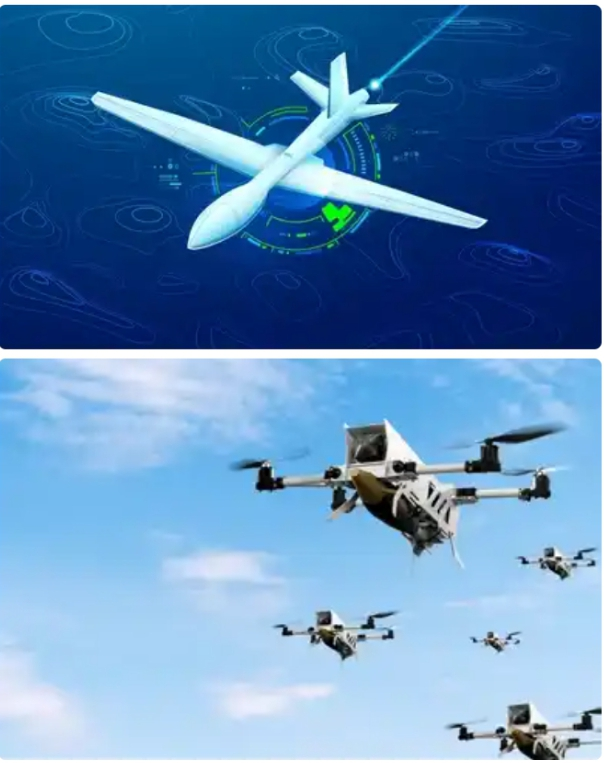
Observers note that Powerus’ demonstrations and pitching strategy may influence Gulf state procurement decisions, potentially accelerating adoption of US-made interceptors while sidelining competitors from China or Russia. Equity stakes for the Trump brothers tie business success directly to regional conflict dynamics.
Ethics debates continue, with legal experts stressing transparency and congressional oversight for deals benefiting families of sitting presidents. Critics argue that timing these drone sales during active US-led operations risks reputational and diplomatic consequences for both the US and Gulf allies.
As drone technology becomes central to Middle East security strategies, companies like Powerus are gaining visibility and influence. Gulf states are reportedly considering multiple bids, but the Trump-backed firm’s high-profile connections give it a competitive edge in ongoing defense contracts.
The Trump sons’ involvement also raises questions about the role of private enterprise in warzones. Powerus frames its technology as life-saving, but critics argue that wartime commercial ventures tied to political figures can blur ethical boundaries.
US military officials have stressed the need for reliable domestic suppliers to counter threats from Iranian and Russian drone forces. Powerus’ sales effort aligns with this national interest but remains controversial due to familial ties and potential profit from ongoing conflict.
Velicovich emphasized that the company’s priority is both national security and competitiveness. “We are in an arms race,” he said. “America will lose if we don’t build fast. Our interceptors can save lives while strengthening US strategic capabilities in the Gulf.”
The Trump sons’ drone venture demonstrates a convergence of private enterprise, family interests, and geopolitics, raising concerns among ethics watchdogs and international observers. Gulf allies continue to evaluate defensive options against Iranian threats amid ongoing war dynamics.
The Gulf states targeted for sales rely heavily on US military support for protection against Iranian aggression. Powerus’ drone interceptors are marketed as critical tools for safeguarding strategic infrastructure, energy assets, and shipping lanes in a high-risk region.
Read also: Trump uranium stance questioned as Iran war rationale faces scrutiny
With a $1.1 billion Pentagon fund available, Powerus aims to capitalize on the need for domestic drone production. The Trump brothers’ equity stakes tie financial outcomes directly to regional security dynamics, intertwining commercial success with the unfolding conflict.
Observers warn that the intertwining of family business and US-led military operations could complicate diplomatic relations with allies. Ethical scrutiny and congressional oversight will likely continue as Powerus expands in the Gulf defense market.
About The Author
