The Trump Nobel peace prize snub has triggered a fierce White House reaction, with aides denouncing the Norwegian Nobel Committee and accusing it of prioritising politics over peace.
In Washington, the Trump Nobel peace prize snub was described as “an insult to global diplomacy,” as officials claimed the committee undermined genuine peace efforts, including Trump’s recent Gaza peace deal.
Steven Cheung, the president’s communications director, blasted the decision as proof of “politics over peace.” He said Trump “has the heart of a humanitarian” despite this Nobel peace prize snub.
The Trump Nobel peace prize snub came after Venezuelan opposition leader María Corina Machado won the prestigious award, a move analysts say inflamed Washington’s frustrations and prompted an immediate White House reaction.
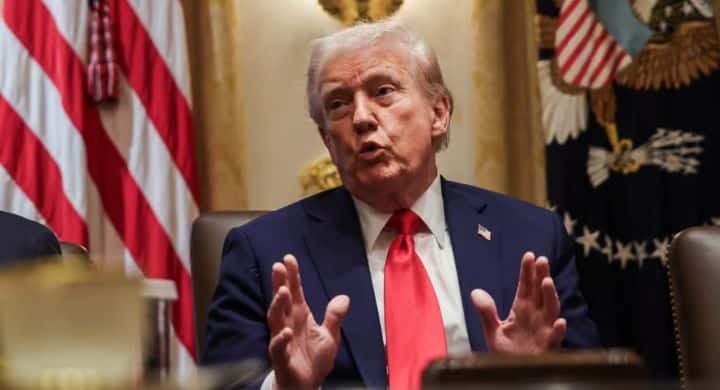
Lara Trump, speaking on Fox News, described the snub as “proof the establishment hates him.” She said, “In our hearts, he will always win the Nobel peace prize.”
Trump aides argue the Norwegian Nobel Committee’s decision reflects bias against the administration’s foreign policy victories, especially the Gaza peace deal hailed by allies as a historic step towards Middle East stability.
The White House reaction has been loud and unrelenting. Trump loyalists insist his diplomacy, which produced ceasefire frameworks and economic accords, has achieved tangible peace outcomes ignored by international elites.
“The Nobel Committee is politicised,” a senior aide said, adding that the Trump Nobel peace prize snub “reveals how Western institutions fear populist success more than they value peace itself.”
Trump’s envoy Richard Grenell declared, “The Nobel Prize died years ago.” His words reflected growing fury within the administration after the Norwegian Nobel Committee bypassed Trump’s Gaza peace deal achievements.
Political allies in the U.S. and abroad said the Trump Nobel peace prize snub “reeks of hypocrisy,” noting that Trump personally lobbied Norwegian officials in anticipation of recognition for his Middle East diplomacy.
In the aftermath of the Trump Nobel peace prize snub, diplomatic sources revealed Norway quietly prepared for potential U.S. backlash, wary of trade or defence repercussions from a displeased White House.
Trump aides reportedly viewed the award to Machado as deliberate provocation. “They rewarded rhetoric over results,” one insider said, calling the Norwegian Nobel Committee’s message “a betrayal of global peace advocates.”
The White House reaction, infused with personal grievance and nationalist undertones, marks a deepening divide between Trump’s worldview and the European establishment behind the Norwegian Nobel Committee.
“Trump will continue making peace deals, ending wars, and saving lives,” Cheung vowed, promising that the Trump Nobel peace prize snub “won’t deter America’s mission to achieve real, measurable peace.”
The Gaza peace deal, a centrepiece of Trump’s foreign policy narrative, was completed just before the Nobel announcement, with many analysts suggesting it was timed to influence the committee’s decision.
Critics of the Trump Nobel peace prize snub argue that global recognition should reflect enduring progress, not political showmanship. Yet, Trump’s camp insists their Gaza peace deal deserves historic validation.
Christopher Sabatini of Chatham House said, “Trump lobbied shamelessly for the prize,” adding that the Norwegian Nobel Committee’s decision might fuel his sense of grievance and intensify his campaign rhetoric.
Sabatini warned that the Trump Nobel peace prize snub could embolden autocrats worldwide. “It tells leaders that image outweighs substance. That’s a dangerous precedent,” he added.
Meanwhile, the White House reaction signalled strategic recalibration. Officials hinted that Washington might reassess its diplomatic stance towards Norway, viewing the committee’s decision as politically motivated interference.
International observers interpreted the Trump Nobel peace prize snub as emblematic of the growing clash between populist leaders and liberal institutions like the Norwegian Nobel Committee.
“Institutions like this are supposed to defend fairness,” said one European diplomat, “but they’ve become ideological referees.” The Trump Nobel peace prize snub, he said, “underscores deep Western division.”
Trump’s allies say the decision undercuts his reputation as a dealmaker who “moves mountains.” In their narrative, the Gaza peace deal demonstrates “practical results the Nobel elite refused to acknowledge.”
Within hours of the announcement, pro-Trump commentators amplified the White House reaction online, accusing the Norwegian Nobel Committee of “rewarding anti-Americanism while penalising success.”
Russian President Vladimir Putin added weight to the controversy. “He’s doing a lot to resolve complex crises,” he said, subtly backing Trump amid the ongoing dispute over the Nobel peace prize snub.
Putin criticised the Nobel tradition, calling it “damaged by politics.” He said, “People win it after months of work, while others who risk nothing are celebrated.”
For Trump’s critics, however, the Trump Nobel peace prize snub was justified. They argue his Gaza peace deal, while ambitious, remains fragile, with sporadic violence and unverified compliance reports from both sides.
Human rights groups accused Trump of using the Gaza peace deal to advance his campaign image. “Peace can’t be a trophy,” one activist said. “It must be genuine and lasting.”
Nevertheless, Trump supporters claim that without his intervention, Gaza would have faced “a humanitarian catastrophe.” They see the Trump Nobel peace prize snub as proof of institutional hostility toward populist leadership.
Observers say the White House reaction serves dual purposes: deflecting international criticism and rallying Trump’s base by portraying him as a victim of global elitism.
“Every snub strengthens him politically,” said a campaign adviser. “The Trump Nobel peace prize snub gives us the narrative that the establishment fears his peace-making strength.”
The Norwegian Nobel Committee defended its choice, citing the “defence of freedom and democracy” embodied by the María Corina Machado award, and implying concern over authoritarian tendencies elsewhere.
That statement infuriated U.S. officials. “To lecture us about democracy is absurd,” one diplomat said, adding that the Trump Nobel peace prize snub “reveals ideological contempt for our sovereignty.”
The María Corina Machado award was hailed in Europe and Latin America as recognition of resistance to authoritarianism. Yet in Washington, it inflamed perceptions of Nordic bias and moral posturing.
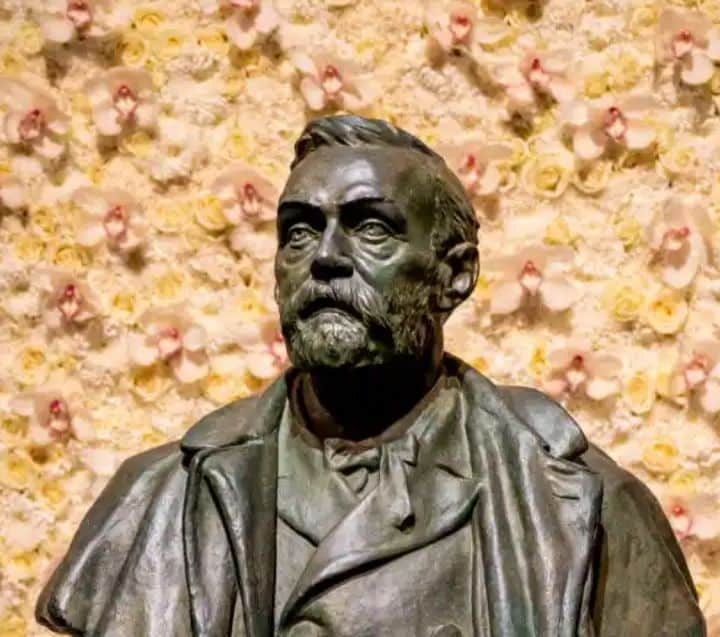
Political analysts said the Trump Nobel peace prize snub demonstrates how symbolism dominates diplomacy. “Global institutions no longer reward peace—they reward alignment with Western narratives,” one senior observer argued.
Inside Trump’s circle, the reaction remains defiant. “You can’t erase accomplishments with a committee vote,” Lara Trump said. “History will remember who actually delivered peace, not who handed out prizes.”
Supporters of the María Corina Machado award argue otherwise. “Courage against oppression is peace-building,” said a Caracas-based journalist. “This award reminds the world of Venezuela’s democratic struggle.”
Still, the Trump Nobel peace prize snub adds another layer to Washington’s strained ties with Europe. Diplomats fear retaliatory moves affecting security cooperation and humanitarian funding channels.
“The White House reaction is not just emotion—it’s strategic anger,” said one senior aide. “This was about respect, and that respect was denied.”
As global reactions unfold, the Trump Nobel peace prize snub has become more than a matter of prestige—it’s a test of how politics and peace now collide on the world stage.
The hard reality remains: the Nobel’s symbolic power still provokes, divides, and defines political legitimacy in an age where leaders weaponize recognition itself as diplomacy’s new battlefield.
About The Author