

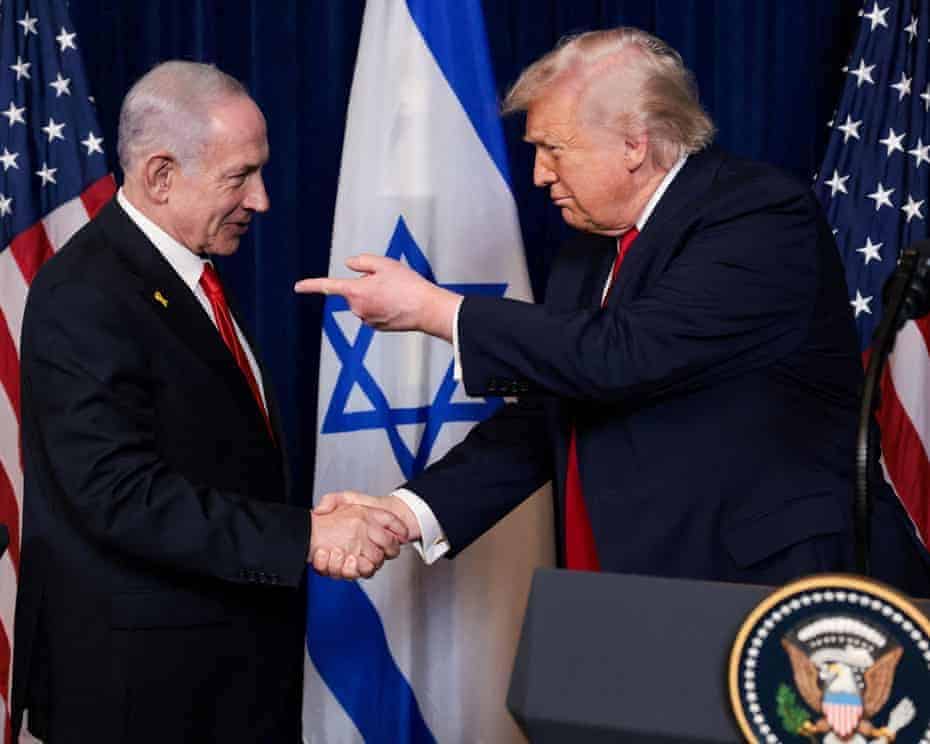
Trump Netanyahu Iran war is facing growing scrutiny as questions emerge over whether early promises of a swift and decisive victory against Iran were realistic from the outset.
The conflict gained momentum after a series of high-level meetings where Israel’s leadership pushed for expanded military action, presenting the situation as an opportunity to decisively weaken Iran’s regional influence.
During early discussions, Donald Trump appeared to echo strong rhetoric about confronting Iran, reinforcing the belief that military force could quickly neutralize emerging threats.
Benjamin Netanyahu played a central role in shaping the strategy, reportedly presenting the campaign as a short operation capable of achieving significant geopolitical gains.
The situation was framed as a decisive moment that could alter the balance of power in the Middle East, with expectations of rapid success influencing early planning.
However, as events unfolded, those expectations began to unravel, with resistance proving stronger and more sustained than initially projected by Israeli and US officials.
Military planners had reportedly anticipated a limited timeline, believing that key Iranian capabilities could be neutralized within weeks rather than months.
Instead, the confrontation has stretched on, exposing the complexities of confronting a deeply entrenched regional power with significant military and strategic depth.
Early optimism also relied on assumptions about internal instability within Iran, which some believed could lead to rapid political change.
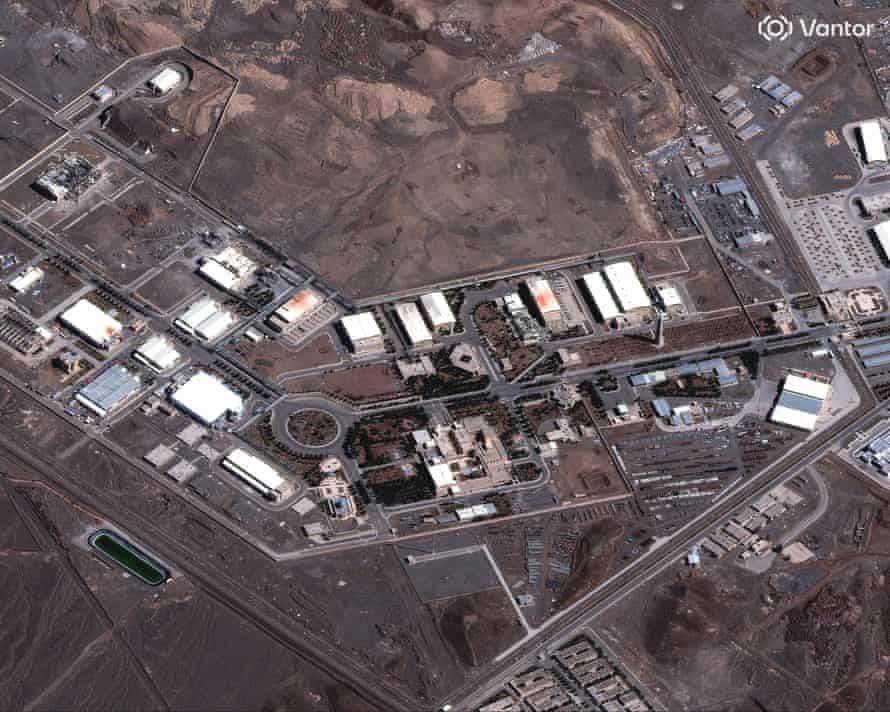
Despite these expectations, Iran’s leadership structure has remained intact, with developments seemingly reinforcing internal cohesion rather than triggering collapse.
The role of intelligence assessments has come under scrutiny, particularly regarding predictions about Iran’s capacity to sustain prolonged resistance.
As tensions intensified, it became increasingly clear that the conflict would have far-reaching consequences beyond immediate military objectives.
Economic fallout has been significant, particularly due to disruptions linked to the Strait of Hormuz, a vital route for global oil shipments.
The partial closure of this waterway has amplified global impact, affecting energy markets and raising concerns about long-term economic stability.
Critics argue that early planning underestimated broader implications, focusing too heavily on short-term military gains.
The situation has also raised questions about strategic decision-making within both Washington and Jerusalem, particularly regarding the assumptions that guided early actions.
Reports of internal disagreements suggest that not all officials shared the same level of confidence in a quick outcome.
Some policymakers are believed to have expressed concerns about the risks of escalation and the absence of a clear exit strategy.
The developments have also highlighted challenges of aligning political goals with military realities in a complex and volatile region.
Beyond the battlefield, diplomatic relationships are being reshaped, with several countries reassessing their positions in response to unfolding events.
In the Gulf region, the situation has created uncertainty about long-standing alliances and the future of regional cooperation frameworks.
It may also impact agreements such as the Abraham Accords, which were designed to foster normalization between Israel and several Arab states.
Global reactions have been mixed, with some governments expressing support while others call for restraint and renewed diplomatic efforts.
European leaders have questioned whether military action alone can achieve lasting results without a parallel diplomatic strategy addressing nuclear concerns.
Public opinion in key countries, including the United States, appears to be shifting as the situation evolves.
Polling trends suggest declining enthusiasm for prolonged conflict, particularly among younger voters and certain political groups.
This shift in sentiment could influence future policy decisions, especially as economic and human costs continue to rise.
The situation has also drawn attention to broader questions about military intervention as a tool for achieving political objectives.
Analysts argue it reflects a pattern of overestimating the effectiveness of force in resolving deeply rooted geopolitical tensions.
As developments continue, the gap between initial expectations and current realities has become increasingly apparent.
The ongoing confrontation underscores the difficulty of predicting outcomes in complex military engagements.
For Israel, there may be long-term implications for its security strategy and international standing.
Similarly, for the United States, the situation raises questions about the sustainability of its approach to conflicts in the Middle East.
It also highlights the importance of accurate intelligence and realistic planning in shaping military decisions.
Without these elements, events demonstrate how quickly initial confidence can give way to prolonged uncertainty.
The evolving situation suggests continued challenges to assumptions about power, strategy, and regional dynamics.
As the conflict enters a more protracted phase, it is increasingly defined by unpredictability and far-reaching consequences.
Ultimately, it serves as a reminder that modern conflicts rarely unfold according to initial expectations.
With no clear end in sight, developments continue to reshape the geopolitical landscape in ways that may only become fully apparent over time.
Will early strategic assumptions prove flawed, or can shifting dynamics still produce a path toward stability in an increasingly volatile region?
Read also: Trump confirms F-15 crew member rescue after Iran incident
About The Author
