

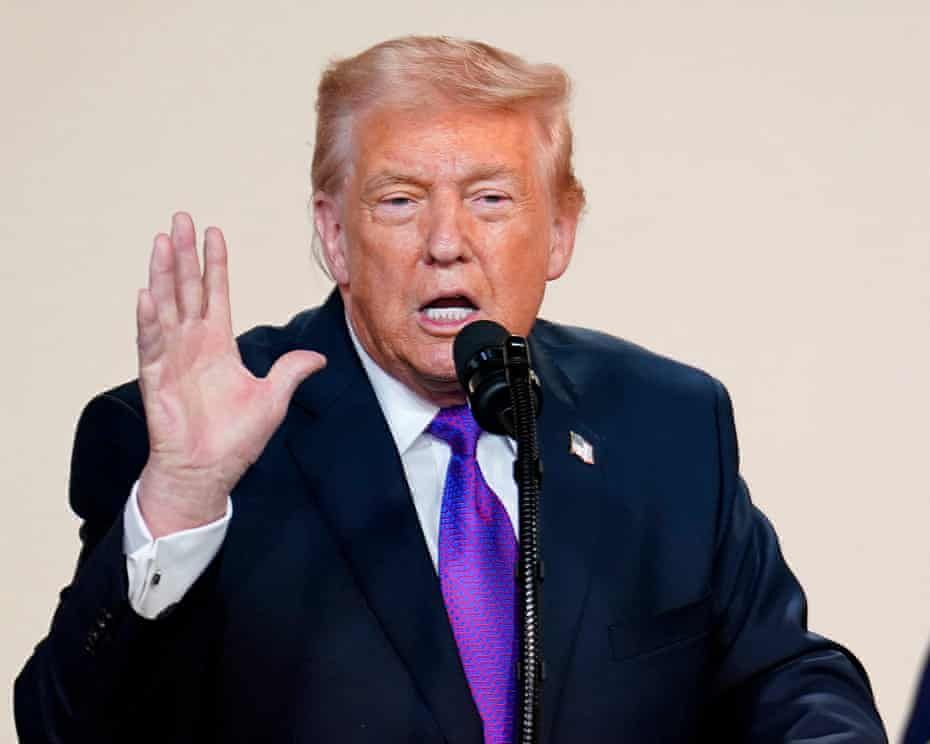
Iran ceasefire plan has been officially acknowledged by Tehran, with senior officials confirming receipt of the proposal while insisting the United States is not ready for meaningful peace negotiations.
Diplomatic discussions surrounding the Iran ceasefire plan have intensified in recent days, with multiple parties attempting to establish a temporary halt in hostilities that could eventually transition into a long-term agreement.
Reports indicate that the Iran ceasefire plan includes a proposed 45-day pause in fighting, designed as a confidence-building measure to allow further negotiations toward a permanent resolution of the escalating conflict.
Tehran has confirmed receiving the Iran ceasefire plan through intermediaries, particularly Pakistan, which has played a quiet but significant role in facilitating communication between the United States and Iran.
Despite acknowledging receipt, Iranian officials have expressed skepticism about the intentions behind the Iran ceasefire plan, suggesting that Washington’s approach lacks genuine commitment to achieving sustainable peace in the region.
One of the key sticking points in the Iran ceasefire plan is the status of the Strait of Hormuz, a critical global oil shipping route that Iran has effectively restricted amid escalating tensions.
Iranian authorities have firmly stated that reopening the Strait of Hormuz cannot be tied to a temporary ceasefire, arguing that such a move would undermine their strategic leverage without guaranteeing long-term security assurances.
The Iran ceasefire plan also faces challenges due to differing interpretations of what constitutes a “permanent ceasefire,” with Tehran insisting on binding guarantees rather than short-term diplomatic gestures.
Regional mediators involved in shaping the Iran ceasefire plan have reportedly attempted to bridge the gap between both sides, but deep mistrust continues to hinder meaningful progress in negotiations.
The United States, meanwhile, has maintained pressure on Iran, signaling that failure to comply with certain demands could result in significant military consequences, further complicating the Iran ceasefire plan.
Recent statements from Washington have included warnings of potential strikes on Iranian infrastructure, raising concerns that the Iran ceasefire plan may collapse before it gains real traction.
Iranian officials have condemned such threats, describing them as violations of international law and accusing the United States of undermining the spirit of the Iran ceasefire plan.
The rhetoric surrounding the Iran ceasefire plan has become increasingly confrontational, with both sides exchanging accusations that highlight the fragile nature of ongoing diplomatic efforts.
Iran’s leadership has emphasized that it will not be rushed into accepting the Iran ceasefire plan, rejecting externally imposed deadlines as unacceptable and counterproductive to genuine negotiations.
Economic pressures are also playing a significant role in shaping the Iran ceasefire plan, as disruptions in oil supply through the Strait of Hormuz continue to impact global markets.
The partial closure of this vital waterway has already sent shockwaves through the international economy, increasing urgency among global stakeholders to support the Iran ceasefire plan.
However, Tehran appears determined to use its strategic position as leverage, signaling that any agreement under the Iran ceasefire plan must address broader geopolitical concerns beyond immediate hostilities.
Military developments have further complicated the Iran ceasefire plan, with recent strikes resulting in the death of a senior intelligence figure within Iran’s Revolutionary Guard structure.
This escalation has heightened tensions and raised doubts about whether the Iran ceasefire plan can withstand the realities of ongoing conflict and retaliatory actions on both sides.
Iran’s military leadership has warned of severe consequences if civilian infrastructure is targeted, adding another layer of risk to the already fragile ceasefire plan.
The situation underscores the complexity of negotiating peace in a conflict where military, economic, and political factors are deeply intertwined within the Iran ceasefire plan framework.
Observers note that trust remains the most significant barrier to progress, as decades of hostility continue to shape perceptions and limit the effectiveness of the Iran ceasefire plan.
The involvement of multiple international actors in the ceasefire plan reflects both the global stakes and the difficulty of achieving consensus among parties with competing interests.
While some analysts view the ceasefire plan as a step in the right direction, others caution that without genuine commitment, it may serve only as a temporary pause in a prolonged conflict.
The timeline proposed within the ceasefire plan has also drawn criticism, with questions about whether 45 days is sufficient to address deeply rooted issues between the two nations.
Iran’s insistence on long-term guarantees suggests that any successful ceasefire plan will require more than short-term compromises or symbolic gestures from either side.
Meanwhile, the United States faces its own challenges in advancing the ceasefire plan, including domestic political pressures and strategic considerations in the broader Middle East.
The interplay between diplomacy and military strategy continues to shape the trajectory of the ceasefire plan, making outcomes difficult to predict.
Global energy markets remain highly sensitive to developments related to the ceasefire plan, given the critical importance of uninterrupted oil flow through the region.
Any prolonged disruption could have far-reaching consequences, increasing the urgency for a workable ceasefire plan that stabilizes the situation.
Despite ongoing talks, there is little indication that a breakthrough in the ceasefire plan is imminent, as both sides remain entrenched in their positions.
Iran’s leadership has reiterated that national sovereignty and security cannot be compromised under the plan, signaling a firm negotiating stance.
At the same time, international mediators continue to push for dialogue, hoping to keep the Iran ceasefire plan alive amid growing tensions.
The evolving situation highlights the delicate balance between conflict and diplomacy that defines the plan negotiations.
Each new development, whether diplomatic or military, has the potential to either advance or derail the ceasefire plan.
As the world watches closely, the stakes surrounding the ceasefire plan extend far beyond the immediate region, affecting global stability and economic security.
The coming days are likely to be critical in determining whether the ceasefire plan can move from proposal to implementation.
Read also:Israeli strikes: intensifying attacks rock Tehran, Lebanon
Much will depend on the willingness of both sides to engage in meaningful compromise under the framework of the Iran ceasefire plan.
For now, uncertainty continues to overshadow the Iran ceasefire plan, leaving observers questioning whether peace is truly within reach.
Can the Iran ceasefire plan overcome deep-rooted mistrust and escalating threats to deliver lasting peace, or will it collapse under pressure, prolonging a conflict that already grips global attention?
About The Author
