United States President Donald Trump says a US-coordinated international stabilisation force will deploy in Gaza “very soon” under his post-war peace plan for the conflict-ravaged enclave.
Trump told reporters at the White House that an alliance of “very powerful countries” had agreed to join the mission to stabilise Gaza and support post-war reconstruction efforts.
“It’s going to be very soon, and Gaza is working out very well,” Trump said, describing the deployment as a turning point for peace and regional cooperation.
The announcement follows weeks of consultations with United Nations officials and regional partners seeking to end Gaza’s humanitarian collapse and establish a lasting framework for governance.
Trump’s 20-point Gaza peace plan envisions a two-year transitional period supervised by the stabilisation force, focusing on civilian protection, infrastructure rebuilding, and the disarmament of militant groups.
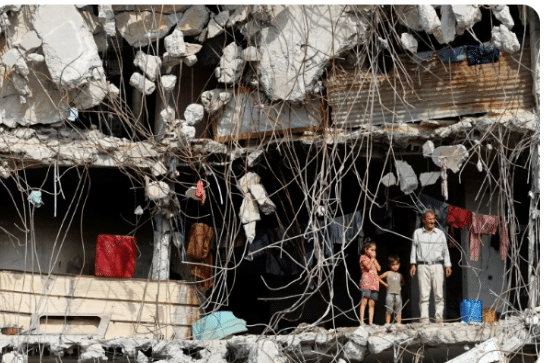
The plan gained momentum after a fragile ceasefire in October that ended weeks of fighting between Israel and Hamas but left Gaza’s infrastructure and institutions in ruins.
According to US officials, the United Nations Security Council will soon begin formal negotiations on authorising the mission and defining its composition, rules of engagement, and duration.
A senior American diplomat confirmed that the United States circulated a draft resolution to Council members and regional allies, outlining a 20,000-troop deployment authorised to “use all necessary measures.”
Countries briefed on the proposal include Egypt, Qatar, Saudi Arabia, the United Arab Emirates, and Turkiye, all expected to play critical roles in supporting Gaza’s post-war transition.
UN Secretary-General Antonio Guterres welcomed the initiative but cautioned that the stabilisation force “must have full international legitimacy” and prioritise the safety, dignity, and autonomy of Palestinian civilians.
“What Gaza needs is not another occupying army,” Guterres said, “but a credible international presence committed to rebuilding hope, protecting lives, and ensuring sustainable peace.”
A senior US government official explained that the operation will involve military and civilian experts from multiple continents, though no American combat troops will enter Gaza itself.
“This is not a US occupation,” the official clarified. “It’s a collective stabilisation mission designed to secure the peace and empower Palestinians to rebuild responsibly.”
Despite diplomatic optimism, uncertainty remains over Hamas’s response. The group has not yet confirmed willingness to disarm — a key tenet of Trump’s proposed Gaza peace framework.
Officials said the stabilisation force will be tasked with dismantling Hamas’s “offensive infrastructure,” preventing the smuggling of weapons, and training a new Palestinian police service.
Turkiye has been instrumental in promoting the plan, hosting meetings with foreign ministers from Qatar, Jordan, Saudi Arabia, Pakistan, and Indonesia in Istanbul earlier this week.
At the summit, Turkish President Recep Tayyip Erdogan urged international partners to expedite the deployment and condemned Israel’s continued bombardment and blockade as “collective punishment.”
Erdogan demanded that Israel “immediately stop ceasefire violations” and allow unrestricted humanitarian aid into Gaza, warning that continued resistance could derail the peace initiative entirely.
Israel, however, remains opposed to any Turkish armed presence. Prime Minister Benjamin Netanyahu and Foreign Minister Gideon Saar insist that Israel must maintain security control in Gaza.
“Israel will retain security responsibility, including a security perimeter, for the foreseeable future,” Netanyahu reiterated during a joint news conference with Trump in September.
This stance has created diplomatic tension, with analysts warning that Israel’s position could obstruct deployment of the stabilisation force and weaken the broader peace plan.
Middle East analyst Dr. Lina Khoury said, “Israel’s rejection of Turkish troops underscores deep mistrust that could fracture regional unity before the mission even begins.”
The US Central Command confirmed that while no American forces will enter Gaza, Washington will provide logistics, training, and intelligence to assist the multinational stabilisation force.
European governments, including France and Germany, have expressed cautious support, stressing that humanitarian access and civilian safety must be prioritised before any military operations commence.
Humanitarian groups report that Gaza’s crisis remains dire, with over 80 percent of residents displaced and food shortages worsening despite international pledges of emergency assistance.
Turkiye and Qatar have pledged to contribute reconstruction funds once the stabilisation mission begins, emphasising the need for quick rebuilding of hospitals, schools, and water facilities.
Meanwhile, critics in Washington accuse Trump of using the Gaza plan to bolster his foreign policy credentials and project leadership ahead of next year’s elections.
Analysts say Trump is seeking to prove that the United States can still lead major peace efforts despite global scepticism over its handling of Middle East conflicts.
“This is a test of Trump’s diplomatic reach,” said political strategist Andrew Michaels. “He wants tangible results before the campaign season gains full momentum.”
Despite criticism, Trump remains confident, saying “We’re witnessing unprecedented unity among nations that want peace, stability, and prosperity for the people of Gaza and the region.”
The United Nations will likely debate the resolution within days, though experts predict heated negotiations among Security Council members, especially China and Russia.
If approved, the international stabilisation force could begin deployment before year’s end, first focusing on humanitarian corridors and ceasefire enforcement before long-term governance assistance.
Observers warn that Gaza’s population remains sceptical. Many fear a foreign military presence could extend occupation rather than deliver freedom or meaningful self-governance.
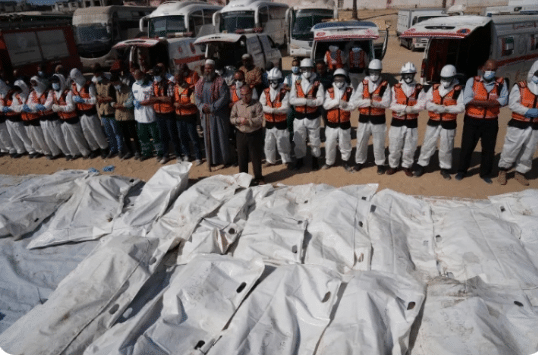
“We don’t need more soldiers; we need an end to bombs and hunger,” said Nidal al-Khatib, a displaced resident from Rafah sheltering in a ruined school.
For now, Gaza’s future remains uncertain. Whether Trump’s peace plan succeeds or falters will depend on cooperation among bitter rivals and the resilience of Palestinian civilians.