Trump calls on UK to send warships to keep Strait of Hormuz open as tensions escalate in the Gulf following attacks on commercial shipping linked to the ongoing conflict between the United States, Israel and Iran.
The US president urged Britain and other major maritime powers to deploy naval vessels to secure the strategic waterway, warning that the closure of the route threatens global energy markets and economic stability.
The Strait of Hormuz is one of the world’s most critical maritime chokepoints, connecting the Persian Gulf with the Gulf of Oman and the wider Indian Ocean. Roughly a fifth of the world’s oil supply passes through the narrow shipping lane, with an estimated 20 million barrels transported through the strait each day.
The recent escalation of hostilities in the region has led to repeated attacks on ships, forcing insurers to raise premiums and causing several commercial vessels to reroute or delay voyages.
Shipping disruptions began shortly after US and Israeli forces launched strikes against Iranian targets earlier this month. Since then, several ships transiting the strait have reportedly been attacked with drones, mines or missiles, creating a volatile security environment for commercial traffic.
The mounting threat has effectively forced many vessels to suspend operations in the area, sending oil prices higher and prompting urgent calls for an international naval response.
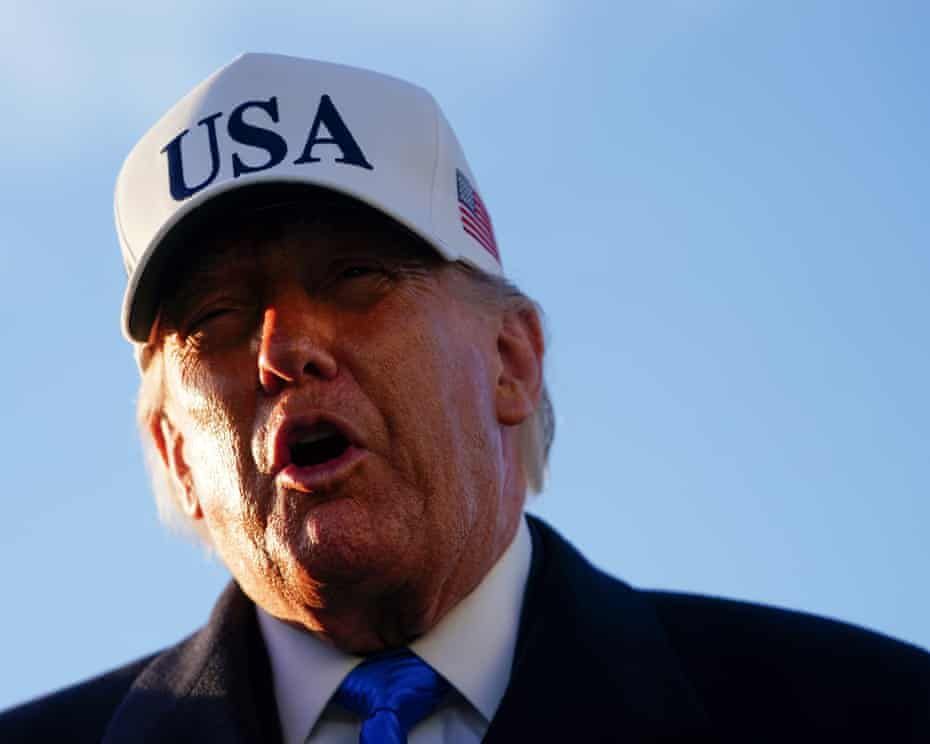
President Donald Trump used his Truth Social platform to appeal directly to countries that depend on the waterway for energy supplies and trade. His message emphasized that the United States was already engaged in operations aimed at neutralizing threats but argued that other affected nations should also contribute naval forces.
“Many Countries, especially those who are affected by Iran’s attempted closure of the Hormuz Strait, will be sending War Ships, in conjunction with the United States of America, to keep the Strait open and safe,” Trump wrote.
He claimed that Iranian military capabilities had been severely degraded by the recent attacks, but warned that smaller, asymmetric actions could still disrupt shipping in the narrow waterway.
“We have already destroyed 100% of Iran’s Military capability, but it’s easy for them to send a drone or two, drop a mine, or deliver a close range missile somewhere along, or in, this Waterway, no matter how badly defeated they are,” the president said.
Trump’s statement suggested that an international coalition might soon be deployed to the region to ensure safe passage for oil tankers and cargo vessels. The president specifically named several major economies that rely heavily on Middle Eastern energy supplies.
“Hopefully China, France, Japan, South Korea, the UK, and others, that are affected by this artificial constraint, will send Ships to the area so that the Hormuz Strait will no longer be a threat by a Nation that has been totally decapitated,” he wrote.
The president also warned that the United States would continue aggressive military action in the region to prevent further disruptions to global trade.
“In the meantime, the United States will be bombing the hell out of the shoreline, and continually shooting Iranian Boats and Ships out of the water. One way or the other, we will soon get the Hormuz Strait OPEN, SAFE, and FREE!”
Iran quickly rejected Trump’s claim that its military capacity had been eliminated, describing the statement as propaganda and accusing Washington of exaggerating battlefield outcomes. Iranian officials insisted that their armed forces remain operational and capable of defending the country’s territorial waters and strategic interests.
The confrontation comes amid a broader conflict that has rapidly escalated in recent weeks. Airstrikes and missile attacks between the opposing sides have drawn international concern about the possibility of a wider regional war.
The Strait of Hormuz has historically been one of the most sensitive flashpoints in Middle Eastern geopolitics because of its economic importance and its narrow geography, which makes shipping vulnerable to disruption.
Global markets reacted quickly to the escalating tensions. Oil prices surged as traders feared prolonged disruption to the shipping route. Energy analysts warned that even a temporary closure of the strait could have cascading effects on global supply chains, potentially driving up fuel prices and inflation worldwide.

The United Kingdom has so far stopped short of committing naval forces to the conflict, though officials acknowledged that discussions are ongoing with allies about maritime security in the region. A spokesperson for the Ministry of Defence said Britain was examining a range of options to protect shipping and ensure freedom of navigation.
Prime Minister Keir Starmer has previously defended his government’s cautious approach to the conflict, emphasizing that the UK must carefully weigh its national interests before joining military operations. Britain did not participate in the initial strikes against Iran, a decision that drew criticism from Trump.
Earlier this month, the US president publicly mocked Britain’s hesitation while suggesting that its involvement might come too late to influence the outcome of the conflict.
On social media, Trump wrote: “The United Kingdom, our once Great Ally, maybe the Greatest of them all, is finally giving serious thought to sending two aircraft carriers to the Middle East.”
He then added a dismissive remark directed at the British prime minister: “That’s OK, Prime Minister Starmer, we don’t need them any longer – But we will remember. We don’t need people that join Wars after we’ve already won!”
Starmer responded to those comments by reiterating that Britain would make decisions based on its own national interest rather than external pressure. Addressing members of parliament, he acknowledged that the US president disagreed with London’s decision not to participate in the initial military strikes.
“President Trump has expressed his disagreement with our decision not to get involved in the initial strikes,” Starmer told lawmakers. “But it is my duty to judge what is in Britain’s national interest.”
Read also: Entire families wiped out as Israel’s war on Lebanon intensifies and towns empty under relentless bombardment
Diplomats and security analysts warn that the dispute between Washington, Tehran and regional actors is entering an unpredictable phase. If attacks on shipping continue or intensify, there is a growing risk that additional countries could be drawn into the confrontation in order to safeguard energy supplies and maritime trade routes.
For now, the future of the Strait of Hormuz remains uncertain. The narrow passage has long been considered one of the most vulnerable points in the global energy system, and any sustained disruption there could have sweeping economic consequences.
Trump’s call for an international naval presence reflects growing concern that protecting the waterway may require a coordinated multinational effort. Whether allies respond to that appeal could determine how quickly normal shipping operations resume and whether the crisis evolves into a broader military standoff in the Gulf.
About The Author