The US Supreme Court has allowed President Trump to temporarily block $4bn in food aid to families in need, leaving millions uncertain about SNAP benefits.
Millions of Americans rely on the Supplemental Nutrition Assistance Program, commonly known as food stamps, to purchase groceries and sustain their households during economic uncertainty.
Justice Ketanji Brown Jackson issued an administrative stay on Friday, pausing a lower court ruling that had demanded the full release of food aid funding.
The decision affects approximately 42 million low-income Americans, who now face delays in receiving SNAP payments amid the nation’s record-long government shutdown.
A Rhode Island federal judge had previously ordered the USDA to release the full $4bn, criticizing the Trump administration for withholding funds for political reasons.
The Supreme Court stay will remain until two days after the 1st Circuit Court of Appeals in Boston rules on whether to block the lower court decision.
The SNAP program provides essential monthly benefits, including $298 for an individual and $546 for a two-person household, ensuring access to nutritious food for struggling families.
Earlier this week, Judge John McConnell, appointed by former President Obama, accused the administration of using SNAP funding as leverage amid ongoing political disputes.
The USDA had planned to distribute full SNAP payments, causing confusion among states and recipients when the Supreme Court allowed the partial funding pause.
Attorney General Pam Bondi praised the Supreme Court intervention, labeling McConnell’s ruling “judicial activism at its worst” for forcing the immediate release of full SNAP funds.
The administration had proposed providing $4.65bn in emergency funding, about half the amount needed for full benefits, citing concerns of economic disruption amid the shutdown.
SNAP benefits lapsed at the start of November for the first time in six decades, prompting families to turn to food pantries or cut back on essential purchases.
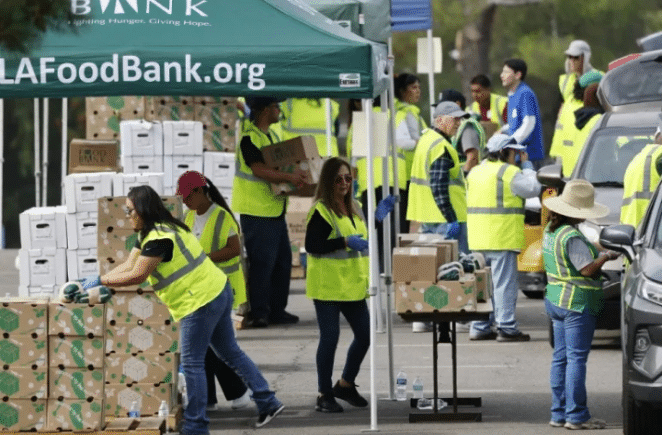
Food banks nationwide report rising demand as families who rely on federal assistance struggle to cope with delayed SNAP distributions.
Many recipients face tough choices between paying rent, buying food, or purchasing medications, highlighting the real human impact of the Supreme Court decision.
The upcoming hearing in the 1st Circuit Court of Appeals will determine whether the lower court ruling to release full funding will proceed or remain blocked.
The Trump administration argued that releasing full SNAP funds could create further shutdown chaos, claiming judicial overreach would destabilize the system and financial institutions.
USDA officials had already prepared to distribute full benefits, leading to confusion and administrative challenges at state-level offices tasked with SNAP delivery.
The Supreme Court’s pause underscores the political tension surrounding food aid and the federal government’s ability to respond to economic crises during shutdowns.
Experts warn that any prolonged delay in SNAP payments could increase hunger rates and financial stress, particularly among households with children or elderly dependents.
Advocates stress the importance of uninterrupted food aid, warning that millions of Americans could face nutritional deficiencies if benefits remain withheld.
The debate over SNAP funding reflects broader disputes over federal spending, executive authority, and the balance between judicial rulings and administrative discretion.
Political analysts suggest that the Trump administration’s actions may influence public perception ahead of future elections, as voters consider the human impact of policy decisions.
Historically, SNAP has been critical in alleviating poverty and food insecurity, especially during economic downturns, natural disasters, or extended government shutdowns.
The current partial funding scenario leaves families uncertain about grocery budgets, forcing difficult adjustments and creating anxiety for millions who depend on timely assistance.
Civil society groups have mobilized to support affected families, providing emergency food distributions and public advocacy to pressure authorities for full SNAP restoration.
Congressional leaders continue negotiations over the broader government shutdown, but no resolution has yet ensured the timely resumption of full food aid payments.

The Supreme Court decision, while temporary, sets a precedent for how executive authority may override lower court mandates on social welfare funding.
State governments face administrative hurdles, as they must reconcile conflicting guidance from federal courts and the USDA regarding food aid distribution.
Public reaction to the ruling has been polarized, with some praising judicial oversight while others criticize delays in essential services for vulnerable populations.
Community organizations are warning that continued SNAP funding delays could exacerbate inequality and worsen living conditions for the most at-risk Americans.
Food insecurity experts note that even short-term interruptions in SNAP benefits can have measurable effects on health, nutrition, and child development.
The USDA continues to monitor the situation closely, coordinating with states to ensure emergency measures are in place if full SNAP funding remains paused.
Legal analysts predict that the 1st Circuit Court of Appeals will face intense scrutiny in its decision, balancing judicial mandates with executive priorities.
Families affected by the delayed food aid are advised to register for local food bank support and community relief programs until SNAP payments resume.
The Supreme Court ruling highlights ongoing tensions between federal branches and the challenges of managing social welfare programs during political gridlock.
Economists warn that reduced access to SNAP funds could have secondary effects on local economies, as households spend less on groceries and retail.
Policy advocates are calling for legislative solutions to prevent future interruptions in food aid during government shutdowns or administrative disputes.
The Trump administration maintains that the partial funding pause is temporary and justified to maintain fiscal order and prevent overextension of federal resources.
Critics argue that the human cost of delayed SNAP payments outweighs theoretical fiscal risks, citing immediate needs for millions of low-income families.
With millions of Americans awaiting clarity, the outcome of the appeals court hearing will be closely watched by policymakers, advocacy groups, and the public.
This episode illustrates the fragility of food assistance programs when subject to political maneuvering, judicial intervention, and executive discretion.
The Supreme Court’s temporary stay allows more time for judicial review but leaves millions still dependent on charity and limited personal resources.
State agencies are preparing contingency plans to support SNAP recipients while awaiting a final resolution from the courts on federal food aid.
Community volunteers are stepping up to distribute emergency meals, recognizing that timely intervention can mitigate some of the hardships caused by the funding freeze.
The debate over SNAP funding intersects with broader discussions about poverty, governance, and the social safety net in the United States.
Analysts emphasize that while the court’s decision is procedural, the real-world consequences for families are immediate and tangible.
Families who rely on SNAP are adjusting to the uncertainty, with many implementing strict budgeting measures to stretch limited resources.
The USDA continues to communicate with stakeholders, emphasizing that updates will follow as legal decisions unfold, underscoring the importance of federal guidance.
Advocates stress the necessity of protecting food aid programs from political disruptions, highlighting SNAP as a vital tool against hunger.
As the appeals court prepares its ruling, families, officials, and community organizations brace for potential changes in the distribution of food aid.
The Supreme Court’s temporary stay exemplifies the complex interplay of politics, law, and social welfare in the United States.
For millions of low-income Americans, the resolution of SNAP funding delays is critical to sustaining basic nutrition and household stability.
The outcome of this case could influence future federal policies and how administrations manage social programs during times of political contention.
The Supreme Court’s decision reinforces the judiciary’s influential role in determining the allocation of essential resources for families in need.
Public and private initiatives may continue to provide stopgap measures, but comprehensive solutions depend on judicial rulings and administrative compliance.
The ongoing situation underscores the vulnerability of food assistance systems to legal and political challenges, highlighting the importance of continuity in social programs.
Families awaiting $4bn in food aid to families in need remain anxious, while states and community organizations adapt to provide temporary support.
The court’s stay may provide administrative clarity, but for millions, the pressing concern remains securing daily meals and meeting essential needs.
Food insecurity remains a pressing issue in the United States, with SNAP serving as a critical lifeline for low-income households.
Legal observers note that this case may establish precedents on executive power over social welfare funding, with implications for future administrations.
Until the appeals court ruling, the fate of the $4bn in food aid to families in need remains uncertain, with practical consequences immediate.
Community organizations and state agencies continue to collaborate, offering supplemental assistance to families affected by the delay in federal SNAP distributions.
The Supreme Court’s temporary measure highlights tensions between judicial authority and executive discretion in administering nationwide social welfare programs.
While procedural in nature, the decision’s impact on daily life for millions underscores the importance of timely access to food aid.
The Trump administration maintains that fiscal prudence and operational efficiency justify partial funding, even amid widespread concern for low-income families.
Advocates stress that ensuring continuous food aid is vital to preventing hunger, malnutrition, and socioeconomic hardship across affected communities.
As legal proceedings continue, families hope for a resolution that restores full SNAP benefits and provides stability during the ongoing government shutdown.
The interplay between courts, executive authority, and social welfare funding is increasingly visible as millions of Americans await access to essential food support.
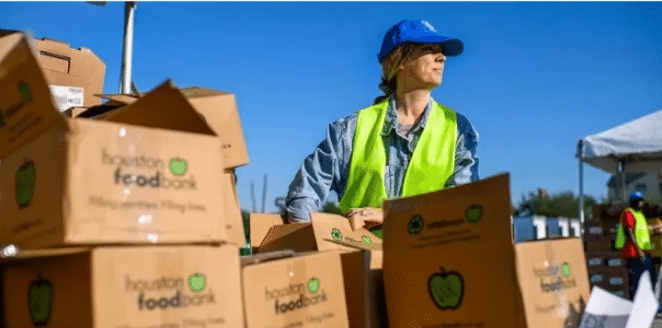
Emergency food programs remain essential as SNAP delays persist, illustrating the need for robust community and federal coordination to alleviate hunger.
Ultimately, the resolution of this case will determine not only immediate benefits but also future precedent for executive and judicial control over food assistance.
The Supreme Court’s temporary stay on the release of $4bn in food aid to families in need has left the nation watching closely.
About The Author