

The Trump ally fund survived a dramatic challenge in the US Senate on Thursday after Republicans narrowly defeated a Democratic attempt to permanently block a controversial $1.8 billion proposal that critics say could benefit Donald Trump’s political allies and associates.
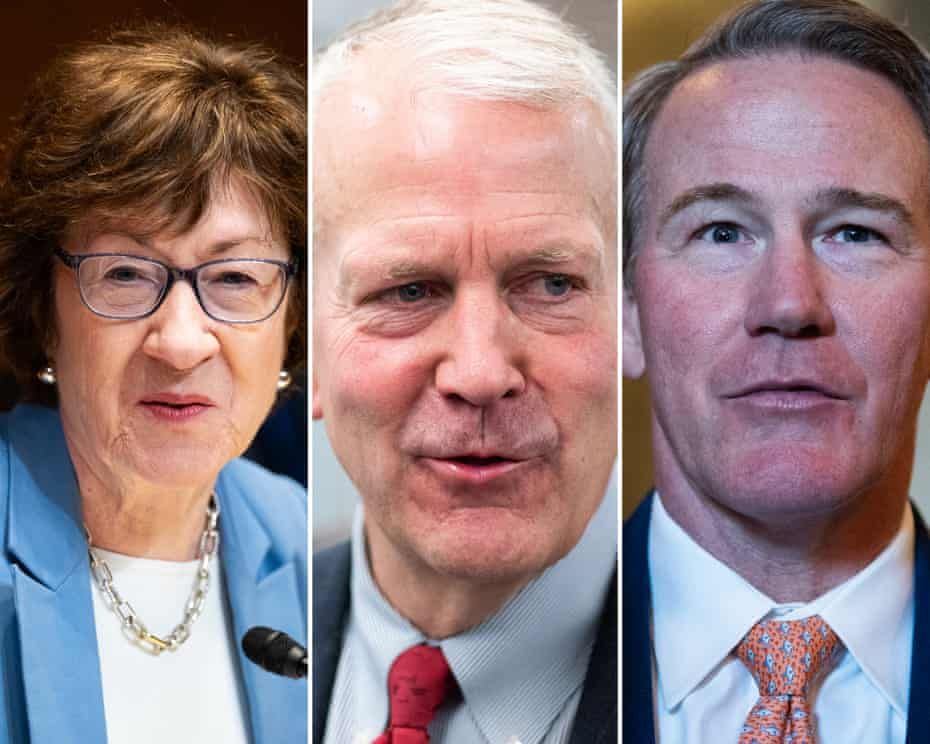
The closely watched vote exposed growing fractures within the Republican Party, with three GOP senators breaking ranks to support Democrats in a rare display of bipartisan opposition. Although the amendment failed by a single vote, the debate revealed deep unease among lawmakers over a proposal that has become one of the most contentious political issues in Washington.
At the center of the controversy is the administration’s proposed “anti-weaponization” fund, which critics have labeled a potential political slush fund. Supporters argue it is intended to compensate individuals who were unfairly targeted by government investigations, while opponents fear it could be used to reward allies of the president and individuals connected to the January 6 Capitol riot.
The vote comes at a politically sensitive moment as Republicans prepare for crucial midterm elections while Democrats seek to portray the controversy as evidence of government favoritism and abuse of power.

Senate Republicans Narrowly Defeat Democratic Amendment
The battle unfolded during Senate consideration of a broader Republican-backed bill designed to provide long-term funding for Immigration and Customs Enforcement (ICE) and Customs and Border Protection (CBP).
Senate Minority Leader Chuck Schumer introduced an amendment that would have permanently prohibited the administration from creating or spending money through the proposed fund.
Following more than three hours of intense negotiations and discussions on the Senate floor, lawmakers voted 50-49 against the amendment.
While most Republicans sided with the administration, three GOP senators broke ranks and joined Democrats.
The narrow margin immediately highlighted growing concerns within Republican ranks about the political risks surrounding the proposal.
Political observers noted that the three Republican senators who voted with Democrats are all considered vulnerable ahead of November’s midterm elections, suggesting the controversy may be resonating beyond Washington.
Why the Trump Ally Fund Has Become So Controversial
The proposed fund first sparked controversy when reports suggested it could provide financial settlements to individuals who claim they were targeted by what Trump and his allies describe as the “weaponization” of federal institutions.
Critics argue that the fund could effectively allow taxpayer money to be distributed to political allies.
The proposal has generated criticism from Democrats and discomfort among some Republicans, particularly those facing competitive reelection races.
The controversy intensified earlier this week when acting Attorney General Todd Blanche informed lawmakers that the administration would not move forward with the fund.
However, many Democrats remained unconvinced.
Schumer argued that verbal assurances were insufficient and that Congress should legally prevent the money from ever being distributed.
Chuck Schumer Launches Fierce Attack on Proposal
During Senate debate, Schumer delivered some of the strongest criticism yet against the administration’s handling of the issue.
“Republicans are trusting the word of Todd Blanche, who built a career on lying, the administration will just drop the slush fund.”
The Democratic leader questioned whether lawmakers could rely on promises from administration officials given Trump’s public support for the proposal.
Schumer reminded senators that the president had recently expressed enthusiasm for the fund and described it as important.
He then issued a sharper warning.
“Do any of us believe that Donald Trump, who has lied to us day in and day out, will be able to resist getting his sticky fingers in the slush fund when it would benefit himself and his family?”
The comments underscored Democratic efforts to frame the proposal as a potential ethics and accountability issue rather than simply a budget dispute.
Republican Resistance Continues to Grow
Although Schumer’s amendment failed, opposition within Republican ranks did not disappear.
Shortly afterward, Republican Senator Thom Tillis introduced his own proposal aimed at preventing money from being distributed through the anti-weaponization fund.
Instead, Tillis suggested redirecting the money toward Justice Department fraud investigations.
Explaining his position, Tillis told colleagues:
“This bill is unpopular. This administration has said they’re not moving forward with it. This is an opportunity for us to put it to bed and to also fund the fraud division, which I think is very important.”
His comments were significant because they showed concerns about the fund were not limited to Democrats.
Some Republicans appear increasingly worried about the political consequences of defending a proposal that has generated widespread public scrutiny.
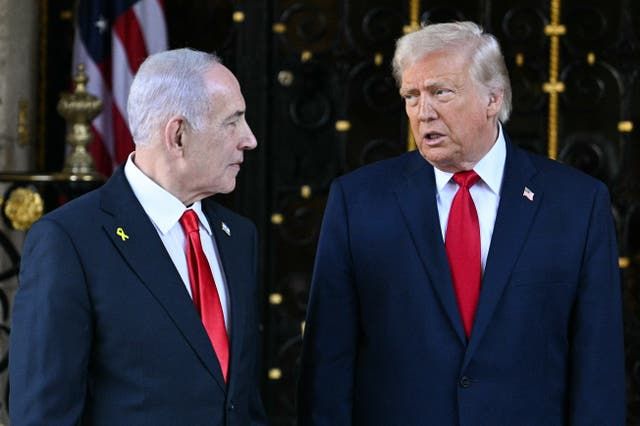
However, Tillis’s amendment also failed, receiving support from only a small group of Republicans and three Democrats.
Democrats Reject Alternative Plan
Democrats argued that Tillis’s proposal failed to address the underlying problem.
Rather than eliminating concerns over executive control of the money, they said it simply redirected authority elsewhere within the administration.
Oregon Senator Jeff Merkley was among the most outspoken critics.
“Taking one slush fund and eliminating it and creating a new slush fund still under the control of the attorney general is not the way to go.”
Merkley insisted lawmakers should eliminate the funding mechanism entirely.
“The way to go is to get rid of these slush funds altogether.”
His remarks reflected broader Democratic concerns about creating large pools of money that can be distributed with limited congressional oversight.
Midterm Politics Loom Large
The debate over the Trump ally fund is unfolding against the backdrop of an increasingly competitive political environment.
Several Republican senators face difficult reelection battles, and Democrats are hoping the controversy will become a potent campaign issue.
The fact that three Republican senators joined Democrats during the vote illustrates the political sensitivity surrounding the proposal.
Recent polling has shown signs of vulnerability for some GOP incumbents, increasing pressure on lawmakers to distance themselves from policies that could be perceived as benefiting political insiders.
For Democrats, the issue provides an opportunity to challenge Republican claims about fiscal responsibility and government accountability.
For Republicans, the challenge is balancing loyalty to the president with concerns about voter perception in key battleground states.
Immigration Funding Battle Adds Further Complexity
The controversy is also intertwined with a broader fight over immigration funding.
The Senate bill at the center of the debate would allocate approximately $70 billion for ICE and CBP through 2029.
Republicans are seeking to advance the legislation through budget reconciliation, allowing them to bypass a Democratic filibuster.
The funding battle follows a prolonged standoff that earlier this year contributed to a partial shutdown of the Department of Homeland Security lasting more than two months.
Read also: Trump Iran war powers resolution sparks Republican rift as Trump blasts ‘grandstanders’, questions California vote count
As a result, lawmakers are facing pressure not only to resolve the dispute over the anti-weaponization fund but also to secure long-term funding for agencies central to Trump’s immigration agenda.
What Happens Next?
Although Democrats failed to block the Trump ally fund through Thursday’s amendment, the issue is far from settled.
The narrow vote demonstrated that concerns about the proposal extend beyond partisan lines and have begun to create visible cracks within Republican ranks.
The administration’s promise not to move forward with the fund may ease immediate tensions, but many lawmakers remain skeptical and are likely to continue pressing for legislative safeguards.
With the midterm elections approaching and congressional scrutiny intensifying, the controversy surrounding the Trump ally fund could remain a major political flashpoint in Washington for months to come.

Thursday’s vote may have preserved the proposal for now, but it also revealed how difficult it will be for Republican leaders to maintain unity on one of the most divisive issues facing Congress in 2026.
About The Author


