New Tax Regime Faces Growing Scrutiny Amid Alleged Alterations to the New Tax Regime Framework
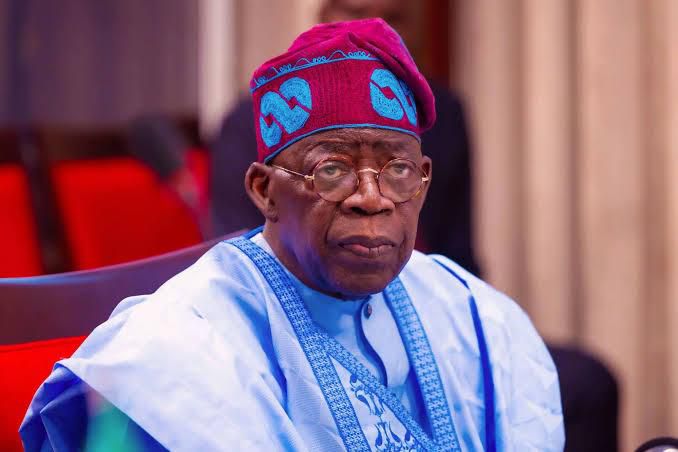
President Bola Tinubu has reaffirmed that Nigeria’s new tax regime will commence on January 1, 2026, despite mounting political pushback, legal concerns, and public agitation over claims of unauthorized alterations in the gazetted versions of the reform laws.
The President made the declaration in a statement released on Tuesday, stressing that the new tax regime remains central to his administration’s fiscal reset and structural reform agenda.
Tinubu, who personally endorsed the position, described the new tax regime as a generational shift intended to harmonise tax administration, improve compliance, and strengthen the Nigerian revenue system without imposing undue hardship on citizens.
He maintained that the new tax regime is designed to drive fairness, competitiveness, and institutional credibility across federal, state, and local government tax structures.
According to him, the new tax regime will not serve as a mechanism to raise taxes, but rather as a coordinated policy overhaul to improve efficiency, enhance accountability, and restore confidence in Nigeria’s fiscal governance framework.
The President urged stakeholders — including businesses, civil society, and sub-national governments — to support the implementation phase of the new tax regime, which he said has now entered its delivery stage.
However, the insistence on proceeding with the scheduled rollout of the new tax regime has triggered backlash from opposition leaders, lawmakers, civil society advocates, and professional bodies who insist that unresolved controversies surrounding alleged document alterations must first be addressed.
Political Opposition Questions Authenticity of the New Tax Regime Documents
Former Vice President Atiku Abubakar and the Peoples Democratic Party condemned the decision to enforce the new tax regime despite what they described as credible allegations of discrepancies in the gazetted legislation.
Atiku argued that implementing the new tax regime without completing the ongoing investigative process was insensitive and irresponsible.
The PDP, in a statement issued by its National Publicity Secretary, also accused the administration of prioritising revenue concerns over citizens’ welfare.
It maintained that the controversies around the new tax regime must be fully clarified to protect the integrity of Nigeria’s legislative process.
The criticism follows revelations raised in the House of Representatives, where lawmaker Abdulsamad Dasuki alerted the chamber to material inconsistencies between the versions of the new tax regime bills debated in Parliament and those eventually published.
Lawmakers warned that such alleged alterations — if proven — pose constitutional risks and undermine democratic safeguards guiding fiscal legislation and the new tax regime rollout.
In response, the National Assembly directed the Clerk to re-gazette the Acts and produce Certified True Copies of the original versions passed by both chambers, pending the conclusion of an investigation led by an ad hoc committee.
Stakeholders Call for Suspension of the New Tax Regime Pending Clarification
Several groups — including the Nigeria Labour Congress, Nigerian Bar Association, and key opposition figures — have called for a temporary suspension of the new tax regime until the discrepancies are resolved.
NBA President Afam Osigwe stated that while the association does not oppose the new tax regime in principle, any version suspected to contain unapproved insertions must not be implemented. He noted that if the implementation aligns strictly with the authentic version of the new tax regime passed by the National Assembly, then the basis for objection would cease.
Similarly, the Arewa Consultative Forum described the insistence on the January rollout of the new tax regime as premature, warning that issues of credibility and public trust must first be addressed.
The ACF stressed that transparency around the new tax regime remains critical to sustaining national confidence in fiscal governance processes.
Presidency Maintains That the New Tax Regime Will Deliver Broad Relief Measures
Despite the ongoing uproar, the Presidential Fiscal Policy and Tax Reforms Committee reaffirmed that the new tax regime will go ahead as scheduled.
Committee Chairman Taiwo Oyedele said the new tax regime is structured to provide tax relief to low-income earners and exempt most small businesses from major tax obligations.
He explained that under the new tax regime, an estimated 98 per cent of workers would either pay no personal income tax or benefit from reduced rates, while up to 97 per cent of small enterprises would no longer be subject to corporate income tax and withholding tax obligations.
Large corporations, he added, are also expected to benefit from streamlined compliance and reduced tax complexity under the new tax regime.
Public Confidence Remains Central to the Future of the New Tax Regime
As investigations continue, analysts note that the controversy surrounding the new tax regime underscores a deeper debate about legislative transparency, policy consultation, and citizen trust in institutional processes.
While the Presidency remains committed to the January commencement, many stakeholders insist that the credibility of the new tax regime must not be undermined by procedural lapses or disputed documentation.
For now, Nigeria stands at a critical fiscal crossroads — one where the success of the new tax regime will depend not only on its policy merits, but also on how transparently and credibly it is delivered.
About The Author