Tincan Customs generate N145.9bn in January as revenue momentum strengthens
The Nigeria Customs Service, Tincan Island Port Command, has recorded a sharp rise in revenue collection at the start of 2026, underscoring renewed trade activity and tighter compliance controls at one of the country’s busiest seaports.
Official figures released by the Command show that Tincan Customs generate N145.9bn in January, reflecting a significant improvement over the N116.4bn posted in the same month of 2025.
The year-on-year increase of nearly N30bn signals stronger import throughput, enhanced valuation processes and improved stakeholder engagement.
The Customs Area Controller of the Tincan Island Command, Comptroller Frank Onyeka, disclosed the performance during a media briefing in Lagos, describing the revenue jump as evidence of operational efficiency and institutional discipline.
According to him, the fact that Tincan Customs generate N145.9bn in January demonstrates the impact of coordinated enforcement measures and closer collaboration with port users, including freight forwarders, shipping lines and terminal operators.
Revenue growth backed by compliance drive
Industry analysts note that the improvement aligns with broader reform initiatives introduced by the leadership of the Service under Comptroller-General Adewale Adeniyi. These reforms prioritise automation, intelligence-led risk management and reduction of revenue leakages.
Port data indicate that increased scrutiny of declarations, stricter adherence to classification codes and improved post-clearance audits contributed to the revenue spike. Observers say that the N145.9bn haul reflects not only higher cargo volumes but also improved enforcement of duty payments.
While Tincan Customs generate N145.9bn in January, maritime economists caution that sustaining such performance will depend on macroeconomic stability, exchange rate predictability and consistent trade policy.
Transition to paperless operations
Beyond revenue figures, the Command signalled readiness to implement a paperless clearance system scheduled for rollout in the second quarter of 2026.
The initiative aims to digitise documentation processes, reduce human interface and accelerate cargo release timelines.
Under the proposed framework, importers and licensed agents will upload shipping documents electronically, while consignments that meet compliance thresholds will pass through scanners without physical inspection.
Onyeka emphasised that the objective is to transform the Command into a trade facilitation hub, reducing dwell time and operational bottlenecks. He maintained that once declarations are accurate and scanner images are clear, containers will be cleared seamlessly.
The shift to digital processing is expected to reinforce the trend in which Tincan Customs generate N145.9bn in January, as automation typically enhances transparency and blocks informal practices.
Risk management and security safeguards
Despite the paperless transition, the Command clarified that risk profiling will remain central to enforcement. Shipments flagged by intelligence systems or originating from high-risk jurisdictions will still undergo comprehensive physical examination.
Customs officials argue that trade facilitation must be balanced with national security considerations, particularly given concerns about smuggling, under-invoicing and prohibited imports.
Stakeholders in the maritime sector have welcomed the digital shift but stressed the importance of infrastructure readiness, including reliable scanning equipment, stable internet connectivity and inter-agency data integration.
Stakeholder collaboration credited
Port community representatives attribute part of the revenue growth to improved engagement between Customs officers and clearing agents. Regular consultative meetings and structured feedback channels reportedly reduced disputes over valuation and classification.
Industry operators also highlighted the role of responsible media coverage in promoting transparency and encouraging compliance.
According to officials, constructive reporting has supported internal reforms and strengthened public accountability.
As Tincan Customs generate N145.9bn in January, shipping executives say the performance underscores the economic significance of the port, which handles a substantial share of Nigeria’s containerised imports.
Implications for national revenue
The January performance contributes materially to federally collected revenue at a time when fiscal authorities are seeking to broaden non-oil income streams. Customs duties remain a critical component of government earnings, particularly amid fluctuating crude oil receipts.
Economic observers point out that port efficiency directly influences trade competitiveness. Faster clearance processes can lower logistics costs for import-dependent industries, while improved compliance can enhance fiscal predictability.
However, experts caution that sustained revenue expansion must not compromise trade facilitation. Excessive delays or rigid enforcement without automation could discourage legitimate commerce.
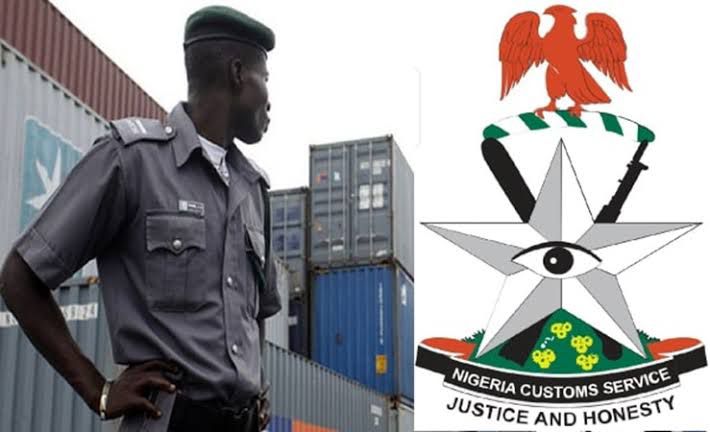
With Tincan Customs generate N145.9bn in January, projections for the first quarter of 2026 appear optimistic. Analysts suggest that if monthly averages remain above N140bn, the Command could surpass its annual target ahead of schedule.
The success of the paperless system will likely determine whether the revenue trajectory accelerates or stabilises. Digital integration with other port agencies, including quarantine, standards and maritime safety regulators, will be crucial to reducing duplication.
For now, the January figures position the Tincan Island Command as a leading contributor to Customs revenue performance nationwide.
As Nigeria intensifies efforts to diversify fiscal sources and strengthen trade governance, the milestone that Tincan Customs generate N145.9bn in January serves as both a benchmark and a test case for ongoing modernisation reforms across the maritime corridor.
About The Author