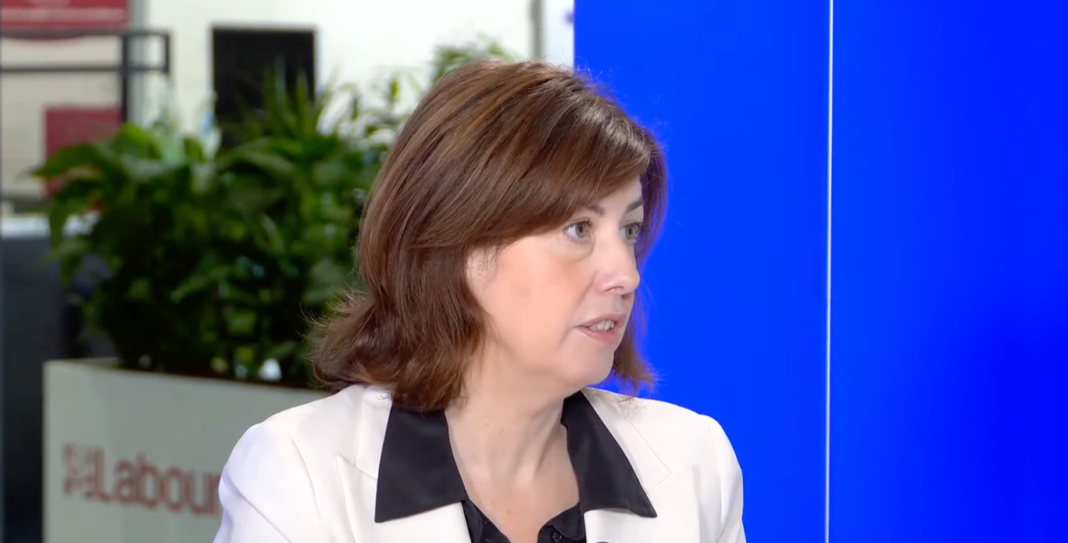

The state pension triple lock has come under renewed scrutiny after Labour deputy leader Lucy Powell refused to say whether the policy could eventually be changed as Andy Burnham prepares to outline plans for reforming adult social care.
Powell, who is also education secretary, said Labour remained committed to the triple lock and pointed to its inclusion in the party’s 2024 manifesto.
However, when repeatedly questioned by broadcasters, she would not confirm whether Burnham and Chancellor John Healey were considering changing or ending the policy in Labour’s next manifesto.
The issue has emerged alongside growing discussion about how the government could finance plans for a new approach to adult social care in England.
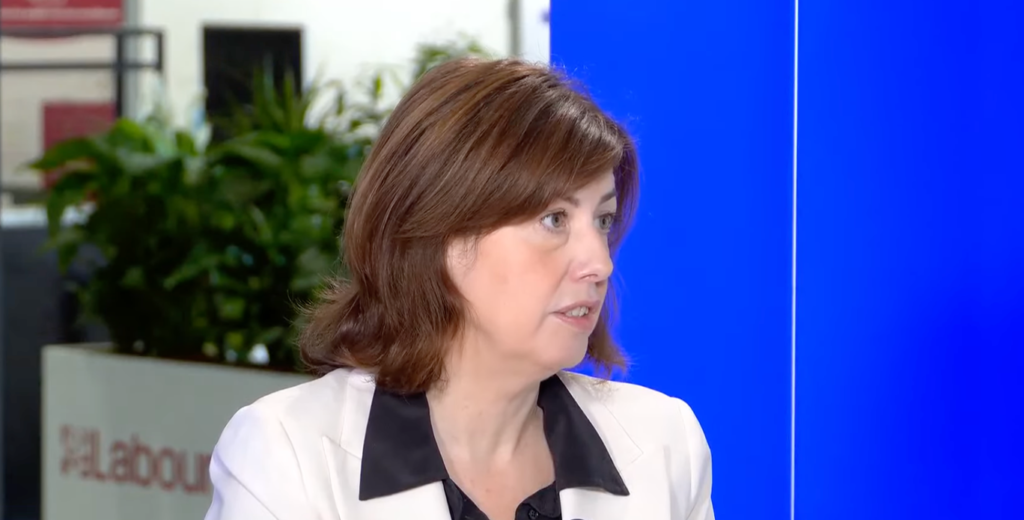
Lucy Powell Defends Triple Lock Commitment
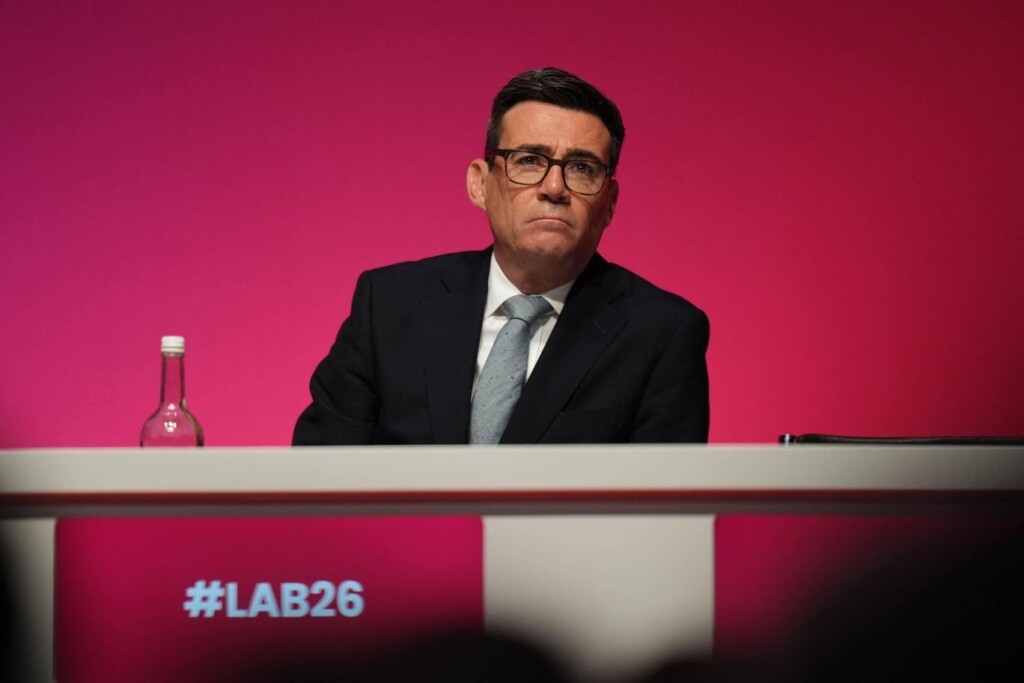
The Lucy Powell triple lock comments came as Labour’s annual conference in Liverpool focused on Burnham’s plans for social care and his promise to address difficult issues facing the country.
Powell told Sky News that Labour was committed to the policy and said it had delivered significant increases for pensioners during the current Parliament.
“We are committed to the triple lock. It’s in our manifesto,” Powell said.
She added that pensioners could expect the state pension to rise by about £2,000 a year over the course of the Parliament.
The triple lock currently means the state pension rises by whichever is highest among inflation, average earnings growth or a minimum increase of 2.5%.
Government figures show that the full new State Pension increased by 4.8% from April 2026 under the triple-lock system, with the government stating that the policy remains a commitment for the current Parliament.
Why Is the Triple Lock Being Discussed?
The debate has intensified because of the cost of Burnham’s proposed reforms to adult social care.
Burnham has pledged to address longstanding problems in the care system and has indicated that he wants to establish a new National Care Service.
Government plans published in July described social care reform as a major priority, with Burnham saying political leaders needed to confront difficult issues rather than continue delaying action.
The Independent has reported that proposals for changing the way pensions are increased could potentially be considered as one option for helping to meet the cost of future reforms.
However, Labour has not announced a policy to abolish or reform the triple lock.
Powell therefore maintained the party’s current commitment while declining to rule out what might appear in a future manifesto.
Andy Burnham Prepares Social Care Plans
The Andy Burnham social care plans are expected to feature prominently in his first Labour conference speech as party leader.
Burnham is expected to argue that politicians need to have a more open discussion with the public about the cost of addressing major problems.
Powell echoed that message, saying social care reform could not be achieved without addressing how it would be funded.
“I don’t know what Andy’s going to say about that today, but I know that what he’s talking about is this big conversation about solving these big problems, but being really honest with people that they they come at a cost,” she said.
She added: “You can’t just solve the social care crisis without having the big conversations about how you’re going to do this.”
Burnham has previously said he intends to use his political capital to tackle social care, an issue he attempted to address when he served as health secretary under former prime minister Gordon Brown.
Labour Says Change Would Come After Next Election
Despite the current debate, major changes to social care are not expected before the next election.
The Independent reported that Baroness Louise Casey is still expected to publish the findings of her review of social care, while Burnham has suggested that his proposals would be put to voters through Labour’s next manifesto.
This means any future change to the UK state pension system would depend on what Labour ultimately proposes and whether such a proposal forms part of its next election platform.
For now, the party’s existing position remains a commitment to the triple lock.
Unite Leader Opposes Triple Lock Reform
The debate has also exposed disagreement within Labour’s wider political movement.
Sharon Graham, general secretary of the Unite trade union, criticised the idea of changing the triple lock to help finance social care.
Asked whether the policy should be reformed for that purpose, Graham told BBC Radio 4’s Today programme that it would be wrong to reduce pension security to fund the proposed reforms.
“Instead of going and trying to pick the pocket of pensioners, we need to move over to the other side of the equation and look at things like wealth taxes, way before we try to stop something like the triple lock,” Graham said.
She also stressed that Burnham himself had not said he intended to scrap the policy.
“When we met with Andy this week, it certainly wasn’t mentioned,” she said.
Graham argued that Labour needed to demonstrate that it remained supportive of working-class people and said changing the pension policy could send a different message.
Triple Lock Debate Continues
The Labour pension policy debate comes as the government faces competing demands over public spending, social care and pensioner incomes.
Read also: RAF Fairford bomb plot: Rubio says foreign actor ‘clearly’ behind suspected attack
The triple lock was introduced to ensure state pensions keep pace with whichever is highest among inflation, average earnings growth or 2.5%.
Its supporters point to the protection it provides against rising living costs, while its critics have raised concerns about the long-term cost to government finances.
Current government policy remains to maintain the triple lock throughout this Parliament.
The political question now centres on what Labour may propose for the next Parliament and how any future social care reforms would be funded.
Powell’s latest comments therefore leave the immediate policy unchanged while avoiding a commitment on what Labour might include in its next manifesto.
Burnham’s conference speech is expected to provide further details of his approach to social care and the wider funding debate.
About The Author