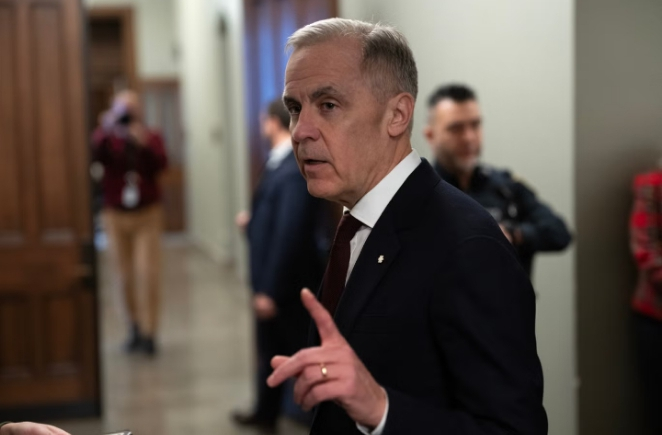
Mandelson Epstein scandal – Labour leader Sir Keir Starmer looks “weak, gullible and naive” after Peter Mandelson’s controversial appointment, facing escalating criticism from senior party figures amid the ongoing Epstein scandal.
Baroness Harriet Harman warned that unless decisive action is taken, the scandal involving Mandelson could end Starmer’s leadership, as internal pressure mounts and speculation about his future grows.
Sir Keir recently apologised to Jeffrey Epstein’s victims, acknowledging he trusted Mandelson’s assurances, which has intensified questions over his judgment and ability to lead the Labour party effectively.
Police are investigating claims that Mandelson passed sensitive information to Epstein while serving as business secretary, adding to the scrutiny on Starmer’s decision-making and vetting process.
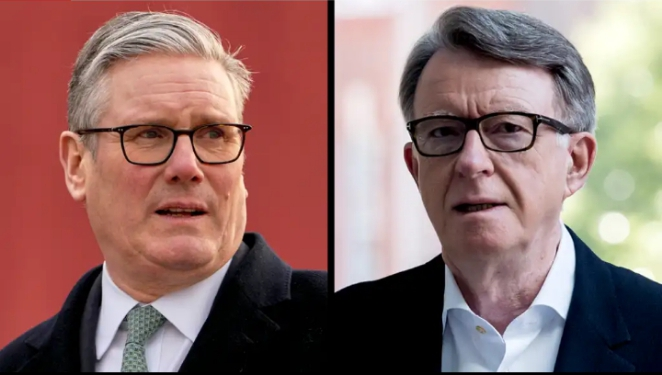
Government officials are reviewing communications and documents connected to Mandelson, examining whether proper oversight was applied during his controversial appointment as US ambassador.
Angela Rayner, Starmer’s former deputy, is reportedly “ready” to launch a leadership challenge, though her spokesperson dismissed claims, leaving Labour members divided over succession speculation.
Migration Minister Mike Tapp defended Starmer, emphasising that transparency is essential to restore public trust and prevent similar mistakes in future appointments within the party.
Harman highlighted that Starmer must reflect on why he appointed Mandelson and ensure future team members share his values, ethics, and principles to safeguard credibility and leadership.
Labour insiders argue that Mandelson’s appointment damages Starmer’s public image, portraying him as gullible and naive, raising concerns about his ability to navigate complex political crises.
The party faces unrest as grassroots members demand accountability and stricter standards for appointments, while media scrutiny continues to spotlight Starmer’s perceived vulnerability and judgment.
Some ministers insist that Starmer’s overall leadership record deserves consideration, arguing that a transparent, corrective approach can mitigate damage and stabilise the party during turbulent times.
Questions remain about Mandelson’s influence and whether Starmer could have avoided the fallout with more rigorous vetting and independent advice before finalising the appointment.
Analysts warn that internal dissatisfaction could escalate into factional divides, jeopardising Labour’s cohesion and its electoral prospects if Starmer does not act decisively to address the scandal.
Read also: Democrat urges national strike if Trump meddles in midterms
The Mandelson controversy coincides with broader critique of Starmer’s management style, highlighting weaknesses in his decision-making and the need for stronger accountability mechanisms within No 10.
Political commentators note that Starmer’s apology is necessary but insufficient to restore trust; voters and party members demand tangible reforms and decisive leadership responses.
Harman’s commentary underlines that Starmer must balance showing strong leadership while managing perceptions of weakness and gullibility to maintain authority and confidence within the party.
The Epstein-linked appointment reignites debate over ethical standards, revealing tensions between political loyalty, competence, and potential risks when controversial figures are placed in senior roles.
Critics argue that mismanaging the situation could empower opponents, while supporters suggest transparency and corrective measures could stabilise Starmer’s leadership and reassure the public.
Media coverage intensifies as investigative reporting exposes more details about Mandelson’s prior actions, keeping Starmer under relentless scrutiny and reinforcing perceptions of naivety in key decisions.
Internal discussions continue over whether personnel changes or policy adjustments could mitigate reputational damage while reinforcing Starmer’s authority and ensuring Labour remains unified.
Tapp reiterated his support, noting that Starmer is capable of navigating crises if transparent measures are implemented and lessons are applied to future appointments.
Observers highlight that Starmer’s resilience is being tested, requiring a display of both accountability and strategic foresight to counteract fallout from the Mandelson appointment.
The situation underscores the risks of political appointments, showing how misjudgments can erode public trust and impact party stability, international relations, and leadership credibility.
Starmer’s response in the coming weeks will be critical, as party members, the media, and voters evaluate his competence, judgment, and ability to prevent similar scandals.
The Epstein-linked appointment raises questions about due diligence, suggesting that Starmer may have relied too heavily on personal assurances rather than scrutinising Mandelson’s record independently.
Labour leaders are balancing criticism of Mandelson with defending Starmer’s leadership, aiming to address internal discontent without further eroding the party’s public image.
Public opinion polls show increasing concern over judgment and accountability, indicating that Starmer must act decisively to restore confidence among voters and party members alike.
Commentators note that Starmer’s credibility depends on his response, emphasizing transparency, corrective action, and clear communication to demonstrate reform-minded leadership.
The episode illustrates the interplay of leadership, accountability, and perception, highlighting how appointment misjudgements can have lasting political consequences for both the party and the prime minister.
Harman’s warnings stress urgency, urging Starmer to reassess appointments, strengthen vetting processes, and communicate reforms convincingly to prevent further erosion of authority and public trust.
Some activists argue that structural reforms are also needed to ensure lessons from the Mandelson scandal lead to permanent improvements in party processes and leadership oversight.
The government continues to release documents clarifying the appointment process, with ministers acknowledging that oversight failures contributed significantly to current challenges facing Starmer.
Starmer’s strategy likely involves demonstrating lessons learned, showcasing leadership competence, and reinforcing ethical standards to rebuild credibility and reassure both the public and party insiders.
As scrutiny continues, Starmer’s leadership will be judged not just on past errors, but on his decisiveness, transparency, and ability to implement reforms to prevent future controversies.
The Mandelson affair highlights the importance of accountability and rigorous vetting, showing that misjudgements can have cascading effects on public trust and Labour’s overall reputation.
Handled effectively, Starmer could turn the crisis into a demonstration of reform-minded leadership, reinforcing internal party cohesion and public confidence while addressing ethical concerns.
Key ministers remain closely involved, advising Starmer on navigating the fallout and implementing transparent procedures to maintain unity and credibility during this high-profile scandal.
Observers emphasize that Starmer’s resilience, communication skills, and capacity to implement reforms will determine whether the Mandelson scandal is a temporary setback or a lasting threat.

The unfolding situation demonstrates the delicate balance of leadership, public perception, and accountability, with misjudgements in appointments capable of reverberating across the political landscape.
Starmer’s immediate priority is decisive action to restore trust, ensure transparent appointment processes, and demonstrate that lessons from Mandelson’s tenure have been fully integrated into party governance.
About The Author