Southeast Asia trade under Trump is navigating a complex landscape of tariffs, transshipment tariffs, and China Plus One supply chain pressures, creating unprecedented challenges for regional economies and global trade flows.
Jayant Menon, senior fellow at ISEAS-Yusof Ishak Institute, says, “Asia trade under Trump is entering uncharted territory. Policymakers must manage competing pressures from Washington and Beijing simultaneously.”
The US-China trade war has reemerged as a key factor, directly influencing Southeast Asia trade. Rising Chinese exports and fluctuating ASEAN exports complicate trade planning for regional governments.
Early 2025 “liberation day” tariffs, ranging from 17 to 49 percent, affected Cambodia, Laos, Vietnam, Thailand, and the Philippines. Menon warns, “These tariffs make Southeast Asia trade under Trump more volatile and unpredictable.”
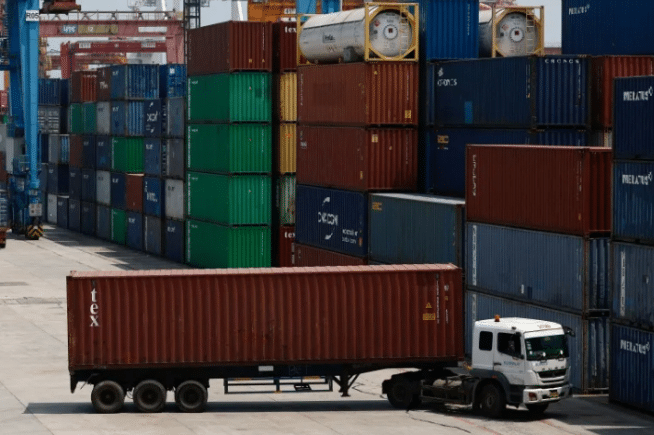
Transshipment tariffs targeting goods rerouted through ASEAN countries threaten China Plus One operations. Nick Marro of the Economist Intelligence Unit notes, “Southeast Asia under Trump is at risk, disrupting supply chains and production hubs.”
ASEAN exports face significant pressure. Steel, aluminum, auto parts, and electronics are affected. Marro observes, “Southeast Asia trade under Trump is not only about growth but also survival for export-dependent industries.”
Economic forecasts reflect the challenge. The Asian Development Bank lowered Southeast Asia’s 2025 growth estimate from 4.7 to 4.3 percent, citing tariffs, transshipment restrictions, and uncertainty impacting Southeast Asia trade under Trump.
Chinese exports to ASEAN surged 14.7 percent in early 2025, partially easing US tariff pressures. Menon notes, “While beneficial, Southeast trade under Trump still faces risks from competitive pricing and potential dumping.”
Two trends dominate. First, Chinese manufacturers reroute shipments through Southeast Asia to avoid US tariffs. Second, more goods are consumed locally. Both impact Southeast Asia under Trump in complex ways.
ASEAN exported $352.1 billion to the US in 2024, a 13.3 percent increase. Menon says, “Southeast Asia trade under Trump illustrates integration with global markets but highlights vulnerability to US-China trade war shocks.”
Dumping fears rise as Chinese goods enter ASEAN markets at lower prices. Marro explains, “Asia trade under Trump must contend with market distortions threatening domestic steel, textile, and electronics sectors.”
Political caution restrains formal complaints about dumping. Beddor of Gavekal Dragonomics notes, “Southeast Asia trade under Trump relies on economic diplomacy while avoiding retaliation risks from China or the US.”
Instead of bloc negotiations, ASEAN countries pursue one-on-one US discussions. Ian Chong says, “Trump prefers bilateral deals, so Southeast Asia trade under Trump depends on careful national-level diplomacy to mitigate tariffs.”
Tariff unpredictability persists. Menon warns, “Even with a US-China trade deal, Southeast Asia trade under Trump remains vulnerable to arbitrary adjustments affecting ASEAN exports and investor confidence.”
Domestic industries feel pressure from both tariffs and competition. Marro says, “Southeast Asia trade under Trump must navigate Chinese competition, currency fluctuations, and local production challenges to sustain growth.”
The depreciating US dollar and weaker renminbi make Chinese goods more competitive, complicating Southeast Asia trade under Trump. ASEAN exporters must adjust pricing and supply chains to remain viable.
E-commerce platforms benefit from cheaper Chinese goods, yet local manufacturers express concern. Menon observes, “Southeast Asia trade under Trump requires balancing consumer choice with protection for domestic industries and jobs.”
Port hubs in Singapore, Jakarta, and Port Klang are critical. Marro adds, “Disruptions caused by transshipment tariffs and China Plus One issues directly threaten Southeast Asia trade under Trump and regional logistics.”
Manufacturers are reassessing regional strategies. Menon explains, “Southeast Asia trade under Trump is forcing decisions about relocating production or adjusting supply chains to avoid tariffs and transshipment penalties.”
Governments implement protective measures. Beddor notes, “Southeast Asia trade under Trump now shapes industrial policy, trade defense strategies, and regulatory frameworks across multiple ASEAN economies.”
Financial institutions closely monitor trade flows. Marro says, “Southeast Asia trade under Trump requires evaluating tariff exposure, transshipment risks, and US-China trade war volatility before funding projects linked to ASEAN exports.”
Policymakers emphasize diversification. Menon observes, “Southeast Asia trade under Trump can benefit from expanding regional supply chains, increasing investment in logistics, and mitigating China Plus One and transshipment risks.”
Regional infrastructure is under strain. Port congestion, shipping delays, and logistics challenges demonstrate how Southeast Asia trade under Trump directly affects operational efficiency and the flow of ASEAN exports.
Workforce development is crucial. Menon says, “Southeast Asia trade under Trump relies on skilled labor in manufacturing, logistics, and digital supply chain management to maintain regional competitiveness under the US-China trade war.”
Energy and raw material prices fluctuate due to tariffs. Marro observes, “Southeast Asia trade under Trump must consider production costs, supply planning, and price adjustments to sustain efficiency and competitiveness in ASEAN exports.”
Diplomacy is central. Menon notes, “Southeast Asia trade under Trump depends on careful balancing between US tariff policies and China’s influence through investment, infrastructure, and supply chain networks.”
Consumers benefit from a wider product selection, but local manufacturers face pressure. Marro says, “Southeast Asia trade under Trump must ensure domestic industries survive amid increased Chinese imports.”
Technology adoption provides resilience. Menon explains, “Digital supply chain management and e-commerce integration help Southeast Asia trade under Trump mitigate disruptions from tariffs, transshipment tariffs, and China Plus One challenges.”
Long-term planning is critical. Marro concludes, “Southeast Asia trade under Trump will shape the next decade of ASEAN exports, investment patterns, and regional economic integration under US-China trade war conditions.”
Human stories underscore the impact. A Vietnamese electronics exporter told Al Jazeera, “Southeast Asia trade under Trump determines whether our factory survives. Tariffs and Chinese competition affect every decision we make.”
Small and medium enterprises in Thailand face similar pressures. “Transshipment tariffs have increased costs,” says a logistics manager in Bangkok. “Southeast Asia trade under Trump forces us to reconsider supply chains and pricing strategies.”
Local governments respond by providing incentives. Menon notes, “Southeast Asia trade under Trump encourages policy measures such as tax breaks, export support, and investment in logistics infrastructure to stabilize ASEAN exports.”
Analysts emphasize strategic foresight. Marro adds, “Companies must diversify markets, adopt digital solutions, and build resilient operations to survive Southeast Asia trade under Trump, transshipment tariffs, and China Plus One disruptions.”
Regional cooperation remains essential. Menon observes, “Southeast Asia trade under Trump benefits from ASEAN countries sharing information, coordinating policy responses, and supporting manufacturers facing tariff uncertainty and competitive pressures.”
Southeast Asia trade under Trump is a balancing act between opportunity and risk. With careful planning, strategic diplomacy, and investment in infrastructure, ASEAN countries can navigate challenges successfully.
Southeast Asia trade under Trump faces tariffs, transshipment tariffs, China Plus One disruptions, US-China trade war pressures, and competitive challenges affecting ASEAN exports, economic stability, and long-term growth prospects.
About The Author