Singapore boosts PM salary by $1m as the wealthy Asian city-state introduces a major increase in government ministers’ benchmark pay, pushing already world-leading political salaries even higher.
Prime Minister Lawrence Wong’s benchmark annual salary will increase from S$2.2 million to S$3.6 million, equivalent to about $2.8 million, under a new remuneration framework announced by the Singapore government.
The increase represents a substantial rise in political pay in a country that has long defended generous compensation for its leaders as a way of attracting capable people into public service and maintaining high standards of government.
Wong’s new benchmark package places his earnings significantly above those of many other national leaders, including the presidents and prime ministers of major Western economies, despite Singapore having a much smaller population and political system.
Singapore raises political salaries after 15 years
The Singapore government said the latest changes follow recommendations from an independent committee established to review the compensation framework for political office holders.
Singapore had not made a major adjustment to ministerial salaries for about 15 years, despite significant changes in the economy and the wider cost of attracting senior professional talent.
Under the new framework, Deputy Prime Minister Lawrence Wong’s deputy-level benchmark will rise from S$1.8 million to S$3 million, while cabinet ministers will have benchmark salaries ranging from S$1.8 million to S$2.8 million.
The precise amount available to individual ministers will depend on their seniority and the responsibilities attached to their portfolios, meaning not every member of the cabinet will receive exactly the same level of compensation.
Although the government has announced substantial new benchmarks, existing office holders will not immediately be moved to the full levels. Instead, they will receive a one-off adjustment of as much as 9% from 15 October, depending on individual circumstances and performance.
The phased approach means the government is separating the new benchmark structure from the immediate salaries received by ministers currently serving in office.
Lawrence Wong says salary increase is about leadership
Wong acknowledged that political salaries remain a highly sensitive issue because the amounts involved are dramatically higher than what most ordinary Singaporeans earn.
The prime minister said citizens were justified in examining the decision closely, recognising that the issue could generate strong reactions in a society where income inequality and the cost of living remain important public concerns.
“Political salaries are a difficult and emotive issue,” Wong said, explaining that the government understood why Singaporeans scrutinised the figures and held strong views about the subject.
However, he argued that the debate should ultimately focus on whether Singapore can continue attracting the quality of political leadership needed to guide the country through future challenges.
Wong said the central argument behind the remuneration system was straightforward: “good government depends on good leadership.”
His position reflects Singapore’s long-standing approach to public-sector compensation, which seeks to make senior political office financially competitive with demanding positions in the private sector.
Singapore PM salary remains among highest globally
Even before the latest increase, Singapore’s prime minister was already among the highest-paid political leaders anywhere in the world, with compensation far exceeding the salaries of leaders in several larger and wealthier nations.
For comparison, the US president earns $400,000 annually, while the UK prime minister receives roughly $230,000, meaning Wong’s new benchmark is several times higher than the basic annual compensation of those two leaders.
The difference has repeatedly made Singapore’s political pay system a subject of international attention, particularly because the government openly links high salaries with the recruitment and retention of political talent.
Singapore has argued that ministers make decisions affecting the entire economy and society, and therefore need compensation capable of attracting people who could otherwise pursue lucrative careers elsewhere.
The approach also forms part of a wider philosophy within Singapore’s public administration, where strong institutions, efficiency and relatively low levels of corruption have been presented as evidence supporting the country’s governance model.
Why Singapore defends high ministerial pay
The government’s argument is that paying political leaders at competitive levels reduces the incentive for corruption and helps Singapore attract highly qualified individuals into government.
The city-state is regularly ranked among the least corrupt countries globally, a reputation that authorities have repeatedly connected to strong institutions, strict enforcement and professional public administration.
However, the relationship between high political salaries and good governance remains controversial, particularly when the compensation received by ministers is compared with the earnings of ordinary workers.
The latest increase is therefore likely to renew debate about whether extremely high salaries are necessary to secure effective leadership or whether they risk widening the perceived distance between political leaders and the population they serve.
Wong’s comments suggest the government is aware of that tension but believes the long-term benefits of retaining capable political leadership outweigh the political sensitivity surrounding the figures.
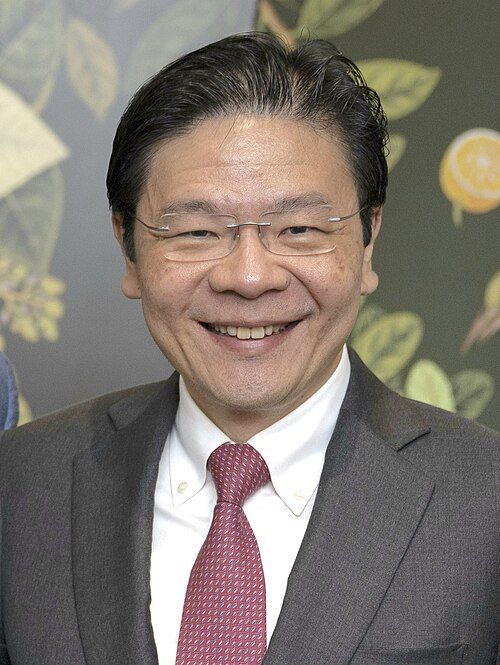
Lawrence Wong pledges to donate his entire increase
In an attempt to address concerns about the personal benefit created by his higher salary, Wong announced that he would donate the entire increase in his pay to suitable charitable causes during his term.
The commitment means the prime minister will not personally retain the additional amount generated by the increase, although his official benchmark salary will still rise under the revised framework.
Wong’s pledge is also significant politically because the salary debate has always involved questions about whether leaders should personally benefit from decisions made by the government regarding their own compensation.
By directing his additional earnings toward charitable causes, the prime minister is attempting to distinguish his personal position from the broader government decision to raise political remuneration.
The move could also help ease public concerns about the scale of the increase, although the wider debate over Singapore’s ministerial pay structure is unlikely to disappear.
Ministers will receive smaller immediate increases
Despite the dramatic rise in the official salary benchmarks, Singapore’s existing ministers will not immediately receive the full amounts announced under the new system.
Instead, the government will implement an initial adjustment of up to 9% beginning on 15 October, with the final amount determined by individual circumstances and performance.
That distinction is important because the headline figures represent the revised benchmark salaries rather than an immediate across-the-board increase of more than 60% for every serving minister.
The new structure nevertheless establishes substantially higher reference points for political compensation and could influence the earnings of senior office holders over the longer term.
The government’s decision to introduce the changes gradually appears designed to limit the immediate impact while moving the political remuneration system toward the new framework recommended by the independent review committee.
Singapore faces debate over wealth and political pay
The salary decision comes against the backdrop of Singapore’s reputation as one of Asia’s most prosperous economies, with high living standards but also significant public attention focused on household expenses and affordability.
For many citizens, the enormous gap between ministerial compensation and average wages can make arguments about competitive pay difficult to accept, particularly when government policies directly affect housing, healthcare, transport and household costs.
That makes Singapore’s political salary system both an economic and political issue. Supporters view it as an investment in competent leadership, while critics can question whether the financial rewards are proportionate to public service.
Wong’s acknowledgement that citizens will scrutinise the decision indicates that the government expects continued debate, even as it maintains that leadership quality should remain the central consideration.
Ultimately, Singapore’s latest remuneration changes represent a renewed commitment to a distinctive model in which political leaders receive exceptionally high compensation in exchange for expectations of competence, integrity and effective governance.
Read also: Israel closes British consulate in Jerusalem over UK sanctions
The Singapore boosts PM salary by $1m decision therefore goes beyond a simple pay adjustment, reopening a long-running national conversation about the value of political leadership, public trust and how much governments should pay those responsible for running the state.
For now, Wong has defended the policy as necessary for Singapore’s future, while his pledge to donate the additional income provides a personal response to concerns surrounding the size of the increase.
As the new salary framework takes effect, attention is likely to remain focused on whether higher political compensation strengthens Singapore’s ability to attract talent and preserve its governance standards, or whether it creates further public concern over the growing gap between leaders and ordinary citizens.
About The Author