Saudi Arabia has invited Yemen’s rival factions to Riyadh for dialogue as fighting escalates in the south, underscoring renewed regional efforts to stabilise Yemen’s fractured political landscape.
The invitation follows air strikes by the Saudi-led coalition targeting positions held by the Southern Transitional Council in Hadramout, highlighting widening rifts among anti-Houthi forces.
Riyadh said the talks were requested by Yemen’s internationally recognised government, which seeks a comprehensive political settlement addressing longstanding grievances in southern governorates.
Officials described the proposed conference as inclusive, bringing together political factions, tribal representatives, and military actors to pursue a negotiated solution to the southern issue.
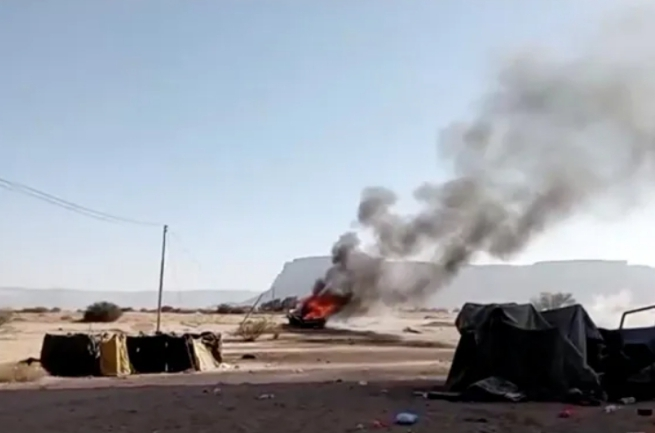
Saudi Arabia’s foreign ministry said dialogue remains the only viable path, urging restraint after recent clashes killed civilians and displaced families across contested districts.
“The Kingdom calls for calm and constructive engagement,” the statement said, stressing the need to preserve unity while addressing demands through peaceful political mechanisms.
The violence erupted as government-aligned forces advanced toward Mukalla, the strategic port city and capital of Hadramout province, prompting fears of broader confrontation.
Residents reported explosions and aircraft overhead as coalition strikes hit areas around Sayoun, a flashpoint where rival forces have vied for control.
The Southern Transitional Council accused Saudi Arabia of siding with government troops, rejecting the air strikes as unjustified interference in southern aspirations.
STC leaders reiterated plans to organise a referendum on independence within two years, arguing southerners deserve self-determination after years of conflict.
“The south has a right to decide its future,” an STC spokesperson said, calling for international recognition of a popular vote on independence.
Analysts warn the competing agendas risk igniting a new phase of war within Yemen’s already complex conflict, entangling regional powers with local rivalries.
Political analyst Hisham Al-Omeisy said the clashes represent “a dangerous turning point,” with armed groups attempting to redraw territorial control.
“This is prolonged fighting,” Al-Omeisy said, adding that rival factions are seeking advantage amid shifting alliances and weakening command structures.
He cautioned that Yemen could see “a bloody conflict in the coming days” as forces mobilise and external backers reassess their positions.
According to Al-Omeisy, the confrontation is “a proxy war within a proxy war,” reflecting Saudi and Emirati interests intersecting with Yemeni power struggles.
He warned of regional spillover, saying instability could affect shipping routes and exacerbate insecurity in neighbouring Somalia and Sudan.
The United Arab Emirates, a longtime supporter of the STC, announced it has completed the withdrawal of its remaining military personnel from Yemen.
In a statement, the UAE defence ministry said the withdrawal concluded previously announced plans, ensuring personnel safety and coordination with partners.
Abu Dhabi said it remains committed to diplomatic efforts, despite ending on-the-ground missions that once shaped southern security arrangements.
Yemen’s Presidential Leadership Council welcomed Saudi mediation, saying dialogue offers a chance to address southern grievances within a unified state.
A council statement said government forces were advancing to secure key infrastructure, framing operations as necessary to restore stability.
Humanitarian agencies expressed concern that renewed fighting could disrupt aid delivery in Hadramout, where communities already face shortages.
Aid workers warned that displacement could increase if clashes spread toward populated areas, compounding Yemen’s protracted humanitarian crisis.
The United Nations has repeatedly urged Yemeni parties to avoid escalation, emphasising the fragile gains achieved through recent de-escalation efforts.
UN officials say inclusive talks must address political representation, economic disparities, and security arrangements to prevent renewed fragmentation.
Regional observers note that Saudi Arabia seeks to balance unity with pragmatism, acknowledging southern demands without endorsing secession.
Riyadh’s invitation reflects concerns that unchecked fighting could weaken fronts against the Houthis, who continue to control northern territories.
“The Houthis are watching closely,” Al-Omeisy said, suggesting rivalries in the south could create openings for territorial expansion elsewhere.
Local leaders in Hadramout have called for restraint, urging factions to spare civilian areas and protect vital oil and port facilities.
Tribal elders appealed for mediation, warning that prolonged conflict could inflame communal tensions and undermine social cohesion.
Residents in Mukalla expressed anxiety about security, with businesses closing early amid rumours of advancing troops and potential street fighting.
A shopkeeper said uncertainty is crippling commerce, adding, “People fear the worst when weapons decide politics again.”
Saudi officials insist the Riyadh conference will provide guarantees for representation, aiming to rebuild trust among fractured southern constituencies.

Diplomats say success depends on credible confidence-building measures, including ceasefires, prisoner exchanges, and neutral monitoring mechanisms.
Previous agreements, including the Riyadh Agreement, faltered due to implementation disputes, leaving scepticism among Yemeni actors.
Still, regional mediators argue the current moment offers leverage, as external backers recalibrate commitments and push compromise.
Observers note the UAE withdrawal could reduce militarisation, but also remove a stabilising force in contested southern zones.
Government supporters say restoring state authority is essential for economic recovery and reopening ports critical to national revenue.
Southern activists counter that centralised governance failed them, fuelling demands for autonomy or independence.
As preparations for talks continue, the risk of further clashes remains high, with forces manoeuvring ahead of any political breakthrough.
Whether dialogue can halt the slide toward wider conflict will test Saudi diplomacy and Yemeni leaders’ willingness to compromise.
Read also: Saudi-backed forces clash with UAE-linked Separatists as Yemen’s eastern border erupts
For civilians exhausted by years of war, the hope is that talks in Riyadh can finally translate into lasting peace.