Russian attack destroys Kharkiv energy facility has become the latest and most alarming development in Ukraine’s ongoing struggle to protect its critical infrastructure amid an intensified winter air campaign by Moscow.
The strike on Ukraine’s second-largest city has worsened an already severe energy crisis, leaving large sections of the population without electricity and heating during sub-zero temperatures and forcing Kyiv to rely increasingly on emergency international assistance.
Local authorities in Kharkiv confirmed that Russian forces targeted and destroyed a major energy installation, though officials stopped short of disclosing technical details for security reasons.
Emergency response teams were deployed immediately, working around the clock to stabilise the situation and prevent further cascading failures across the city’s power network.
Kharkiv mayor Ihor Terekhov said the attack was part of a sustained effort to cripple civilian life, particularly during the coldest period of the year.
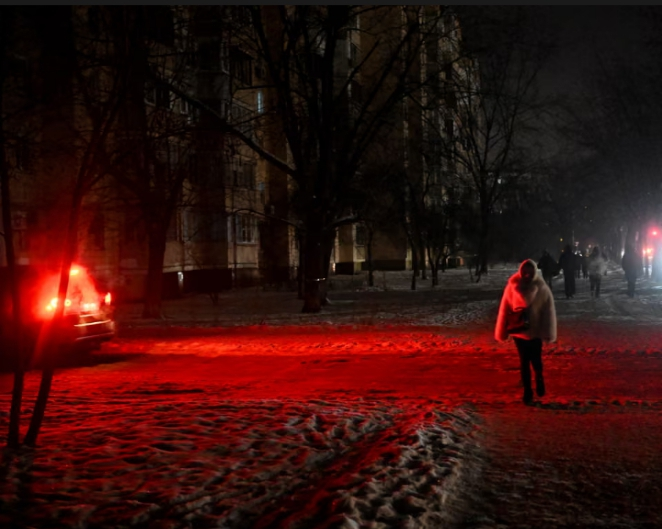
The strike fits a broader pattern of Russia winter strikes Ukraine has experienced since the start of the cold season. Power plants, substations, heating facilities and transmission nodes have been repeatedly hit, creating rolling blackouts and heat shortages across major urban centres.
In Kharkiv, one of the cities closest to the front lines, the destruction of a single large energy facility has outsized consequences, affecting hospitals, residential areas and industrial operations simultaneously.
Ukraine’s national leadership has responded with urgency. President Volodymyr Zelenskyy convened emergency meetings with regional governors and energy officials to accelerate repair efforts and reallocate available resources.
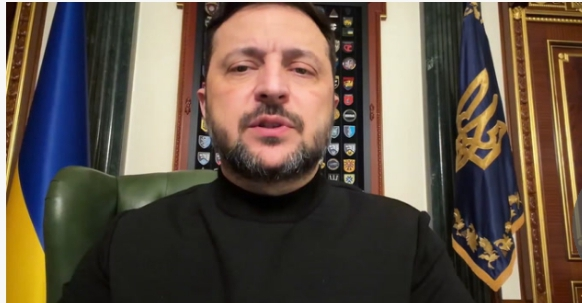
Speaking in his nightly address, Zelenskyy confirmed that Russian strikes continued not only in Kharkiv but also in Kyiv and other cities, underscoring the nationwide scale of the Ukraine energy crisis.
In the capital, the situation remains fragile. Kyiv mayor Vitali Klitschko reported that hundreds of apartment blocks were still without heating following earlier attacks that knocked out centralised heating systems serving high-rise buildings.
Temporary solutions, including mobile boilers and backup generators, have been deployed, but officials warn that prolonged outages pose serious risks to vulnerable populations, particularly the elderly and children.
The worsening conditions prompted Zelenskyy to formally declare an energy emergency, a move designed to unlock additional powers for the government and speed up international assistance.
The Zelenskyy energy emergency declaration allows for regulatory flexibility, expanded imports of electricity, and emergency procurement measures aimed at stabilising the grid during the harsh winter months.
One of the most significant international responses came from London. The UK emergency support for Ukraine package, announced shortly after the declaration, includes £20m in targeted funding to help maintain electricity and heating supplies throughout the winter.
British officials said the assistance would focus on critical services such as hospitals, schools and residential heating systems, helping Ukraine withstand continued attacks on its energy infrastructure.
The funding is part of a broader Western effort to keep Ukraine functioning despite Russia’s strategy of targeting civilian infrastructure.
British diplomats described the strikes as an attempt to weaponise winter, using cold and darkness to undermine morale and force political concessions.
They stressed that sustaining basic services is essential not only for humanitarian reasons but also for Ukraine’s overall resilience.
Ukraine’s government has also introduced domestic measures to cope with the crisis. Prime Minister Yulia Svyrydenko announced temporary adjustments to curfews to reduce pressure on the power grid during peak hours, while businesses and government institutions have been permitted to import additional electricity from neighbouring countries.
In Kyiv, school holidays were extended to limit energy consumption in public buildings and reduce risks to students.
The scale of the challenge has drawn attention from international financial institutions.
The managing director of the International Monetary Fund, Kristalina Georgieva, made a surprise visit to Kyiv, meeting senior Ukrainian officials and inspecting energy facilities damaged by Russian strikes.
She indicated that a new multi-billion-dollar lending programme was nearing approval, designed to stabilise Ukraine’s economy and unlock further support from other global lenders.
Georgieva’s visit carried both financial and symbolic weight. It was her first trip to Ukraine since 2023 and included a visit to memorials for fallen soldiers as well as energy sites hit during recent attacks.
IMF officials emphasised that maintaining energy supply is critical for economic stability, public services and the country’s ability to continue resisting aggression.
Alongside the external pressures, Ukraine is also dealing with internal political turbulence.
Anti-corruption investigators have reportedly charged former prime minister and opposition leader Yulia Tymoshenko over allegations of orchestrating a bribery scheme involving members of parliament.
While Tymoshenko has denied the accusations, the case has added another layer of complexity to a political system operating under wartime conditions.
Security and diplomatic efforts continue in parallel.
Nato secretary general Mark Rutte held talks with Zelenskyy focused on the energy situation and the humanitarian impact of Russia winter strikes Ukraine. Rutte reiterated the alliance’s commitment to ensuring Ukraine receives the support necessary to defend itself and eventually secure a lasting peace.
Zelenskyy, in turn, stressed the urgent need for additional air defence systems to protect energy infrastructure from further missile and drone attacks.
The Ukrainian president has also pushed back against suggestions that Kyiv is obstructing peace efforts. Responding to remarks made by former US president Donald Trump, Zelenskyy said Ukraine has never been and will never be an obstacle to peace, but insisted that any settlement must respect the country’s sovereignty and security.
For ordinary Ukrainians, the immediate concern remains survival through winter. In Kharkiv, residents have adapted to life with intermittent power, relying on candles, portable heaters and community warming centres.
Volunteers and local authorities have coordinated the distribution of thermal blankets, generators and emergency supplies, but the strain is evident as temperatures continue to drop.
Energy experts warn that repeated attacks increase the risk of long-term damage, making repairs more complex and time-consuming.
While Ukrainian engineers have shown remarkable speed and ingenuity in restoring power after previous strikes, the destruction of large facilities like the one in Kharkiv poses a far greater challenge.
Read also: Federal officer shoots man in Minneapolis amid escalating immigration enforcement tensions
As the war enters another winter phase, the Russian attack destroys Kharkiv energy facility episode highlights the central role of infrastructure in modern conflict.
Beyond the battlefield, control over electricity and heat has become a decisive front, shaping civilian endurance and international responses alike.
Whether Ukraine can maintain sufficient energy supply in the face of continued attacks will remain a defining question in the months ahead.
About The Author