Russia has declared it is ready for war with Europe as Witkoff in Moscow for talks as Putin claims to have taken key Ukrainian city, intensifying global concern.
The US envoy, Steve Witkoff, arrived alongside Jared Kushner for high-level meetings with Russian officials in the Kremlin, aiming to explore potential avenues toward a peace resolution.
Kremlin aide Yuri Ushakov described the negotiations as “extremely useful, constructive, and informed,” emphasizing the continued gaps on major issues despite hours of discussion.
“After five hours, we are neither further nor closer to resolving the crisis in Ukraine. There is a lot of work to be done,” Ushakov said.
Discussions focused on the essence of the US peace plan, including proposals meant to offer Ukraine security guarantees while managing Russia’s maximalist territorial demands.
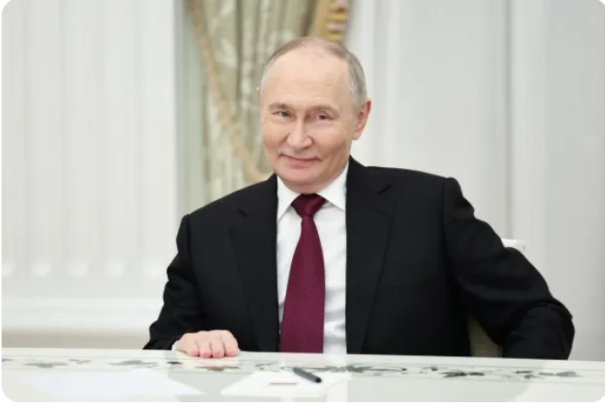
Putin, in a combative opening, accused European powers of sabotaging peace. “Europe is preventing the US administration from achieving peace on Ukraine,” he said.
“If Europe starts, we are ready right now,” Putin added, signaling Moscow’s readiness to escalate military action if European interference persists.
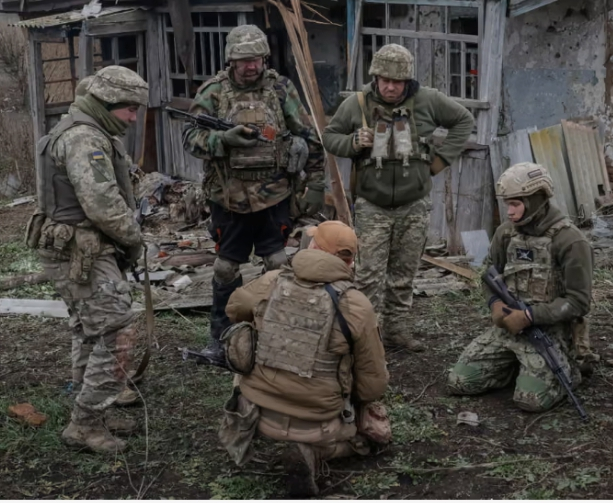
The Russian president’s claims of taking strategic locations like Pokrovsk have bolstered Moscow’s leverage in negotiations, though Ukrainian officials dispute full control of the city.
Pokrovsk has long been a logistical hub for the Ukrainian army, and Russia’s partial capture has significant implications for territorial control in the Donetsk region.
US Secretary of State Marco Rubio confirmed that “some progress was made on security guarantees,” noting efforts to protect Ukraine’s sovereignty while balancing diplomatic realities.
European interference remains a complicating factor. Officials in Brussels have urged modifications to the original US plan to avoid pressuring Ukraine into excessive concessions.
The main focus keyphrase, “Witkoff in Moscow for talks as Putin claims to have taken key Ukrainian city,” highlights the central diplomatic event shaping current tensions between East and West.
President Zelenskyy has monitored the talks closely, posting on X that “everything depends on today’s discussions” and emphasizing the need for enforceable guarantees.
Ushakov said that specific American proposals were discussed in principle, but Russia’s leadership maintained a critical stance on multiple points, particularly regarding territorial boundaries.
Despite revisions to the 28-point US peace plan, Moscow’s demands effectively require Ukraine’s capitulation, complicating the path to a realistic compromise on the battlefield.
Witkoff’s visit marks his sixth trip to Moscow this year, reflecting the Trump administration’s intense shuttle diplomacy, which also included meetings with Ukrainian officials in Florida.
The US delegation sought to present a modified plan to make concessions acceptable to Kyiv while ensuring Russia’s goals were partially addressed, but the effort fell short.
European powers, wary of the original US proposal, pressed for changes that limit Ukrainian territorial concessions, illustrating the challenges posed by European interference in the mediation process.
Putin’s rhetoric aimed to drive a wedge between Washington and its European allies, emphasizing Moscow’s insistence on strict territorial control and minimal compromises.
“The US has tried for the third time in ten days to pressure Ukraine, and Washington has once again failed,” reported Russian state media ahead of the talks.
Analysts suggest Russia’s claims of control over Ukrainian cities are part of a broader strategy to increase leverage in US-Russia diplomacy and influence subsequent negotiations.
The Kremlin also signaled its willingness to escalate military measures if diplomacy does not meet its objectives, threatening strikes on Ukrainian ports and shipping in the Black Sea.
Russian state media emphasized that next steps could include tougher terms for Ukraine if it refuses to meet Moscow’s demands, highlighting the ongoing standoff.
Zelenskyy’s team has objected to provisions requiring surrender of territory in the east and limitations on the size of Ukraine’s armed forces, seeking stronger security guarantees.
Jared Kushner, Kirill Dmitriev, and Steve Witkoff were photographed entering the Kremlin, underscoring the high-profile nature of these US-Russia diplomacy efforts.
Putin maintained that only the original US proposal could serve as a basis for further talks, albeit requiring significant revisions to meet Moscow’s conditions.
Despite intensive shuttle diplomacy and multiple revisions, bridging the gap remains challenging, as Russia continues to demand far-reaching concessions that threaten Ukraine’s sovereignty.
Trump described the conflict as a “mess” during a cabinet meeting, acknowledging that the war is not easily resolved despite ongoing mediation efforts.
Russian military gains have been accompanied by warnings that Europe’s interference could trigger an escalation, suggesting Moscow is prepared to keep fighting if diplomacy falters.
“More and more Ukrainian territory is coming under our control,” Komsomolskaya Pravda reported, implying that Moscow sees the US talks as a potential dead end.
The strategic importance of Pokrovsk, seen as a gateway to Donetsk, highlights why territorial control remains a focal point in negotiations and potential conflict escalation.
Security guarantees, territorial integrity, and European interference are central to the discussions, with both sides weighing military, political, and economic factors in the conflict.
US-Russia diplomacy continues under intense scrutiny, with each side attempting to balance domestic expectations, international pressure, and the reality of an ongoing war.
Putin’s threats against Ukrainian ports followed strikes on Russian vessels in the Black Sea, framing a narrative of retaliatory measures and emphasizing Russia’s readiness for war.
The Kremlin’s strategic messaging is intended to pressure the US and European powers while presenting Russia as uncompromising in defending its territorial objectives.
Analysts note that the US delegation’s efforts to adjust the peace plan show flexibility, but Moscow’s maximalist approach limits the practical outcomes achievable through diplomacy.
Zelenskyy’s insistence on enforceable guarantees reflects Kyiv’s wariness of unverified promises and highlights the importance of international oversight in any agreement.
The Trump administration aims to achieve some form of compromise without forcing Ukraine into outright capitulation, balancing security guarantees with territorial control concerns.
European interference complicates matters, as EU powers seek to prevent Ukraine from ceding territory or compromising its military capabilities, placing additional pressure on US mediators.
Russia’s statements of readiness for war with Europe serve as both a warning and a negotiating tactic, emphasizing the potential costs of failed diplomacy.
Witkoff’s presence in Moscow underscores Washington’s commitment to direct negotiation, even as skepticism grows regarding Russia’s willingness to compromise on key points.
Territorial control and security guarantees are at the heart of the impasse, shaping the prospects for any lasting peace settlement in Ukraine.
The ongoing US-Russia diplomacy reflects high-stakes international negotiation, where missteps could trigger escalation or provide opportunities for compromise, depending on the willingness of all parties to adjust positions.
In conclusion, Russia ‘ready’ for war with Europe as Witkoff in Moscow for talks illustrates the fragility of current peace efforts, with territorial disputes, European interference, and security concerns dominating discussions.
Analysts warn that without substantive concessions and enforceable agreements, the risk of renewed fighting or further destabilization in Eastern Europe remains high.
Both Washington and Moscow continue to emphasize diplomacy, yet Moscow’s threats and strategic gains reinforce the complexity of bridging differences in US-Russia diplomacy.
Zelenskyy’s careful monitoring and insistence on security guarantees demonstrate Ukraine’s commitment to sovereignty, highlighting the delicate balance between compromise and national defense.
European interference, aimed at moderating the original US plan, adds another layer of challenge, forcing mediators to navigate competing interests while avoiding escalation.
The stakes remain high as the world watches, with Witkoff in Moscow for talks as Putin claims to have taken key Ukrainian city, signaling that diplomacy and conflict readiness coexist uneasily.
Russia’s readiness for war, ongoing territorial ambitions, and the intricate dance of US-Russia diplomacy suggest that the coming weeks will be crucial in determining the course of the conflict.
The international community remains on alert, observing whether diplomacy can avert further escalation or if Europe and Ukraine will face intensified military pressure from Moscow.
About The Author