Reform UK’s former Wales leader Nathan Gill has been sentenced to ten and a half years at London’s Old Bailey after admitting bribery charges related to pro-Russia speeches. Investigators revealed he accepted large sums from alleged Russian agents, influencing narratives on Ukraine.
Gill, once a prominent figure in Nigel Farage’s Brexit Party, had served in the European Parliament where he pleaded guilty to eight counts of bribery between 2018 and 2019. Prosecutors described the payments as a deliberate attempt to sway political discourse.
Police reports indicate Gill received at least £40,000 from Oleg Voloshyn, an alleged Russian asset now believed to be in Moscow. The sum may have been higher, though exact figures remain unclear.
The former MEP’s actions, investigators say, were primarily financially motivated. He has not offered a clear explanation for his decisions, leaving authorities concerned about vulnerabilities in parliamentary oversight.
Gill’s pro-Russia statements were strategically aimed at promoting Kremlin narratives regarding Ukraine, particularly in the tense period leading up to Russia’s full-scale invasion in 2022. These statements appeared in both the European Parliament and pro-Russian media.
Experts have highlighted the impact of Gill’s actions on UK political security. “Even small-scale influence operations in European institutions can have lasting geopolitical consequences,” said one analyst familiar with the case.
Reform UK has condemned Gill’s behavior as a betrayal of public trust. The party emphasized that such actions contradict democratic principles and stressed its commitment to transparency and accountability in politics.
Parliamentary security sources are reviewing protocols to prevent similar breaches. They note that financial vulnerabilities among lawmakers can create opportunities for foreign influence, which may affect EU-level policymaking and security.

Oleg Voloshyn, who allegedly facilitated the bribes, remains outside the UK. Authorities are considering further sanctions and legal measures, warning that international accountability is crucial in cases of foreign political interference.
The sentencing marks a significant moment in UK politics, raising questions about the oversight of European Parliament members and their susceptibility to foreign influence, particularly from Russian sources.
Gill’s admission came as a surprise to investigators. Many had expected a prolonged trial, but his guilty plea expedited proceedings and confirmed the seriousness of the allegations against him.
Observers note that the case reflects wider concerns about the Kremlin’s attempts to influence European policymakers and public discourse through covert financial incentives and media manipulation.
Financial pressure is often cited as a driving factor in such cases. Investigators emphasized that Gill’s personal financial situation likely contributed to his decision to accept bribes without disclosing them.
Analysts warn that this incident may prompt stricter scrutiny of European lawmakers’ financial dealings and reinforce measures to detect and prevent foreign influence campaigns in democratic institutions.
The European Parliament is examining existing regulations on conflicts of interest, emphasizing mandatory disclosure of financial relationships with foreign nationals to ensure transparency and accountability in legislative processes.
Gill’s involvement in the Brexit Party and subsequent Reform UK activities demonstrates how high-profile political figures can be targeted by foreign interests seeking strategic influence at pivotal moments.
Prosecutors argued that the statements delivered by Gill were crafted to align with Russian messaging, subtly undermining European unity and bolstering Kremlin objectives regarding the Ukraine conflict.
Security experts suggest that cases like Gill’s highlight the importance of monitoring foreign lobbying efforts and financial transactions involving politicians, particularly when related to contentious geopolitical issues.
The Old Bailey emphasized the severity of the crime. Bribery in public office, especially when connected to foreign powers, constitutes a serious threat to national security and democratic integrity.
Public reaction to the sentencing has been swift, with commentators and media outlets framing the case as a cautionary tale for politicians tempted by financial incentives to compromise principles.
The UK government is coordinating with European authorities to track and prevent further influence operations, particularly targeting lawmakers susceptible to financial pressure or foreign inducements.
Political analysts warn that vigilance is essential. Foreign interference campaigns often exploit existing divisions and financial vulnerabilities, emphasizing the need for systemic safeguards and proactive oversight in democratic institutions.
Gill’s actions will likely influence reforms in both UK and European parliamentary practices, reinforcing mechanisms for accountability, transparency, and disclosure to protect democratic processes from covert foreign influence.
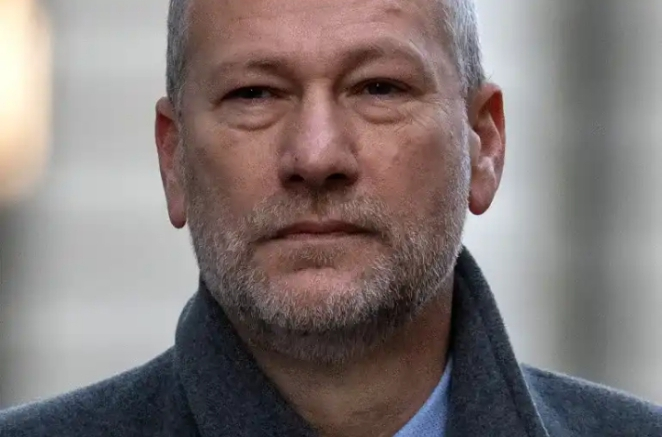
The case has ignited debate on ethics in politics, with calls for stricter regulations and penalties for elected officials who accept bribes or otherwise compromise national interests in favor of foreign powers.
About The Author