Federal prosecutors in Maryland are preparing to ask a grand jury to indict John Bolton, former national security adviser, a person familiar with the matter confirmed.
Bolton served in Donald Trump’s first administration from 2018 to 2019 and has remained a vocal critic, frequently speaking out about the president’s policy decisions.
Details of the potential indictment remain unclear, but officials have focused on Bolton’s handling of classified information, including notes and diary-like records maintained in his personal AOL email account.
Bolton’s attorney, Abbe Lowell, strongly denied any wrongdoing, stating that “John Bolton has always acted appropriately with classified materials, following protocols established during his government service.”
This development comes amid mounting scrutiny of the Department of Justice, which has faced unprecedented pressure from Trump allies to pursue legal action against political opponents.
In recent weeks, Lindsey Halligan, a Trump-appointed U.S. attorney in Virginia, successfully obtained indictments against former FBI Director James Comey and New York State Attorney General Letitia James.
Both cases were pursued over objections from career prosecutors, highlighting the unusual political influence that has increasingly shaped federal prosecutions in Washington, D.C.
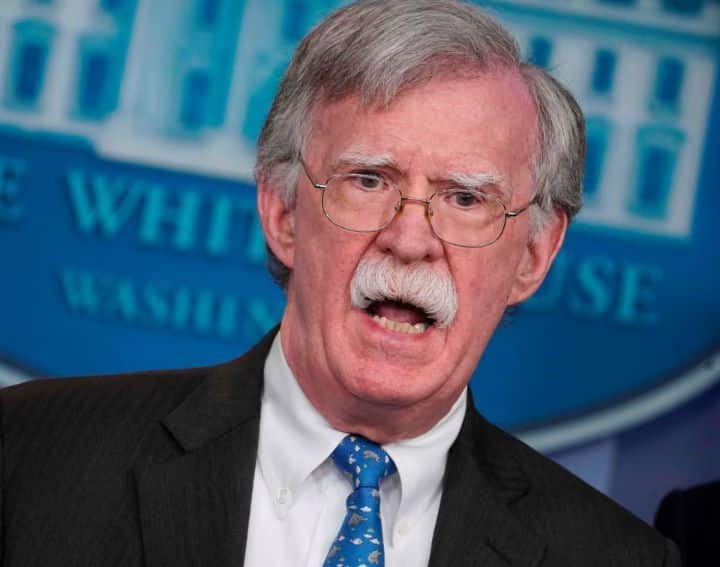
Bolton has long been a thorn in Trump’s side, criticizing his policies on cable news and in public statements, particularly regarding the handling of classified documents at Mar-a-Lago.
Sources say investigators have examined Bolton’s private notes and emails to determine whether they contained classified information, even when the records were decades old or personal reflections.
Officials have also reviewed whether Bolton’s assistants or staff had access to sensitive information, a common concern when senior officials maintain extensive private records.
A U.S. intelligence assessment revealed Bolton’s AOL email account had been hacked by a foreign adversary, adding complexity to the legal analysis surrounding classified information disclosure.
The Justice Department evaluates cases under the Espionage Act using “aggregating factors,” which include willful mishandling, volume of information, disloyalty, and obstruction when considering prosecution.
Bolton, a former U.N. ambassador and longtime federal official, held top-secret clearance, making his meticulous note-taking standard practice for senior national security officials.
After leaving the administration, Bolton remained engaged in Washington policy circles, giving speeches and authoring analyses that often drew criticism from Trump and his supporters.
Observers note that the timing of the potential indictment could be politically sensitive, occurring just months before another presidential election cycle in the United States.
Lowell emphasized that any documents seized from Bolton’s phone were decades old and that the former official maintained careful compliance with security regulations during his tenure.
Political analysts warn that using prosecutorial power against critics can undermine public confidence in the justice system and fuel claims of selective enforcement in federal cases.
Trump’s push for legal actions against his perceived political enemies has raised concerns among lawmakers, former officials, and career prosecutors who fear politicization of investigations.
Bolton has historically advocated for strict adherence to rules governing classified information, making allegations of mishandling particularly noteworthy within legal and national security circles.
Some experts believe that Bolton’s continued public criticism of Trump may have contributed to increased scrutiny by federal authorities seeking to examine past records and communications.
In addition to the legal considerations, the indictment could further inflame partisan tensions in Washington, complicating cooperation between Democratic and Republican leadership in Congress.
Federal prosecutors reportedly plan to present evidence to a grand jury on Thursday, though the specific charges and scope of the case remain tightly held within the Maryland U.S. attorney’s office.
Bolton’s professional record includes decades of service at the highest levels of government, giving him unique insight into the operational requirements and security protocols for classified materials.
Former colleagues describe Bolton as a meticulous note-taker who documented events and decisions extensively, creating a comprehensive historical record of national security deliberations.
The potential indictment raises questions about the broader impact on the Department of Justice, particularly its independence from political influence and the handling of sensitive national security cases.
Legal experts caution that pursuing high-profile political figures must balance public interest, legal precedent, and the risk of perceived retaliation, a principle underscored in prior investigations.
Despite the looming indictment, Bolton continues to publicly comment on policy issues, providing analysis and critique, which underscores his ongoing influence in U.S. political and security debates.
The Justice Department’s investigation into Bolton may also consider whether any classified materials were shared inadvertently or accessed improperly, even if no malicious intent is proven.
As the situation unfolds, both Bolton’s legal team and federal prosecutors are expected to present arguments that could define the limits of accountability for former national security officials.
Observers note that if the case proceeds, it could set a precedent regarding how government officials’ private notes and communications are treated under federal law.
Some political commentators argue that the investigation represents an unusual intersection of law enforcement and politics, reflecting broader tensions in the Trump-era approach to governance.
Bolton’s allies stress that his record demonstrates unwavering commitment to national security protocols, while critics suggest his continued criticism of Trump makes him a convenient target for prosecution.
The grand jury’s consideration of Bolton’s case could involve multiple layers of evidence, including emails, personal notes, and testimony from former administration officials with firsthand knowledge of his work.
Federal investigations into mishandling of classified information are rare and complex, often requiring detailed examination of intent, volume, and potential risk to national security.
As legal proceedings progress, public interest in the case remains high, given the involvement of high-profile political figures and implications for national security and government accountability.
Bolton’s situation exemplifies the ongoing tensions between political loyalty, legal accountability, and freedom of speech for former officials who critique sitting leaders.
Legal scholars emphasize that the outcome of this case may influence how future administrations manage classified information and address the conduct of senior advisers once they leave office.
The Maryland U.S. attorney’s office has declined to comment publicly, citing the sensitive nature of the investigation and ongoing deliberations before the grand jury convenes.
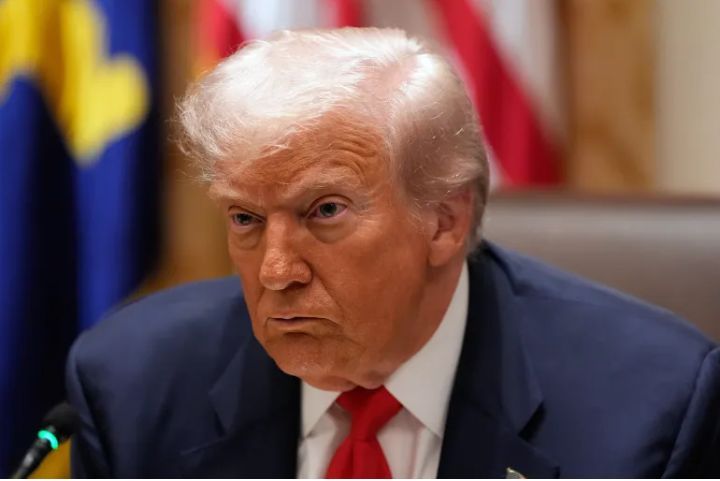
Observers across Washington are closely monitoring the proceedings, anticipating that any formal indictment could trigger additional scrutiny of other former officials who have handled sensitive government records.
Ultimately, the potential indictment of John Bolton underscores the challenges of navigating legal, political, and ethical considerations in cases involving former national security officials.