

Why Egbetokun resigned as IG
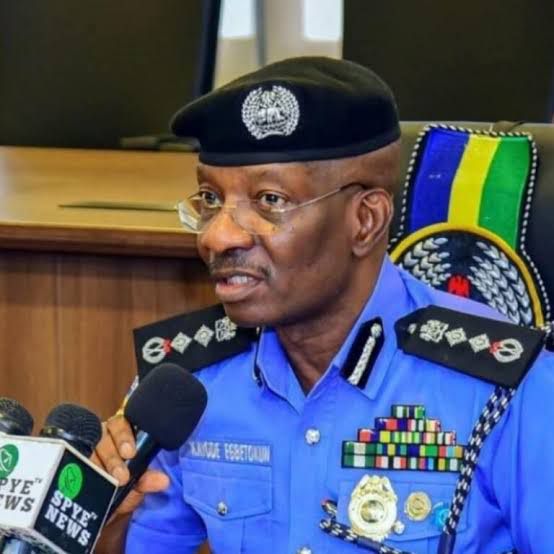
The Presidency on Tuesday confirmed the resignation of Kayode Egbetokun as Inspector-General of Police, stating that the former police chief stepped down to address pressing family matters requiring his full attention.
However, multiple sources within the Presidential Villa disclosed that the development followed a closed-door meeting with President Bola Tinubu on Monday evening, raising fresh questions about the broader circumstances surrounding the leadership change at the apex of the Nigeria Police Force.
The Special Adviser to the President on Information and Strategy, Bayo Onanuga, confirmed the resignation in response to media inquiries. According to him, Egbetokun tendered his resignation in a formal letter, citing family issues.
Yet, insiders familiar with the matter indicated that the meeting at the Presidential Villa was not routine. One senior official, who requested anonymity due to the sensitivity of the issue, said the former IGP was specifically summoned and advised to step aside.
A high-stakes Villa meeting
Eyewitness accounts placed Egbetokun’s official vehicle at the State House around 6:40 pm on Monday. Dressed in his black uniform, he reportedly entered the Villa at about the same time governors were arriving for an interfaith Iftar hosted by the President.
Security sources later confirmed that the police chief returned to the Villa premises later in the evening, with his vehicle subjected to security checks by operatives of the Department of State Services.
While the Presidency maintains that the resignation was voluntary, the timing of the announcement—coming amid heightened security concerns nationwide—has fuelled speculation about a strategic recalibration within the administration’s security architecture.
Mounting security pressures
Egbetokun, who was appointed IGP on June 19, 2023, succeeded Usman Alkali Baba following the expiration of the latter’s tenure. Before his appointment, he served as Deputy Inspector-General in charge of the Force Criminal Investigations Department.
His tenure coincided with a period marked by rising incidents of kidnapping, banditry, and terrorist attacks across several states. Notable cases included the abduction of hundreds of schoolchildren in Niger State in late 2025, violent attacks in rural communities in the North-Central, and persistent kidnappings along major highways.
Security analysts note that public confidence in law enforcement has been under strain, with increasing calls for structural reforms, including decentralised policing.
Just hours before confirmation of the resignation, President Tinubu reiterated his administration’s commitment to establishing state police. Speaking during the Iftar with governors, the President declared that security remains foundational to national prosperity and insisted reforms would not be delayed.
Observers suggest that the resignation of Egbetokun may signal a broader shift toward implementing those reforms.
Reform agenda and political signals
The conversation around state police has long divided policymakers and security stakeholders. Advocates argue that decentralised policing would enable faster response times and improve intelligence gathering at the grassroots level.
Critics, however, warn about the risk of politicisation by state governments.
The Presidency’s emphasis on security sector transformation aligns with its wider governance agenda. Analysts say leadership changes at the top of the police hierarchy often reflect evolving priorities, especially during periods of heightened insecurity.
Although no official reason beyond “family matters” has been provided, insiders believe the resignation underscores the administration’s desire to demonstrate responsiveness to public concerns.
Institutional continuity and transition
The Nigeria Police Force, as one of the country’s primary internal security institutions, operates within a complex national security framework that includes the armed forces and intelligence agencies. Leadership transitions at this level are therefore closely monitored by both domestic and international observers.
Experts caution that maintaining institutional continuity during such transitions is critical to preventing operational disruptions. They also emphasise the need for clear communication to reassure citizens and rank-and-file officers.
The Presidency has yet to announce a substantive successor, though indications suggest that an acting appointment may be made pending confirmation procedures.
Beyond the immediate political and security implications, Egbetokun’s departure reflects the pressures inherent in managing a national security apparatus in a country confronting multifaceted threats—from organised crime and insurgency to communal conflicts.
Policy watchers argue that sustainable security reform will require more than leadership changes. Investment in training, improved intelligence coordination, technological upgrades, and strengthened community engagement remain central to long-term stability.
For now, the official narrative remains that Kayode Egbetokun resigned voluntarily due to family commitments. Nevertheless, the context of the resignation—coming amid intensified scrutiny of the nation’s security framework—ensures that the development will continue to attract analysis.
As Nigeria navigates a challenging security landscape, the transition at the helm of the police force marks a significant moment in the Tinubu administration’s evolving strategy to address insecurity and restore public confidence.
About The Author


