

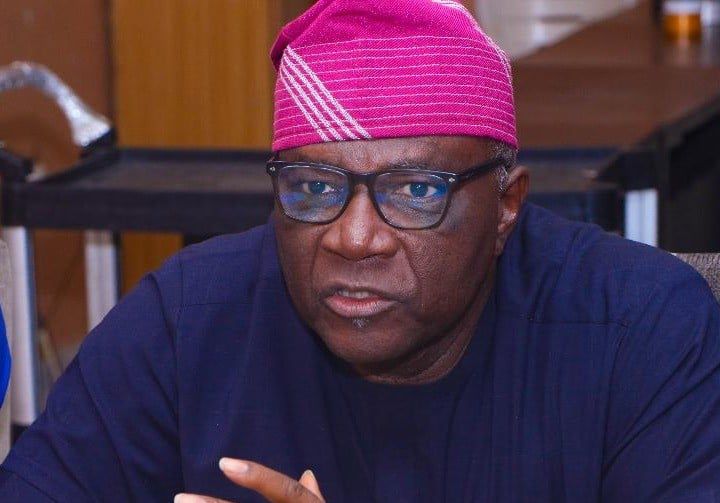
The Presidency has questioned Peter Obi’s one-term promise ahead of the 2027 election, with Bayo Onanuga citing past political defections.
Former Labour Party presidential candidate, Peter Obi, has again become the centre of political debate following criticism from the Presidency over his reported promise to serve only one term if elected president in the 2027 general election.
The latest controversy began after presidential spokesman, Bayo Onanuga, openly questioned the credibility of Obi’s political promises.
According to him, the former Anambra State governor has a long history of changing political platforms despite previous pledges of loyalty.
In a strongly worded post shared on X, formerly Twitter, Onanuga argued that Nigerians should be careful about trusting the alleged one-term commitment made by Peter Obi ahead of the next presidential race.
The presidential aide stated that Obi’s political record reflects frequent defections and shifting alliances.
According to him, Peter Obi once assured members of the All Progressives Grand Alliance that he would remain permanently loyal to the party after emerging governor of Anambra State under its platform.
He further recalled that Obi reportedly made similar commitments to the late APGA leader, Chukwuemeka Odumegwu Ojukwu.
However, Onanuga maintained that those promises did not last, as Obi eventually left APGA and joined the Peoples Democratic Party.
He claimed the move raised doubts about the consistency of the former governor’s political commitments.
The presidential spokesman also described Peter Obi as a “political rolling stone,” insisting that his movement across different parties over the years has weakened public confidence in his assurances.
According to him, Obi’s latest promise regarding a single presidential term should not automatically be accepted without scrutiny.
RELATED NEWS:
“ADC looks finished” — Godswill Akpabio reacts as defections shake Senate
NDC zones 2027 presidential ticket to South amid opposition coalition
Peter Obi, however, remains one of Nigeria’s most influential opposition figures despite the criticism.
Since contesting the 2023 presidential election under the Labour Party, the former governor has continued to enjoy significant support among young Nigerians and urban voters.
Many of his supporters believe the attacks from the Presidency show that the opposition politician remains a major factor ahead of the 2027 election.
Political observers also note that discussions around coalition-building among opposition leaders have increased in recent months, with Peter Obi repeatedly mentioned as a key figure in possible alliances.
Although Obi has not officially declared his intention to contest in 2027, reports linking him with opposition consultations and strategic meetings have continued to fuel speculation across the political landscape.
Analysts believe his next political move could reshape opposition politics before the next election cycle.
The debate over the Peter Obi one-term promise has also generated mixed reactions online.
While critics argue that politicians should be judged by their past actions, supporters insist that changing parties is common in Nigerian politics and should not automatically define a leader’s credibility.
Some commentators have equally pointed out that several prominent politicians in Nigeria, including former governors and presidential candidates, have switched political parties at different stages of their careers.
They argue that the real issue should focus on leadership capacity, policies, and performance rather than party movement alone.
Others, however, insist that consistency and loyalty remain important qualities in national leadership.
According to them, political promises carry more weight when leaders maintain stable relationships with their parties and supporters over time.
The renewed argument surrounding Peter Obi comes at a time when political activities ahead of 2027 are gradually gaining momentum across the country.
Major political camps are already positioning themselves while opposition groups continue consultations aimed at challenging the ruling government in the next presidential contest.
Despite the criticism from the Presidency, Peter Obi has yet to directly respond to Onanuga’s latest remarks.
Nonetheless, the exchange has once again pushed the former Labour Party candidate into national political conversations, reinforcing his relevance within Nigeria’s evolving political environment.
As discussions around the 2027 election continue to grow, political analysts believe issues surrounding trust, loyalty, and credibility will remain central topics among voters.
Whether the Peter Obi one-term promise strengthens or weakens his political standing may largely depend on how Nigerians interpret his past political decisions in the coming months.
Ireport247news
https://shorturl.fm/i2Sru