Seven people have been arrested in the Philippines following a wide-ranging corruption scandal investigation, Philippine President Ferdinand Marcos Jr announced, linked to “ghost” flood control projects worth billions in public funds.
The arrests are part of ongoing proceedings in the Sandiganbayan court, tasked with prosecuting government officials and private contractors accused of embezzling money from critical infrastructure projects nationwide.
Marcos said the scandal involved billions of pesos in losses, estimated at 118.5 billion pesos ($2bn), prompting public outrage and mass protests in Manila demanding immediate accountability from officials.
“Injustice anywhere is a threat to everyone,” Marcos said, adding that authorities are determined to pursue all suspects, regardless of their political connections or social standing in the Philippines.
Two suspects have reportedly indicated willingness to surrender, while seven others remain at large, forcing authorities to issue international warrants and warnings against assisting fugitives in hiding abroad.
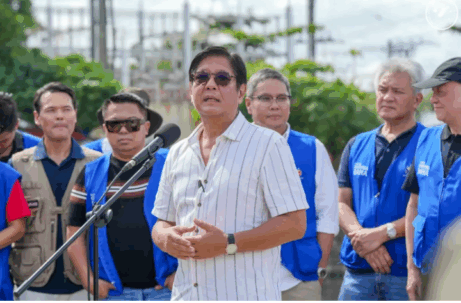
Interior Secretary Jonvic Remulla emphasized, “No matter where you are, we will find you,” highlighting the government’s determination to hold fugitives accountable under Philippine and international law.
Among those implicated is Zaldy Co, former House of Representatives member, whose family owns Sunwest Corporation, contracted for a dike project on Mag-asawang Tubig River in Oriental Mindoro province.
The Oriental Mindoro project, worth 289 million pesos ($4.9m), is the first to be scrutinized by the Sandiganbayan court, marking the beginning of what officials promise will be numerous high-profile corruption trials.
Rappler reported eight Department of Public Works and Highways officials have already been taken into custody, including two regional directors, an engineer, and a bidding and awards committee accountant linked to project mismanagement.
Marcos has vowed that dozens more criminal cases will target senators, representatives, and wealthy construction company owners, emphasizing, “We will jail the guilty before Christmas,” signaling zero tolerance.
Protests over ghost flood control projects have been intense, driven by reports of mansions, luxury cars, and private jets owned by suspects whose misappropriated funds were intended to protect vulnerable communities.
An upcoming demonstration on November 30, supported by the Roman Catholic Church, underscores widespread societal outrage over the diversion of resources for critical flood control infrastructure.
Representative Martin Romualdez, the president’s cousin, is implicated but denies involvement, stepping down as House Speaker to allow investigations to proceed unhindered while maintaining his political role cautiously.
Former Senate President Francis Escudero has also been accused of pocketing kickbacks from flood-related projects. Escudero has strongly denied wrongdoing, highlighting the contentious political climate surrounding these cases.
The Philippines, composed of 7,641 islands, is extremely vulnerable to flooding. Residents of poorer communities stress that corruption in infrastructure projects has left them without vital protection from recurring disasters.
In recent weeks, two super typhoons killed over 250 people, displacing thousands, revealing the deadly consequences of corrupt ghost flood control projects that left communities unprepared and exposed.
Experts warn that climate change is causing more severe storms and rising sea levels, making robust flood control and transparent governance increasingly critical to protect the nation’s vulnerable populations.
Marcos announced the formation of a commission two months ago to investigate ghost flood control projects after public outrage surged, highlighting the administration’s commitment to anti-corruption reforms.
“The law will catch up with anyone attempting to hide from justice,” Marcos said, emphasizing that authorities are determined to pursue suspects both domestically and internationally.
The Department of Public Works and Highways has pledged full cooperation with ongoing investigations, signaling institutional support for the Sandiganbayan court’s pursuit of justice in multiple high-profile corruption cases.
Thousands of citizens have protested in recent months, raising banners demanding resignations and transparent investigations. Citizens’ demands underscore that the Philippine President Marcos says seven arrested over corruption scandal is only the beginning.
Critics argue that previous flood control projects failed due to systemic corruption, emphasizing the urgency of reforming both governance structures and disaster management to prevent future calamities.
The lavish lifestyles of suspects, often flaunted on social media, have fueled anger across communities, reinforcing calls for public officials and contractors to be held accountable for ghost flood control projects.
International attention has grown, with neighboring Southeast Asian countries observing the Philippines’ handling of corruption, noting the potential impact on regional disaster preparedness and governance credibility.
Marcos has indicated that the arrests will continue, stressing that high-profile cases will ensure no official or contractor, regardless of influence, will escape justice in ghost flood control project investigations.
The public’s trust in government has been shaken by reports of misappropriated funds, but Marcos insists that the Philippine President Marcos says seven arrested over corruption scandal will restore confidence through transparency.
Authorities are closely monitoring the movements of fugitives abroad, coordinating with embassies in the United States, New Zealand, and Jordan to facilitate surrenders and ensure suspects face prosecution in Philippine courts.
Protest organizers have praised the government’s efforts but remain vigilant, warning that public pressure is necessary to prevent delays or interference in ghost flood control project prosecutions.
“The Filipino people demand accountability, and we will not back down,” Marcos stated, reinforcing his administration’s commitment to eradicating corruption and ensuring that misappropriated funds are traced and recovered.
Officials emphasize that more arrests are forthcoming, signaling a crackdown that will likely extend to officials at all levels, reinforcing that ghost flood control projects will no longer be a safe avenue for embezzlement.
As communities recover from typhoon destruction, the focus remains on rebuilding infrastructure effectively and transparently, ensuring funds reach intended flood control projects rather than lining the pockets of corrupt officials.

Marcos concluded, “Justice will find you no matter where you hide,” reinforcing the administration’s determination to pursue accountability and prevent recurrence of scandals affecting public safety and national development.
About The Author