

Nigeria’s reliance on imported Premium Motor Spirit (PMS) has once again come under scrutiny as oil marketers blame the persistent dormancy of government-owned refineries for the surge in fuel imports recorded in recent months.
Despite repeated assurances of rehabilitation, the refineries operated by the Nigerian National Petroleum Company Limited (NNPC) have failed to complement domestic supply, leaving the country heavily dependent on imports to meet rising consumption.
Data from the Nigerian Midstream and Downstream Petroleum Regulatory Authority (NMDPRA) show that Nigeria imported no fewer than 1.5 billion litres of petrol in November alone, even as the privately owned Dangote Petroleum Refinery remained the only major local producer of PMS.
Marketers argue that this trend underscores deep structural weaknesses in Nigeria’s downstream sector and highlights the cost of years of unproductive investment in state-owned refining assets.
Industry stakeholders maintain that the Port Harcourt, Warri and Kaduna refineries, if operational, would have significantly reduced the need for large-scale importation, especially during peak demand periods.
Petrol Imports in Nigeria Surge Amid Refinery Dormancy
The scale of petrol imports in Nigeria reached a new high in November, with regulatory data indicating that import licences were issued for up to 52 million litres per day.
This marked the largest monthly import volume since the Dangote refinery began petrol production in September 2024.
In the same month, Dangote’s $20bn Lekki refinery supplied about 19.5 million litres daily, translating to roughly 585 million litres for the entire month.
While the output represented a significant boost to local refining capacity, it fell short of national demand, which typically spikes toward the end of the year due to increased travel, festivities and commercial activities.
The NMDPRA explained that import approvals were largely influenced by supply shortfalls recorded in preceding months.
In September, local supply from Dangote averaged 17.6 million litres per day, while imports accounted for 22.1 million litres daily.
October saw a similar pattern, with Dangote’s output dipping slightly to 17.1 million litres per day, forcing importers to bring in nearly 28.9 million litres daily.
According to the regulator, the import licences were granted to prevent fuel scarcity, stabilise prices and build sufficient stock ahead of the festive season.
It also disclosed that several cargoes scheduled to discharge in October were delayed into November, further inflating import figures for the month.
Marketers Point Fingers at NNPC Refineries
Oil marketers insist that the surge in imports would have been unnecessary if the NNPC-managed refineries were operational.
The National Publicity Secretary of the Independent Petroleum Marketers Association of Nigeria (IPMAN), Chinedu Ukadike, described the situation as avoidable, arguing that Nigeria has the installed capacity to significantly cut its dependence on foreign fuel.
Ukadike said the Petroleum Industry Act envisages a future where importation becomes unnecessary once domestic refining meets local demand.
According to him, the regulatory authority would not have approved large-scale imports if government-owned refineries were contributing meaningfully to supply.
He stressed that the inability of the Port Harcourt, Warri and Kaduna refineries to produce petrol has left regulators with little choice but to rely on imports to prevent shortages and price spikes.
In his view, imports remain a stopgap measure to cushion supply gaps rather than a sustainable long-term strategy.
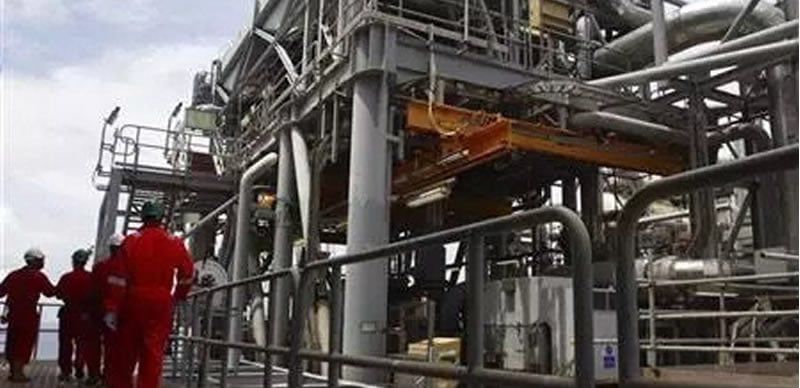
As frustration mounts, marketers have intensified calls for decisive government intervention. IPMAN urged President Bola Ahmed Tinubu to declare a state of emergency on the three refineries to fast-track their revival and ensure accountability.
Ukadike argued that emergency status would elevate refinery rehabilitation to a national priority, compelling all stakeholders to deliver results within a defined timeline.
He added that functioning refineries would foster competition, stabilise fuel prices and strengthen the naira by reducing foreign exchange pressure from imports.
Similarly, the President of the Petroleum Products Retail Outlet Owners Association of Nigeria (PETROAN), Billy Gillis-Harry, said Nigeria’s petrol import bill would fall sharply if government-owned refineries were producing alongside private plants.
According to him, while imports remain necessary to keep the economy running, they should not be the default option in a country that has invested heavily in refining infrastructure.
Gillis-Harry called on the government to “up its game” and ensure that rehabilitation projects deliver tangible outcomes.
The continued reliance on petrol imports in Nigeria has also reignited criticism over the billions of dollars spent on refinery rehabilitation over the years.
Industry data indicate that $1.4bn was approved for the Port Harcourt refinery in 2021, while $897m and $586m were allocated to the Warri and Kaduna refineries, respectively.
In addition, about N100bn was reportedly spent on refinery rehabilitation in 2021 alone, alongside hundreds of millions of dollars expended on turnaround maintenance between 2013 and 2017.
Despite these investments, the refineries remain largely idle, raising questions about governance, transparency and project execution.
The shutdown of the Port Harcourt refinery barely six months after it was declared operational, and the brief reopening of the Warri refinery before another closure, have further eroded public confidence.
The new Group Chief Executive Officer of NNPC Limited, Bayo Ojulari, has acknowledged the challenges and announced a comprehensive technical and commercial review of the refineries.
According to him, the assessment will determine whether the facilities should be overhauled or repurposed to improve efficiency and profitability.
Ojulari said NNPC plans to engage technical equity partners with proven expertise in refinery operations as part of a broader strategy to reposition the assets as sustainable, revenue-generating facilities.
He described the review as the beginning of a new chapter for Nigeria’s refining sector.
As Nigeria seeks to balance energy security with deregulation and private sector participation, analysts warn that continued dependence on imports exposes the economy to global price volatility and foreign exchange risks.
For many stakeholders, resolving the refinery crisis remains central to reducing petrol imports, stabilising prices and restoring confidence in the country’s downstream petroleum sector.
About The Author


