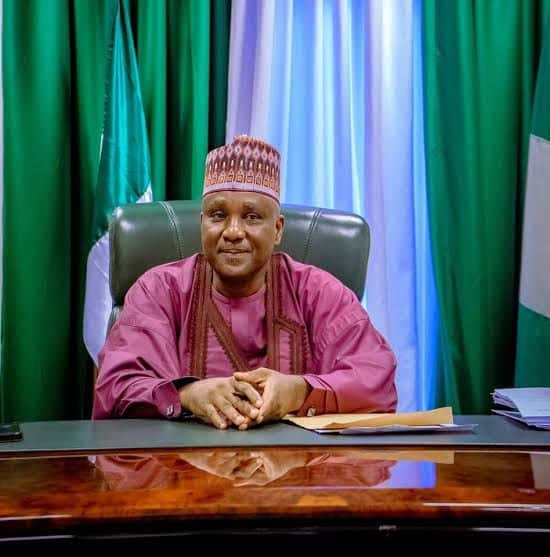
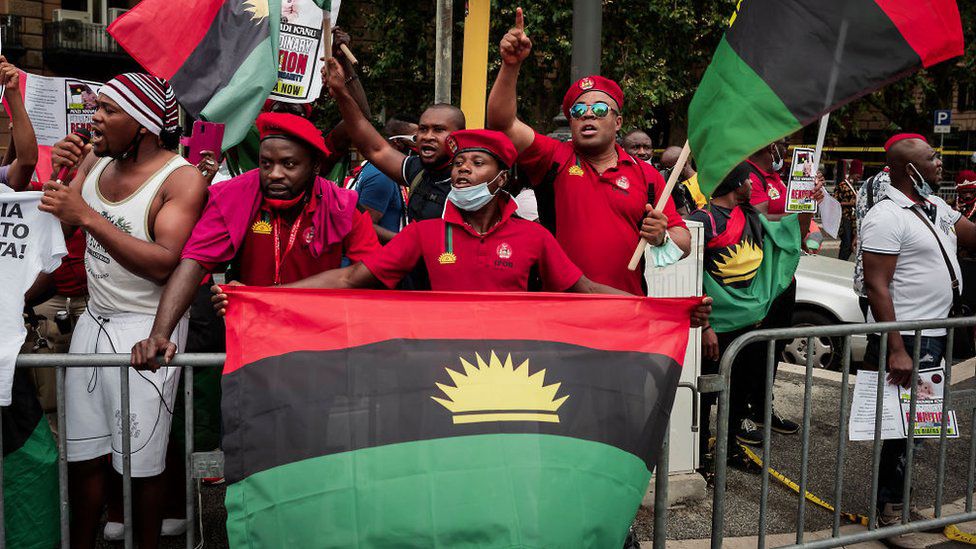
The PDP crisis deepens as Wike’s faction suspends Acting Chairman Umar Damagum and NWC members over misconduct, appointing Abdulrahman as interim leader.
The PDP crisis has reached a new peak as a faction loyal to the Minister of the Federal Capital Territory, Nyesom Wike, announced the suspension of the Acting National Chairman, Ambassador Umar Damagum, alongside several senior officials of the People’s Democratic Party (PDP).
The faction’s decision underscores the deepening division within the opposition party and highlights growing tensions over leadership and accountability.
The announcement was made in Abuja on Saturday by Senator Samuel Anyanwu, the National Secretary of the party, who himself had earlier been suspended by the National Working Committee (NWC) for alleged anti-party activities.A
ddressing journalists, Anyanwu said the faction’s action was aimed at restoring discipline and credibility to the party amid mounting allegations of incompetence and financial mismanagement.
“We have decided to suspend the Acting National Chairman, Ambassador Ilya Damagum, for incompetence, financial misconduct, and disregard for court judgments,” Anyanwu stated.
“He has been suspended for one month and must appear before the Disciplinary Committee to defend himself.”

According to the Wike-backed camp, the ongoing PDP crisis is rooted in leadership failures and a lack of transparency among key party executives.
Anyanwu further revealed that the faction has appointed Mohammed Abdulrahman, the National Vice Chairman (North Central), as the new Acting National Chairman pending the outcome of investigations.
In what appears to be a sweeping disciplinary purge, the faction also suspended five other members of the NWC for alleged misconduct.
Those affected include National Publicity Secretary, Debo Ologunagba; Deputy National Chairman (South), Taofeek Arapaja; National Financial Secretary, Daniel Woyenguikoro; National Youth Leader, Sulaiman Kadade; and Deputy National Secretary, Setonji Koshoedo.
“The National Publicity Secretary, Debo Ologunagba, is suspended for issuing unauthorized statements on behalf of the party,” Anyanwu said.
“Similarly, the Deputy National Chairman (South), Taofeek Arapaja, and the National Financial Secretary, Daniel Woyenguikoro, are being suspended for alleged financial infractions. The National Youth Leader and the Deputy National Secretary are also suspended for 30 days.”
All six suspended officers, including Damagum, are to face the party’s Disciplinary Committee to justify their actions and explain why they should not be expelled.
Anyanwu emphasized that the faction’s decision was not politically motivated but a necessary response to what he called “the decay of discipline and accountability” within the PDP.
He accused some party executives of prioritizing personal interests over the collective welfare of the party, thus contributing to the worsening PDP crisis.
“Unfortunately, those entrusted with protecting the party’s constitution have become its biggest violators,” he lamented.
“The National Legal Adviser and National Organising Secretary, whose duties include ensuring compliance with due process, have failed to uphold their responsibilities.”
The announcement has sparked fresh controversy within the PDP, with loyalists of the suspended officials rejecting the move as illegal and unconstitutional.
They argue that only the National Executive Committee (NEC), not any faction has the authority to discipline or suspend national officers.
A senior party official who spoke on condition of anonymity said: “This is purely an internal power play. The PDP constitution does not empower any group of individuals to suspend national officers. What you are seeing is the latest escalation in the ongoing PDP crisis, which has been fueled by personal rivalries and political ambitions.”
Political analysts believe the development could mark a major turning point for the PDP. The factional struggle between camps loyal to Nyesom Wike and those aligned with other senior figures such as former Vice President Atiku Abubakar has left the party deeply divided since the 2023 general elections.
Observers also note that Wike’s influence in the PDP remains significant despite serving in President Bola Ahmed Tinubu’s administration.
His allies within the party have become increasingly assertive, challenging the authority of the existing NWC and demanding reforms that could reshape the PDP’s internal structure.
The current PDP crisis reflects broader instability within Nigeria’s opposition landscape, where personality clashes and leadership disputes have hindered unity and effectiveness.
Analysts warn that if left unresolved, the crisis could weaken the PDP’s position as the country’s main opposition party ahead of future elections.
Dr. Musa Akintola, a political analyst, said the party’s internal conflict reveals deeper ideological fractures.
“The PDP crisis is not just about leadership; it’s about control, loyalty, and the future direction of the party,” Akintola explained.
“Unless there is genuine reconciliation, the PDP risks losing more members and credibility before the next electoral cycle.”
The suspension of Damagum and his allies also raises legal and procedural questions about the legitimacy of any decisions made by either faction.
With both camps issuing conflicting statements and claiming to represent the authentic leadership of the PDP, confusion continues to reign among party members and supporters nationwide.
Meanwhile, calls for reconciliation are growing louder. Some elder statesmen within the PDP are reportedly working behind the scenes to broker peace between the opposing factions.
They warn that prolonged division could further damage the party’s image and erode public confidence in its ability to provide effective opposition to the ruling All Progressives Congress (APC).
For now, the appointment of Mohammed Abdulrahman as Acting National Chairman appears to have intensified rather than resolved the party’s leadership dispute.
The PDP crisis has once again exposed the fragility of internal democracy in Nigeria’s political system, where loyalty and factional interest often override institutional discipline.
Unless urgent steps are taken to restore unity, the People’s Democratic Party may face one of the toughest challenges in its history — a challenge that could determine its survival and relevance in the years ahead.
More news at ireport247news
About The Author