The Papua New Guinea Starlink shutdown has triggered widespread anger as communities, businesses and essential services struggle after the government ordered the satellite provider offline.
Frustration has grown nationwide since authorities halted Starlink operations, leaving thousands without reliable internet in remote regions where alternatives remain scarce or unaffordable.
The shutdown followed a mid-December directive from the National Information and Communications Technology Authority, which said Starlink lacked the required licence to operate legally.
Nicta’s acting chief executive, Lume Polume, said services could not continue until legal processes were completed and proper authorisation was formally granted.
Officials stressed that regulatory compliance was essential, arguing that all telecommunications providers must meet national requirements before offering services to consumers.
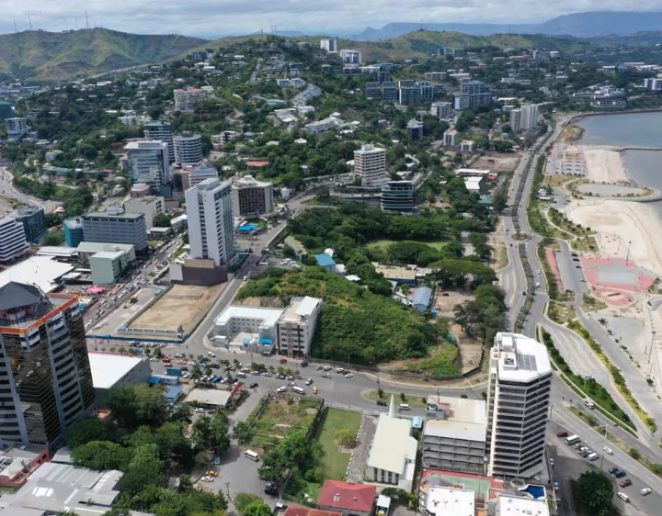
However, the Papua New Guinea Starlink shutdown has highlighted long-standing weaknesses in national connectivity, particularly outside major urban centres such as Port Moresby.
Starlink, owned by Elon Musk’s SpaceX, had become a vital lifeline for rural communities previously disconnected from stable and affordable internet access.
Telecommunications analysts estimate thousands relied on Starlink terminals, with some entire villages using the service as their primary connection to the digital world.
Mobile networks in many rural areas are unreliable or nonexistent, while alternative satellite services often cost far more than ordinary households can afford.
As a result, the Papua New Guinea Starlink shutdown has disrupted commerce, education, healthcare delivery and basic communication across vast parts of the country.
Small business owners say online payments, customer outreach and supply coordination have all been severely affected by the sudden loss of connectivity.
Former Maprik MP and businessman John Simon criticised the decision, saying it ignored the daily struggles of ordinary people and small enterprises.
“This is really bad for this country,” Simon said, arguing that Starlink offered the cheapest and fastest option for people long excluded from digital services.
He said years of expensive and slow internet had already burdened citizens, making the shutdown feel like a step backwards for national development.
The Papua New Guinea Starlink shutdown has also placed pressure on students, particularly those in remote provinces preparing for academic placements.
Teachers report students now struggle to check examination results or receive selection information, tasks that had become possible only through Starlink access.
Simon Jack, a high-school teacher in Southern Highlands province, said many students had relied exclusively on Starlink for online academic information.
Health workers have voiced similar concerns, warning that disrupted communications could endanger patients needing urgent medical attention.
Theresa Juni, a health worker in East Sepik province, said Starlink enabled quick reporting and consultations with doctors based in larger towns.
She said delays caused by the shutdown now force staff to travel long distances or wait days to transmit critical patient information.
The Papua New Guinea Starlink shutdown has therefore raised alarms about public safety, particularly in isolated regions with limited transport infrastructure.
An online petition calling for Starlink to be allowed to operate legally has attracted hundreds of signatures from frustrated users across the country.
Petitioners argue that regulatory issues should be resolved without cutting off essential services relied upon by communities and frontline workers.
Starlink said in an email to customers that it hoped to resume providing internet once approvals were granted, but offered no specific timeline.
The company did not respond publicly to requests for comment, adding to uncertainty surrounding the future of satellite internet in Papua New Guinea.
Nicta said it is now awaiting guidance from the ombudsman or courts on whether Starlink will receive a licence to operate.
No timeframe has been provided, leaving users uncertain about how long the Papua New Guinea Starlink shutdown will continue.
The country’s communications minister declined to comment, further fuelling public frustration over the lack of clarity from government leaders.
The situation mirrors earlier regional disputes, including in Tonga, where Starlink was ordered to halt operations pending licensing approval.
In Tonga, the shutdown followed infrastructure damage caused by natural disasters, intensifying criticism from communities reliant on satellite connectivity.
Observers say the Papua New Guinea Starlink shutdown exposes a broader tension between regulatory enforcement and urgent development needs.
Papua New Guinea’s challenging geography has long complicated efforts to expand traditional telecommunications infrastructure nationwide.
Satellite internet had been seen as a practical solution to bridge digital divides across mountains, islands and remote inland communities.
Critics argue that while regulation is necessary, abrupt service suspensions risk undermining trust in digital innovation and investment.
Supporters of the shutdown insist national laws must be respected, warning that unlicensed operators could set dangerous precedents.
Yet many citizens believe the human cost of the Papua New Guinea Starlink shutdown outweighs bureaucratic concerns over paperwork and process.
As legal proceedings continue, communities remain caught between regulatory caution and the immediate need for reliable connectivity.
Read also: Maduro tells US court he was kidnapped after Venezuela raid
For now, the shutdown has become a symbol of broader struggles over development, governance and access in Papua New Guinea.
Until a decision is reached, the Papua New Guinea Starlink shutdown continues to shape daily life for thousands across the country.