


Amid Trump’s CPC label for Nigeria, questions arise about Christians’ safety in Northern Nigeria, freedom of speech, and the response to religious killings
Recent comments by U.S. President Donald Trump labelling Nigeria as a “Country of Particular Concern” (CPC) over the killing of Christians have reignited intense debates on religious freedom and interfaith relations in Nigeria.
While banditry and insurgency dominate headlines, underlying religious tensions, particularly between Muslims and Christians in Northern Nigeria, have drawn increasing scrutiny.
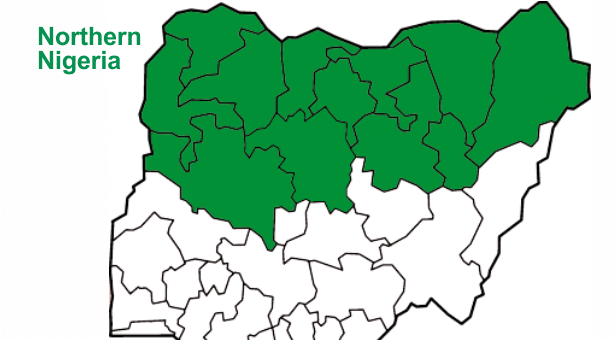
Social media has become a battleground, with Nigerian Muslims defending their faith and actions, raising critical questions about the safety and freedom of expression for Christians in the northern regions of the country.
Historical Context of Religious Violence in Northern Nigeria
Northern Nigeria, predominantly Muslim, has witnessed a long history of religious and ethnic tensions.
Blasphemy accusations, in particular, have often led to violent outcomes. While incidents of banditry and terrorism are frequently reported, religiously motivated violence remains a sensitive and recurring issue.
A notable case highlighting this dynamic occurred on 12 May 2022, when Deborah Samuel Yakubu, a second-year Christian college student in Sokoto State, was brutally stoned to death by a mob of Muslim students after being accused of blasphemy against Islam.
Her death sparked outrage among Christian communities, yet religious authorities and political leaders largely remained silent, failing to publicly condemn the act or offer support to her grieving family.
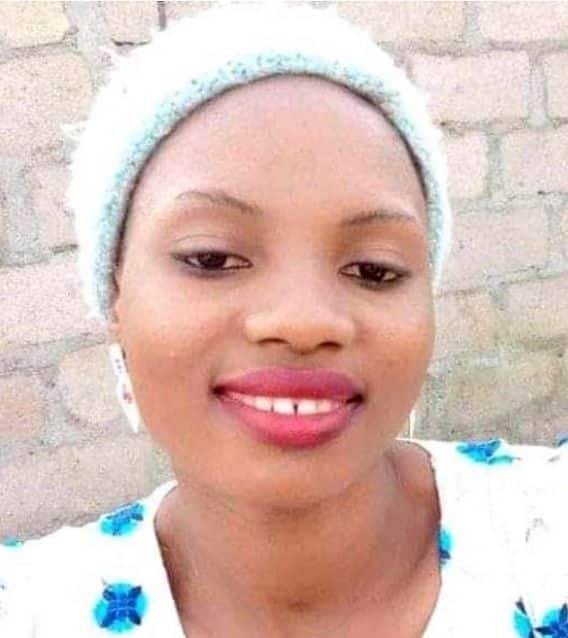
This incident raises concerns about the protection of Christians and the ability to freely express dissenting religious views in Northern Nigeria.
Current Reactions on Social Media
In response to the CPC designation and international scrutiny, many Nigerian Muslims have taken to social media to defend their religion and challenge external perceptions of Northern Nigeria.
Advocates argue that the majority of Muslims in the region are peaceful and that violent acts are perpetrated by extremists, not representative of mainstream Islamic teachings.
This defense, however, has also intensified discussions about the safety of religious minorities. Christians in Northern Nigeria often face restrictions on their freedom of speech, especially regarding criticism of Islam.
Accusations of blasphemy, even unproven, can result in mob justice or prolonged legal consequences under Sharia-influenced local laws in some states.
Safety Concerns for Christians
The key question arises: Are Christians safe in Northern Nigeria? While the majority of residents coexist peacefully, recurring violent incidents and targeted attacks reveal a precarious environment for religious minorities.

Freedom of Speech: Christians expressing dissenting views or criticizing Islam risk social ostracism, legal action, or physical violence.
Legal and Religious Protections: The lack of consistent intervention by local authorities and religious leaders undermines trust and leaves Christians vulnerable.
Community Tensions: Sporadic attacks, often fueled by accusations of blasphemy, contribute to a climate of fear and limit interfaith dialogue.
International Perspective and Implications
The U.S. CPC designation emphasizes the global concern for religious freedom in Nigeria.
The label is based on evidence of systematic violations against Christians, including killings, abductions, and societal intimidation.
While Nigerian Muslims defend themselves online, the international community continues to scrutinize whether authorities can ensure equal protection for all religious groups.
Experts suggest that meaningful protection of religious minorities requires:
1. Stronger legal frameworks ensuring accountability for mob violence.
2. Public condemnation of violence by religious leaders, regardless of faith.
3. Educational initiatives promoting interfaith understanding and tolerance.
4. Transparent investigations into all blasphemy-related killings.
Final thoughts
While social media campaigns by Nigerian Muslims defend the integrity of Islam, the safety of Christians in Northern Nigeria remains a critical concern.
The tragic death of Deborah Samuel Yakubu and similar incidents highlight gaps in protection, enforcement, and interfaith understanding.
Freedom of speech and religious expression for Christians is not guaranteed in certain areas, raising both domestic and international questions about human rights and justice.
True coexistence will depend on proactive engagement by religious leaders, transparent governance, and a collective commitment to upholding the rights and safety of all citizens, irrespective of faith.
Until then, Christians in Northern Nigeria continue to navigate an environment where freedom of expression can carry severe, even lethal, risks.
More news at ireport247news
About The Author


