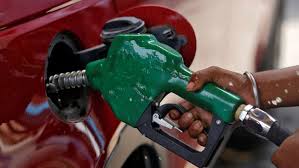

The Nigerian National Petroleum Company Limited (NNPCL) has reportedly reduced the petrol pump price to N860 per litre, according to marketers.
This development comes after the Dangote Refinery announced a price cut last week, reducing its ex-depot petrol price from N890 to N825 per litre.
Some retail outlets belonging to NNPCL in Lagos have already adjusted their pumps to reflect the new price, down from N945 as of Sunday. However, there has been no official communication from NNPCL Retail yet.
The National Vice President of the Independent Petroleum Marketers Association of Nigeria, Hammed Fashola, confirmed the development, stating that NNPC is selling petrol at N860 in filling stations, although this has not been reflected on the portal yet.
The reduction in petrol price is expected to have a positive impact on the petroleum market, as it will lead to a decrease in the cost of transportation and other related expenses. This, in turn, may lead to a reduction in the prices of goods and services in the country.
The Dangote Refinery’s price cut last week was seen as a major development in the petroleum market, as it set a new price regime for petrol in Nigeria. The refinery’s decision to reduce its ex-depot price was reportedly due to the decline in global crude oil prices.
NNPCL’s pricing strategy has been a subject of debate in recent times, with many stakeholders calling for a review of the company’s pricing template. The company has been accused of setting high prices for petrol, which has led to a increase in the cost of living for many Nigerians.
However, NNPCL has maintained that its pricing strategy is based on a number of factors, including the cost of production, transportation, and marketing. The company has also stated that it is committed to ensuring that petrol is available at affordable prices to Nigerians.
The reduction in petrol price by NNPCL is a welcome development, as it will lead to a decrease in the cost of transportation and other related expenses. However, it is important for the company to ensure that its pricing strategy is transparent and reflective of the current market realities.
As the petroleum market continues to evolve, it is essential for stakeholders to work together to ensure that petrol is available at affordable prices to Nigerians.
This can be achieved through a combination of factors, including a review of the pricing template, investment in infrastructure, and the promotion of competition in the market.
About The Author