
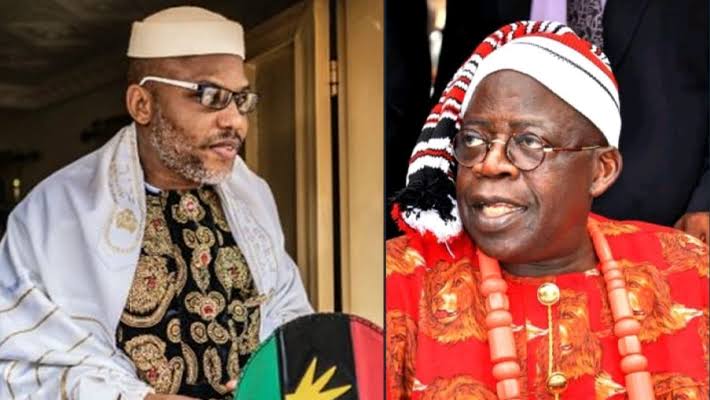

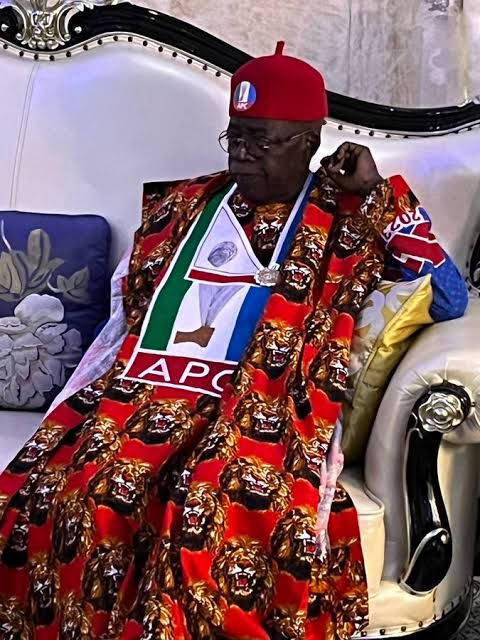
George Agbakahi, a chieftain of the All Progressives Congress (APC) and the leading figure of the South East Tinubu Support Group, recently spoke about the political landscape in Nigeria’s South East region.
During an interview on Arise Television’s Morning Show on Friday, he underscored the pivotal role that the potential release of Nnamdi Kanu—the leader of the Indigenous People of Biafra (IPOB)—could play in shaping President Bola Tinubu’s chances of securing reelection in the region.
Agbakahi began by highlighting the tangible achievements of the Tinubu administration, especially its focus on reviving and expanding infrastructure across the South East.
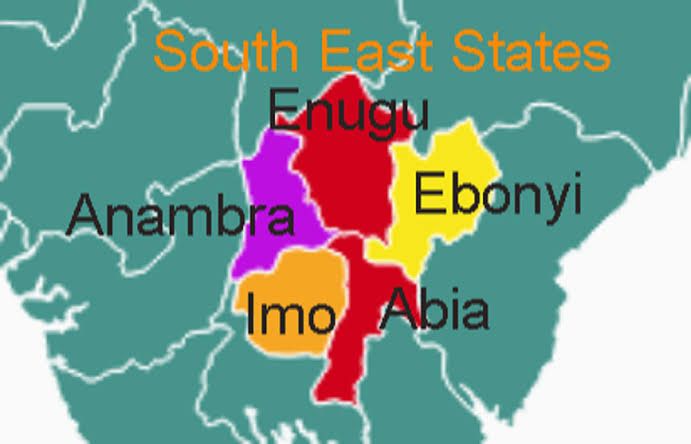
According to him, this area has historically been neglected, with key economic arteries and roads left to deteriorate over many years under previous governments. He emphasized that the current administration has made significant investments aimed at reversing this trend and boosting the economic vitality of the region.
He pointed to the Enugu-Onitsha road project as a prime example of this progress. “For decades, this vital highway had been ignored and left in disrepair, hindering economic activities and everyday travel,” Agbakahi explained.
“However, under President Tinubu’s leadership, this road is now undergoing extensive reconstruction and rehabilitation works.” This improvement, he noted, is critical because it links two major commercial hubs and facilitates trade and movement within the South East.
6
In addition, Agbakahi highlighted the development of the Enugu-Port Harcourt road, which he described as “a very important economic road.” Like the Enugu-Onitsha route, it had suffered years of neglect but is now seeing renewed focus and investment.
“The government’s commitment to this project shows an understanding of the strategic importance of interconnecting cities and enhancing regional integration,” he said.
Another notable project mentioned was the Aba to Ikot Ekpene road, which had remained untouched for almost two decades. Agbakahi shared, “It is encouraging to witness that construction work has commenced on this critical route, which promises to open new economic opportunities and ease transportation challenges for millions of people living along this corridor.”
Beyond physical infrastructure, the administration’s efforts also extend to institutional mechanisms aimed at economic development. Agbakahi spoke about the South East Development Center Commission (SEDC), which has been allocated a budget of 150 billion naira to spearhead development projects within the region.
“The SEDC is a game-changer,” he remarked. “With this level of funding, the commission has the capacity to implement programs that will stimulate economic growth, create jobs, and improve living standards for the people of the South East.”
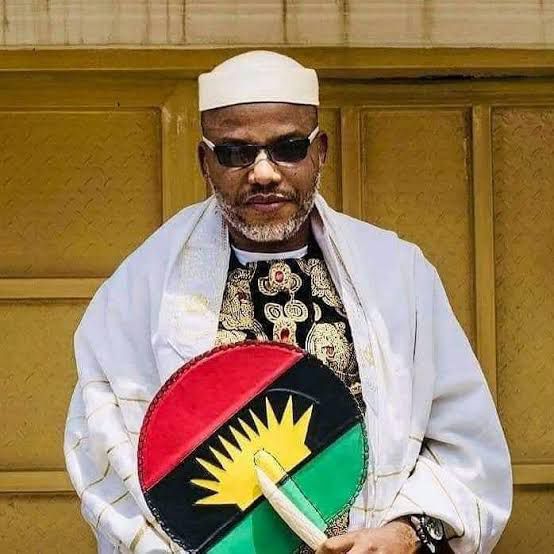
Despite these substantial developments, Agbakahi acknowledged that the political landscape in the South East remains complex and sensitive. One of the most pressing issues that continues to influence public opinion is the detention of Nnamdi Kanu, the IPOB leader. Agbakahi described this situation as a “major variable” that will inevitably affect voter behavior and the overall electoral dynamics in the region.
He elaborated, “The question of Nnamdi Kanu’s release or continued detention is not just a legal matter but one that carries deep political and emotional weight for many people in the South East. How this issue is handled will send strong signals to the electorate about the government’s respect for justice, human rights, and regional autonomy.”
Despite this challenge, Agbakahi expressed confidence in President Tinubu’s ability to navigate the complex political environment with wisdom and maturity. “The President is widely regarded as a father figure in Nigerian politics,” he said.
“He possesses a deep understanding of the intricacies of governance and political negotiation. I am optimistic that, over time, his approach to the situation involving Nnamdi Kanu and other critical issues will help build trust and foster unity in the South East.”
Agbakahi emphasized that while infrastructure development and economic investments have laid a strong foundation for Tinubu’s reelection campaign, the administration’s handling of sensitive political matters will be equally decisive.
He urged all stakeholders to engage in constructive dialogue and to seek peaceful solutions that prioritize the welfare and aspirations of the people in the South East.
About The Author


