NLC GENCOs clash over N6tn debt, N3tn bailout plan
The NLC GENCOs clash over N6tn debt, N3tn bailout plan has escalated into a fresh confrontation that underscores the deepening crisis in Nigeria’s electricity sector, with both sides trading sharp words over accountability, liquidity shortfalls and the future of the privatised power market.
At the heart of the dispute is a claim by the Association of Power Generation Companies that power generation firms are owed about N6tn for electricity supplied to the national grid over the years.
The companies argue that without urgent financial intervention — including discussions around a proposed N3tn bailout — generation capacity could decline further, worsening electricity shortages across the country.
But the Nigeria Labour Congress has strongly rejected both the debt narrative and the idea of a government bailout, describing the proposal as an attempt to transfer public resources into private hands.
Labour pushes back
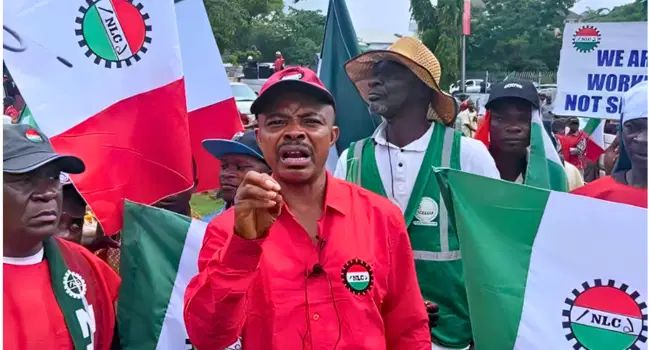
In a statement signed by its President, Joe Ajaero, the NLC accused GENCOs of attempting to “grandstand” and deflect attention from what it called structural failures in the power sector since the 2013 privatisation.
According to the union, the original sale of generation and distribution assets was valued at roughly N400bn, a figure it says stands in stark contrast to the trillions now being referenced in bailout conversations.
The NLC, GENCOs clash over N6tn debt, N3tn bailout plan therefore reflects a deeper ideological disagreement: whether electricity should be treated primarily as a commercial enterprise governed by cost recovery or as a public service requiring state-driven restructuring.
The NLC insists that any move to inject N3tn into the companies would amount to rewarding inefficiency. It argues that despite years of private sector control, electricity generation has remained largely stagnant, hovering around pre-privatisation output levels of 4,000 to 5,000 megawatts, far below national demand.
GENCOs cite liquidity crisis
On the other side, the generation companies maintain that the crisis is rooted in systemic liquidity constraints rather than managerial incompetence. They say persistent tariff shortfalls, foreign exchange volatility and regulated pricing frameworks have made full cost recovery impossible.
Industry sources within the power generation segment note that unpaid invoices have accumulated due to gaps between the actual cost of producing electricity and the tariffs approved by regulators. Gas supply challenges and rising maintenance costs — often denominated in foreign currency — have compounded the pressure.
The NLC, GENCOs clash over N6tn debt, N3tn bailout plan as operators warn that without intervention, some plants may be forced to scale down or shut operations, potentially triggering wider disruptions in electricity supply.
GENCOs have previously denied accusations of extortion or profiteering, arguing instead that the current market structure leaves them financially exposed. They say the N6tn figure represents verified invoices for power generated and fed into the grid but not fully settled through the market’s payment chain.
A sector under strain
Nigeria’s power sector has struggled for decades with underinvestment, ageing infrastructure and regulatory bottlenecks. The 2013 privatisation was designed to attract private capital, improve efficiency and boost generation capacity.
More than a decade later, progress remains uneven. While installed capacity has technically increased, actual delivered power has not kept pace with population growth or industrial demand. The country of over 200 million people continues to grapple with blackouts, high generator use and mounting energy costs.
The current standoff adds another layer of uncertainty. The NLC, GENCOs clash over N6tn debt, N3tn bailout plan at a time when the Federal Government is already navigating fiscal constraints and competing budgetary priorities.
Economists warn that a bailout of such magnitude would have significant implications for public finances, particularly if not tied to clear performance benchmarks and transparency mechanisms.
Transparency and ownership questions
Beyond the financial debate, the labour union has also raised concerns about transparency in the ownership structure of some generation companies. It has called for disclosure of beneficial owners, arguing that public scrutiny is necessary given the scale of assets involved and the potential call on taxpayer funds.
The NLC further alleges that workers’ interests have not been adequately protected under the privatisation framework, citing disputes over union dues, share allocations and employee housing arrangements.
For their part, GENCOs say they remain open to dialogue but insist that resolving the liquidity crisis is essential to stabilising the sector.
The NLC, GENCOs clash over N6tn debt, N3tn bailout plan is unlikely to be resolved quickly. Analysts suggest that any sustainable solution will require coordinated reforms across the electricity value chain — from generation and transmission to distribution and tariff regulation.
Policy experts are calling for a comprehensive audit of market debts, clearer subsidy accounting and a transparent framework for any potential government intervention. Without structural adjustments, they warn, fresh injections of public funds may offer only temporary relief.
As negotiations continue behind the scenes, the broader question remains whether Nigeria’s power sector can achieve financial viability while delivering affordable and reliable electricity.
For millions of households and businesses already burdened by erratic supply and rising costs, the outcome of this clash could determine whether the lights stay on — or the cycle of debt and darkness persists.