

The scope of Nigeria terror killings over the past 26 years encompasses a complex mixture of insurgent attacks, armed banditry, and documented abuses by Nigeria’s security forces. From Boko Haram violence in the north-east to the police crackdowns in Lagos and human rights abuses across urban and rural centres, these incidents have left a profound mark on civilians.
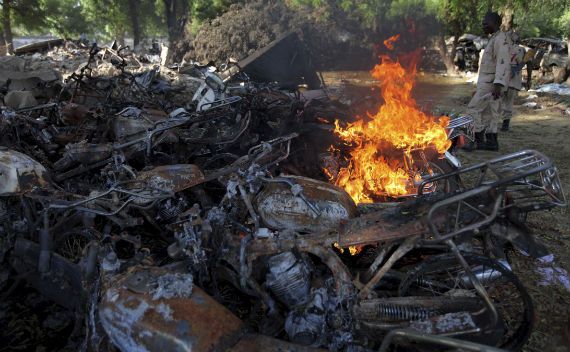
This report examines major attacks, military and police brutality, and the consequences for Nigerian society between 1999 and 2025, highlighting patterns of insecurity in Nigeria, civilian casualties, and gaps in government accountability.
Timeline of Major Incidents (1999–2025)
1999–2008: Foundations of Violence
Early years of Nigeria’s Fourth Republic saw the military responding harshly to civil unrest, often resulting in high civilian casualties. A notable case is the Odi massacre in Bayelsa State (November 1999), where the military killed hundreds of residents in retaliation for a militia attack. These years set precedents for the tension between state security forces and civilians.
2009–2012: Rise of Boko Haram
Boko Haram’s insurgency began in 2009, primarily in Borno, Yobe, and Adamawa states. Thousands were killed, schools attacked, and civilians displaced. Simultaneously, military operations in the region resulted in arbitrary arrests and military brutality. Amnesty International reported that over 7,000 young men and boys died in custody, with more than 1,200 unlawfully killed in north-east Nigeria by 2015 (Amnesty International, 2015).
2013: Early Major Attacks
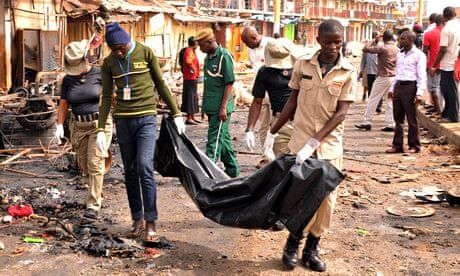
- 18 September 2013 – Benisheik, Borno State: Boko Haram militants, disguised in military uniforms, killed 159–161 civilians (BBC, 2013).
- 29 September 2013 – Gujba College dormitory, Yobe State: Approximately 50 students were killed in a dormitory attack by Boko Haram (Reuters, 2013).
2014–2016: Mass Killings and Military Excesses
- 28 November 2014 – Central Mosque, Kano State: Boko Haram targeted worshippers, killing ~120 and injuring 260 (BBC, 2014).
- March 2014 – Giwa Barracks, Maiduguri: Nigerian Army killed at least 640 men and boys fleeing Boko Haram attacks; over 7,000 detainees reportedly died in custody (Amnesty International, 2014).
- 30 January 2016 – Dalori, Borno State: Boko Haram killed ~86 civilians and injured over 135 in a major town assault (Reuters, 2016).
2016–2019: Militarised Operations and Banditry
Military campaigns against insurgents continued, alongside a rise in bandit attacks in north-west and north-central Nigeria. Reports indicate that civilians were often caught in the crossfire. Between late 2018 and 2019, attacks in Zamfara and Kaduna resulted in hundreds of civilian deaths, with local authorities struggling to contain violence (Vanguard, 2019).
- 2020: #EndSARS Protests and Police Brutality
8–27 October 2020 – Nationwide: #EndSARS protests demanded an end to police brutality, especially by the SARS unit. On 20 October, security forces fired on peaceful protesters at the Lekki Toll Gate in Lagos. Amnesty International confirmed at least 12 fatalities at the site (Amnesty International, 2021).
Nationwide, fatalities from protest-related clashes were reported at 73+ (HRW, 2021). The crackdown highlighted persistent police brutality and systemic impunity in Nigerian security forces.
2021–2023: South-East Killings and Security Challenges
- Jan 2021 – June 2023 – South-East Nigeria: State-backed groups, militias, and security forces were linked to at least 1,844 deaths in the region (Amnesty International, 2023).
- December 2021 – Zaria, Kaduna State: Military operations against the Islamic Movement in Nigeria reportedly killed hundreds of civilians (BBC, 2021).
- 2024–2025: Recent Attacks and Insurgent Resurgence
- 3 September 2024 – Mafa village, Yobe State: Suspected Boko Haram militants killed at least 37 civilians; local estimates suggest over 100 (Reuters, 2024).
- 1 August 2024 – Kawuri café, Borno State: Bombing killed 16 civilians (Reuters, 2024).
- December 2023 – Tundun Biri, Kaduna State: Military drone strikes reportedly killed 85 civilians during Mawlid celebrations (Time, 2023).
Patterns and Regional Analysis
Regional Concentration
- North-East: Borno, Yobe, Adamawa – Boko Haram and ISWAP attacks dominate.
- North-West/Central: Bandit attacks, communal clashes, and military responses are common.
- Urban Centres: Police brutality (Lagos, Abuja, Port Harcourt) remains a key concern.
Actors and Nature of Violence
- Non-State Actors: Boko Haram, ISWAP, bandit gangs, separatist militias.
- State Security Forces: Nigerian Army, Air Force, Police, SARS.
- Hybrid Violence: Insurgent attacks often trigger heavy-handed military operations; civilians are caught in the crossfire.
Civilian Casualties and Human Cost
Boko Haram insurgency alone has resulted in over 35,000 civilian deaths and 2 million displaced (AP News, 2025). Military and police abuses have added thousands more, including deaths in detention and extrajudicial killings (Amnesty International, 2015).
Accountability and Aftermath
Investigations and Legal Proceedings
Despite repeated calls by Amnesty International and Human Rights Watch, investigations into security force abuses are limited.
The #EndSARS protests resulted in no prosecutions, with security forces largely unaccountable (HRW, 2021).
Drone strikes killing civilians prompted presidential orders for investigations, but transparency remains weak (Time, 2023).
Victim Support and Reparations
Victims of insurgent attacks and state violence receive minimal support. Efforts to compensate #EndSARS victims were incomplete, with many families receiving no formal assistance (Amnesty International Nigeria, 2024).
Security Reforms
SARS was disbanded in 2020, but many functions were transferred to new units, with abuses continuing (Arxiv, 2023).
Military operations remain focused on kinetic force; civilian protection measures are limited.
Analysts argue that addressing root causes—poverty, marginalisation, governance deficits—is crucial (Vanguard, 2025).
Nigeria terror killings between 1999 and 2025 reflect a dual crisis: violent insurgencies like Boko Haram and ISWAP, alongside state-perpetrated military and police brutality. Civilians have borne the brunt of the violence, with thousands killed, displaced, or traumatised. Accountability is minimal, reforms are slow, and systemic issues persist.
Moving forward, Nigeria must:
- Conduct independent investigations into security force abuses.
- Strengthen human-rights oversight bodies.
- Implement victim reparations and support programs.
- Reform police and military institutions to prioritize civilian safety.
- Address underlying socioeconomic and governance issues driving insurgency.
- Improve data transparency and casualty documentation.
Only through comprehensive action addressing both insurgent threats and state accountability can Nigeria hope to reduce civilian suffering and restore public trust in its security forces.
References
- Amnesty International. “Nigeria: Senior members of military must be investigated for war crimes.” 10 June 2015. https://www.amnesty.org/en/latest/news/2015/06/nigeria-senior-members-of-military-must-be-investigated-for-war-crimes/
- CSW. “At least 160 dead in terrorist‑related violence.” 20 September 2013. https://www.csw.org.uk/2013/09/20/news/1869/article.htm
- Amnesty International. “Nigeria: No justice for victims of police brutality one year after #EndSARS protests.” 19 October 2021. https://www.amnesty.org/en/latest/news/2021/10/nigeria-no-justice-for-victims-of-police-brutality-one-year-after-endsars-protests/
- Amnesty International. “Older people an invisible casualty in conflict with Boko Haram – new report.” 2020. https://www.amnesty.org/en/latest/news/2020/12/nigeria-older-people-often-an-invisible-casualty-in-conflict-with-boko-haram/
- Human Rights Watch. “Nigeria: A year on, no justice for #EndSARS crackdown.” 19 October 2021. https://www.hrw.org/news/2021/10/19/nigeria-year-no-justice-endsars-crackdown
- Reuters. “Suspected Boko Haram militants kill at least 37 in Nigeria attack.” 3 September 2024. https://www.reuters.com/world/africa/suspected-boko-haram-militants-kill-least-37-nigeria-attack-2024-09-03/
- Reuters. “Cafe blast kills 16 in Nigeria’s Borno state.” 1 August 2024. https://www.reuters.com/world/africa/cafe-blast-kills-16-nigerias-borno-state-2024-08-01/
- Amnesty International UK. “Exposed: War crimes by Nigeria’s military.” June 2015. https://www.amnesty.org.uk/nigeria-military-war-crimes-boko-haram
Read more news at: ireport247news.com
About The Author


