Explore Nigeria Defence Capability 2025: full analysis of military equipment, air, land, naval forces, and strategic security readiness for internal and regional threats.
Nigeria Defence Capability 2025 reflects the country’s efforts to address a complex security environment, ranging from Boko Haram insurgency and banditry to maritime piracy in the Gulf of Guinea.

The focus on Nigeria Defence Capability 2025 underscores the government’s commitment to upgrading its military infrastructure, enhancing equipment strength, and building a more sustainable domestic defence industrial base.
Strategic Security Environment
In 2025, Nigeria faces multiple security threats including insurgency in the northeast, kidnapping and banditry in the northwest, oil theft in the Niger Delta, and maritime insecurity.
Nigeria Defence Capability 2025 is shaped primarily by the need to counter these internal and regional challenges.
Initiatives such as border fencing with neighboring countries and enhanced intelligence sharing are central to strengthening national security.
Budget, Funding, and Procurement
The 2025 federal budget allocated approximately ₦4.9 trillion for security and defence. Key lines include aircraft procurement, armoured vehicles, surveillance systems, and unmanned aerial systems.
Nigeria Defence Capability 2025 also benefits from strategic international partnerships, including approved U.S. arms sales valued at US$346 million for precision-guided munitions.
Despite these investments, experts note that funding remains insufficient relative to operational demands.
Force Structure and Manpower
Nigeria’s armed forces, including the Army, Navy, Air Force, and paramilitary units, consist of roughly 150,000 active personnel.
The focus of Nigeria Defence Capability 2025 emphasizes rapid reaction forces, inter-service coordination, and increased mobility to respond effectively to insurgent and criminal threats.
Major Equipment Highlights
Air Power: Advanced attack aircraft, helicopters, and precision munitions enhance strike capabilities, supporting counter-insurgency operations.
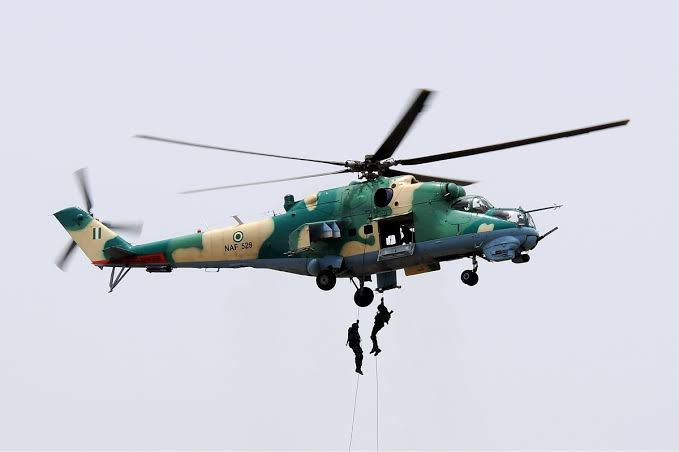
Land Forces: Armoured personnel carriers, mine-resistant vehicles, and 4×4 tactical vehicles strengthen operational mobility and bush warfare capabilities.
Naval/Maritime Security: Investment in patrol boats, littoral combat vessels, and riverine assets ensures protection of critical coastal infrastructure and offshore oil installations.

Unmanned Systems & Surveillance: Drones, ground sensors, and ISR platforms support intelligence-driven operations, improving situational awareness and targeting precision.
Local Production: Defence Industries Corporation of Nigeria (DICON) continues to expand domestic production of firearms, drones, and other tactical equipment, enhancing sustainability and reducing import dependence.
Capability Strengths
- Nigeria Defence Capability 2025 demonstrates stronger strike capacity, increased mobility, and improved intelligence infrastructure.
- Indigenous production supports long-term sustainability and operational autonomy.
- Enhanced international partnerships and procurement of precision-guided munitions elevate Nigeria’s regional and global defence profile.
Challenges and Capability Gaps
Despite advancements, gaps persist in logistics, maintenance, skilled manpower, and joint operational integration.
Nigeria Defence Capability 2025 still faces hurdles in sustaining complex platforms, deploying forces efficiently across diverse terrains, and responding to emerging cyber and hybrid threats.
Outlook for the Future
For continued progress, Nigeria Defence Capability 2025 must prioritize:
- Expansion of local production and research capabilities.
- Balanced investment in acquisition, maintenance, and personnel training.
- Integration of advanced unmanned systems, cyber, and maritime surveillance.
- Regional cooperation for border and maritime security.
- Transparent procurement and efficient resource allocation.
Final thoughts
Nigeria Defence Capability 2025 represents a significant step toward a modern, responsive, and sustainable military.
While equipment procurement and indigenous production are on the rise, the nation must address logistical, training, and maintenance challenges to fully realize a capable defence posture capable of countering internal and regional threats.
More news at ireport247news
About The Author