

Nigeria infrastructure funding gap: FG seeks private capital to bridge $14bn deficit
Nigeria is intensifying efforts to close a significant infrastructure deficit estimated at $14bn annually, as the Federal Government ramps up engagement with international financial institutions and private investors to accelerate development across critical sectors.
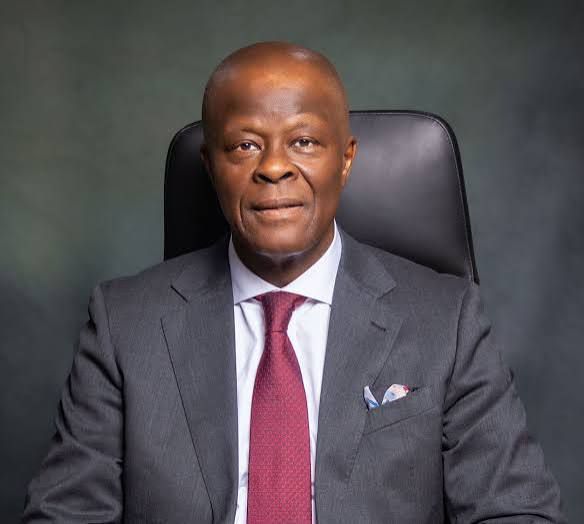
The Minister of Finance and Coordinating Minister for the Economy, Olawale Edun, disclosed that the scale of the infrastructure funding gap has made it imperative for the country to adopt innovative financing strategies beyond traditional public funding.
He emphasised that Nigeria’s development ambitions can no longer rely solely on government resources, given fiscal constraints and the expanding needs of a growing population.
Speaking at a high-level engagement in Lagos, Edun highlighted that bridging the Nigeria infrastructure funding gap remains central to the government’s economic transformation agenda.
According to him, strategic partnerships—particularly with multilateral institutions—will play a pivotal role in unlocking large-scale investments needed to drive sustainable growth.
He noted that the government’s collaboration with international development partners is anchored on financing transformative projects in roads, rail, energy, ports, agriculture, and digital infrastructure.
These sectors, he said, are critical to improving productivity, boosting trade, and enhancing overall economic competitiveness.
Shift from public to private-led investment
A key theme in the government’s approach to addressing the Nigeria infrastructure funding gap is the transition from public-sector dominance to private-sector-led investment.
Edun explained that the government now recognises the private sector as the primary engine of economic growth, accounting for about 90 per cent of the economy.
He stressed that this shift requires a deliberate move toward creating bankable projects that can attract both domestic and foreign investors.
This includes improving regulatory frameworks, ensuring transparency, and implementing risk-sharing mechanisms that make infrastructure projects more attractive to private capital.
“Infrastructure development must move from reliance on public funds to a model that leverages private capital, innovative financing, and strategic partnerships,” he said, adding that the government is committed to de-risking investments to encourage participation from institutional investors.
Embracing innovative financing tools
To bridge the Nigeria infrastructure funding gap, the Federal Government is expanding the use of non-conventional financing instruments. Among these are Sukuk bonds, asset securitisation, and blended finance structures that combine public and private funding.
Edun pointed out that Sukuk financing has already proven effective in funding major road projects across the country and will continue to be a key component of infrastructure financing going forward. He added that the government is also exploring ways to monetise public assets and channel the proceeds into critical infrastructure.
Blended finance, which involves leveraging public funds to attract private investment, is another strategy being deployed. This model reduces investment risk and enhances the viability of large-scale projects, particularly in sectors like housing, renewable energy, and digital services.
Focus on inclusive and sustainable development
Beyond physical infrastructure, the government is also prioritising social infrastructure as part of its broader development strategy. Edun explained that investments in health, education, and social protection programmes are essential to achieving inclusive growth.
Also read: Makinde donates monthly salary to pensioners since 2019 – Oyelade
President Tinubu’s 74th birthday message
Israel strikes Iranian command centres in Tehran escalation
He revealed that the government’s “Year of Social Development” initiative aims to empower millions of Nigerians, particularly those in micro, small, and medium enterprises, by improving access to finance and economic opportunities.
The Nigeria infrastructure funding gap, he noted, extends beyond roads and bridges to include human capital development. As such, the government is integrating social investments into its infrastructure agenda to ensure that economic growth translates into improved living standards.
Infrastructure deficit amid population growth
Nigeria’s infrastructure challenges are compounded by rapid population growth and urbanisation, which continue to place pressure on existing facilities. The demand for efficient transport systems, reliable power supply, and modern digital infrastructure has surged in recent years, widening the funding gap.
Experts argue that closing the Nigeria infrastructure funding gap is crucial for unlocking the country’s economic potential. Poor infrastructure has long been identified as a major constraint on business operations, contributing to high production costs and reduced competitiveness.
Edun acknowledged these challenges, noting that large-scale investments in transportation networks, energy systems, and logistics infrastructure are urgently needed to support economic expansion.
Strengthening investor confidence
To attract the level of investment required, the government is also focusing on macroeconomic stability and policy reforms. Edun stated that ongoing reforms aimed at removing structural distortions in the economy are beginning to yield positive results, including improved investor sentiment.
He expressed optimism that sustained policy consistency, coupled with targeted incentives, would position Nigeria as a preferred destination for infrastructure investment in Africa.
The government is also leveraging digital tools, including the national identity database, to enhance transparency in social programmes and ensure efficient allocation of resources. This, according to Edun, will build trust among investors and development partners.
While the Nigeria infrastructure funding gap remains substantial, the government’s multi-pronged strategy signals a shift toward a more sustainable financing model.
By combining public resources with private capital and innovative financial instruments, Nigeria aims to accelerate infrastructure delivery and support long-term economic growth.
However, analysts caution that successful implementation will depend on strong institutional frameworks, consistent policies, and effective project execution. Without these, efforts to close the funding gap may fall short of expectations.
As Nigeria continues to pursue ambitious development goals, addressing the infrastructure deficit will remain a critical priority—one that will shape the country’s economic trajectory in the years ahead.
About The Author
