Morocco faces mounting accusations of brutal repression after youth-led Gen Z 212 protests triggered mass arrests, alleged beatings, and detentions, drawing condemnation from families and rights groups.
As the kingdom prepares to host the Africa Cup of Nations, activists say security forces moved swiftly to silence dissent, prioritising stability and prestige over accountability and reform.
Demonstrations erupted in late September and early October, becoming Morocco’s largest protests since the Arab Spring, driven by anger over underfunded healthcare, education, and youth unemployment.
The movement, dubbed Gen Z 212 after Morocco’s international dialling code, mobilised thousands of young people demanding dignity, opportunity, and an end to corruption across cities nationwide.
Human rights organisations allege authorities responded with arbitrary arrests, sweeping up protesters and bystanders alike, detaining thousands in operations described as coordinated and deliberately intimidating.
Families told of sons seized from cafés or streets, beaten during arrest, then held for hours without food, water, or access to lawyers inside police stations.
One mother said her eighteen-year-old son lost teeth after being struck repeatedly, then beaten again in custody for refusing to sign statements he denied understanding.
Rights groups report detainees forced to strip, threatened, or assaulted with batons and electrical wires, leaving marks visible weeks later, deepening trauma among families and communities.
Female protesters allegedly faced harassment, sexist insults, and inappropriate touching, reinforcing fears that detention conditions exposed women to additional risks and humiliation.
The crackdown turned deadly on 1 October in Lqliâa near Agadir, where three protesters were shot and killed, and at least fourteen others injured.
Children as young as twelve reportedly suffered gunshot wounds, intensifying outrage and prompting calls for independent investigations into security force conduct during the unrest.

Authorities claimed protesters stormed a police station, forcing officers to respond, a narrative disputed by witnesses and human rights monitors demanding transparent inquiries.
More than 2,400 people now face prosecution linked to the protests, according to international organisations, with dozens charged for violence despite participating in non-violent demonstrations.
Dozens have already received prison sentences, some reaching fifteen years, amid allegations of rushed trials, absent lawyers, and verdicts based on insufficient evidence.
Moroccan human rights groups say hundreds remain detained, including children, while families struggle for information amid fear of reprisals and further harassment.
Lawyers volunteering to defend protesters describe multiple procedural violations, unlawful arrests, extended custody, and severe sentences imposed with alarming speed.
A Human Rights Watch spokesperson said the government orchestrated the crackdown to send a clear message that dissent, especially youth-led, will not be tolerated.
Officials insist fair trial standards were respected, police reports lawfully prepared, and verdicts delivered within reasonable timeframes, rejecting accusations of systemic abuse.
Following unrest, the government pledged renewed commitment to social reforms, announcing increased spending on healthcare and education to address protester grievances.
Critics argue such promises ring hollow while detainees languish in prison and allegations of torture remain uninvestigated, undermining trust in reform pledges.
Renewed protests have been reported in several cities as Morocco readies for the Africa Cup of Nations, with demonstrators demanding detainee releases.
Recent deadly floods in Safi intensified anger, as protesters accused authorities of prioritising international prestige projects over essential infrastructure and public safety.
Human rights groups warn many youths now fear returning to streets, traumatised by alleged beatings, forced confessions, and uncertainty surrounding loved ones’ fates.
Accounts from detainees describe hidden abuses inside prisons, rarely reported publicly because families fear retaliation or further punishment for speaking out.
Last week, relatives of victims killed in Lqliâa said police detained them for holding photographs outside parliament, confiscating phones and deleting images.
Families insist they seek justice, transparent investigations, and accountability, not confrontation, as they mourn loved ones lost during demonstrations.
Authorities deny arrests occurred, claiming families were briefly taken to stations after refusing dispersal orders, then released without charges.
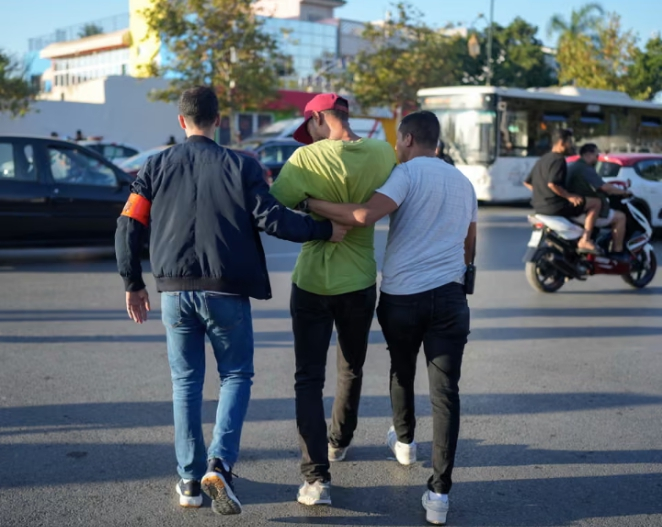
As Morocco balances international visibility with domestic stability, the Gen Z 212 crackdown raises urgent questions about rights, accountability, and the cost of silencing youth voices.
The unfolding crisis threatens to overshadow sporting celebration, leaving unresolved grievances that continue to simmer beneath Morocco’s carefully managed public image.
Read also: US approves $11bn arms sales to Taiwan, defying China, escalating Indo-Pacific tensions
About The Author