The Mojtaba Khamenei supreme leader appointment has raised serious questions about Iran’s wartime leadership after confirmation that he was injured during the first wave of Israeli strikes that targeted Iran’s top leadership.
The attacks reportedly killed several members of his family, including his father, former supreme leader Ali Khamenei. Despite uncertainty over his health, Iran’s political system moved quickly to elevate him to the country’s most powerful position.
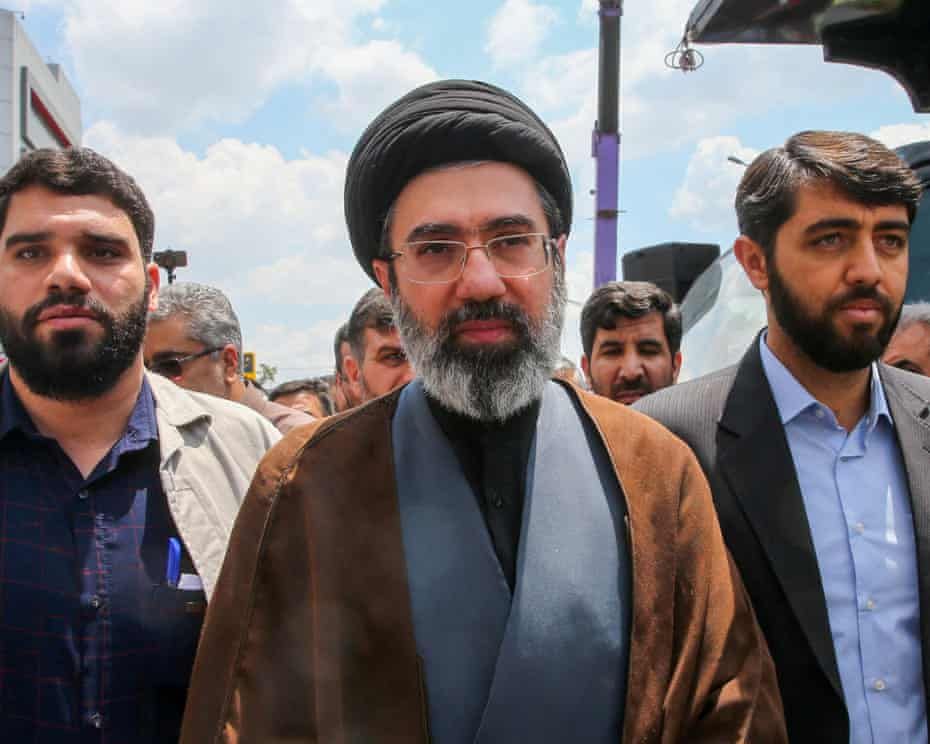
Officials have offered limited details about his condition. Authorities acknowledged that Mojtaba suffered injuries including a broken leg and facial wounds, but they insist his condition is stable. Senior official Ali Larijani stated that the new leader continues to provide guidance and approval for military operations despite the injuries.
However, the lack of public appearances or official recordings from Mojtaba since his appointment has fueled speculation inside and outside Iran.
Opposition figures and diaspora groups have even claimed he might be unconscious or hospitalized, though these claims remain unverified. The absence of clear communication from the government has deepened uncertainty surrounding the transition.
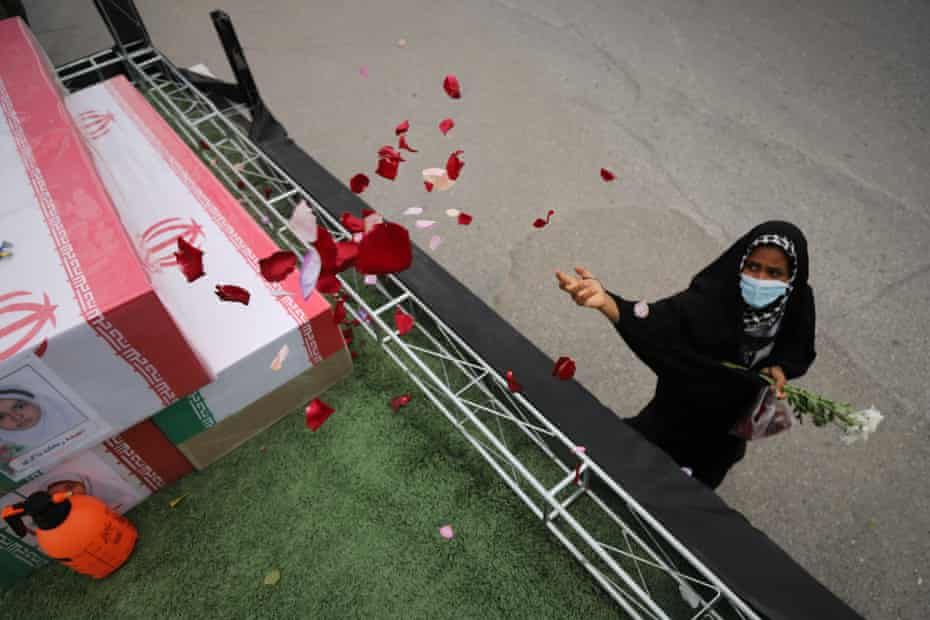
The attack that led to his injuries was devastating for the Khamenei family. Alongside Ali Khamenei, Mojtaba reportedly lost his mother, wife, one of his sons, a sister, a brother-in-law, and a niece when the compound housing the supreme leader’s office was destroyed. The scale of the losses has led analysts to question how prepared he was to assume leadership immediately afterward.
Despite these doubts, Iran’s leadership structure appears determined to project stability. The Assembly of Experts, the clerical body responsible for selecting the supreme leader, proceeded with the appointment even amid wartime disruption and uncertainty about Mojtaba’s health and readiness for the role.
Iranian officials argue that the country’s governance and military operations are designed to function even without constant direct leadership from the supreme leader.
According to loyalists, strategic decisions and military plans had already been established, allowing the state apparatus to continue functioning even under crisis conditions.
Analysts say this resilience comes from the extensive networks built around the country’s security institutions. Organizations such as the Islamic Revolutionary Guard Corps and allied paramilitary groups maintain influence across Iran’s political, military, and economic systems, enabling continuity even when top leadership faces disruption.
Maryam Alemzadeh, a specialist on Iranian politics, argues that the system was intentionally designed to survive leadership shocks. She says the interconnected networks of the Revolutionary Guards, Basij militias, and security institutions allow the government to maintain control through surveillance, services, and enforcement.
This institutional structure means that removing or weakening one leader does not necessarily disrupt the broader power system. Instead, it can produce a temporary “rally around the flag” effect among loyal supporters, strengthening internal cohesion during times of conflict.
Some experts believe Mojtaba may still need years to consolidate authority. Analysts say that although the office of supreme leader holds enormous constitutional power, its effectiveness often depends on the personal authority and political networks of the individual occupying it.
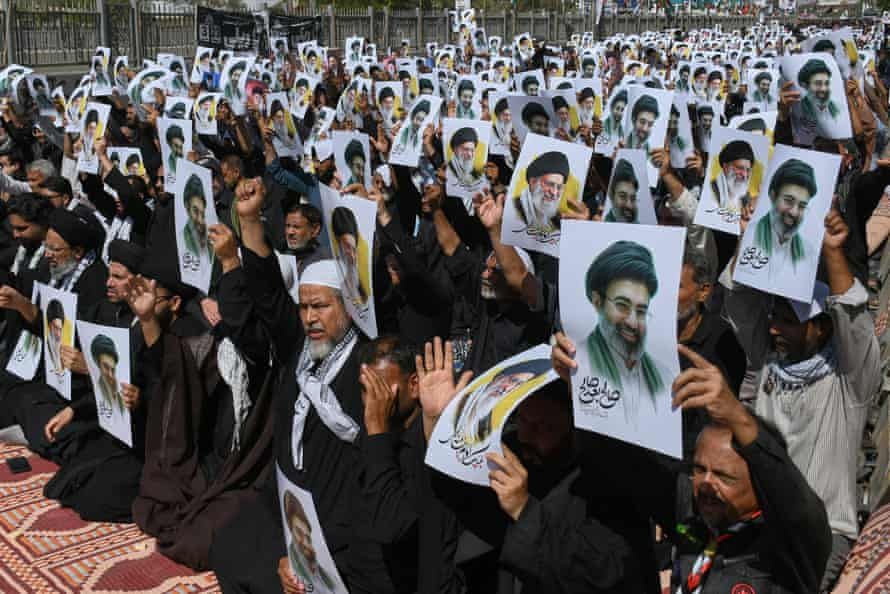
Middle East analysts point out that his father, Ali Khamenei, also struggled to establish authority when he first assumed the role in 1989. Building influence across religious institutions, security agencies, and political factions can take time even in a centralized system.
Meanwhile, the broader military strategy appears largely unchanged. Iranian forces continue pursuing asymmetric tactics aimed at raising economic and political costs for their opponents. These strategies include targeting infrastructure and shipping routes connected to rival states in the region.
The ongoing confrontation has also drawn the attention of international political figures, including Donald Trump, whose statements about the conflict have attracted scrutiny as the crisis unfolds. Analysts say global reactions may influence how long the conflict lasts and whether negotiations eventually emerge.
For now, Iran’s leadership transition illustrates how the country’s political system prioritizes institutional continuity over individual visibility. Even with an injured and largely unseen leader, officials insist the machinery of state and war continues to operate without interruption.
Yet the coming months may determine whether Mojtaba Khamenei can move from a symbol of continuity to an active and visible leader capable of consolidating power during one of the most dangerous periods in Iran’s recent history.
Read also: Switzerland bus fire deaths investigated as possible deliberate act after multiple fatalities
About The Author