

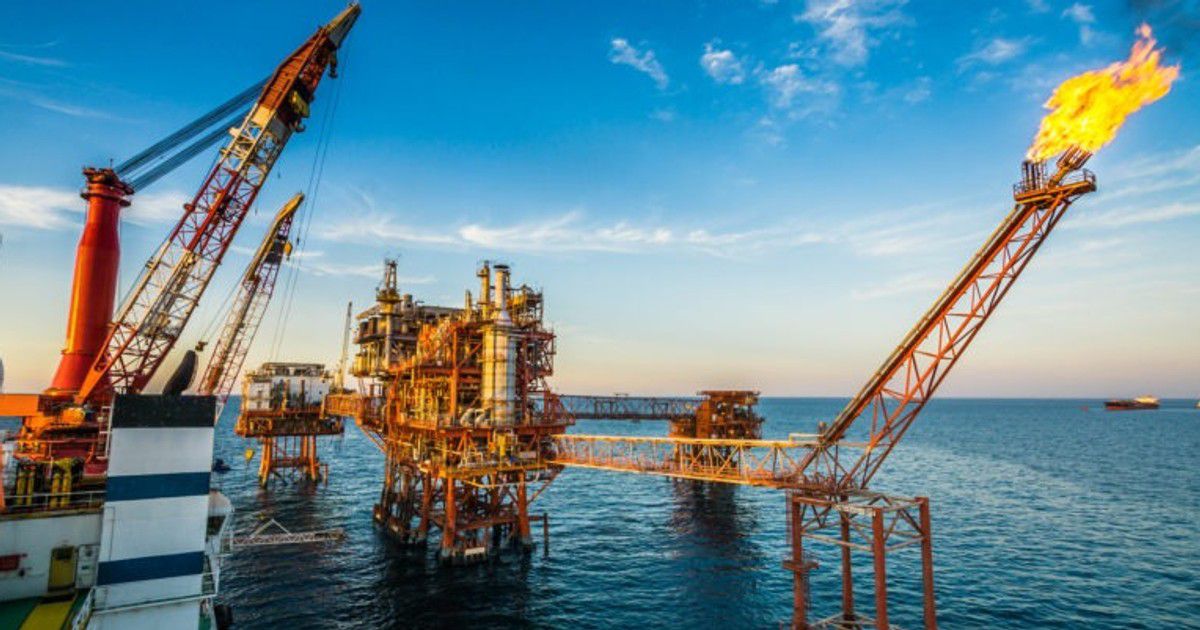
Nigeria oil gains from Middle East crisis reshape global energy dynamics
Nigeria is emerging as one of the biggest beneficiaries of the ongoing geopolitical tensions in the Middle East, as global energy markets undergo a rapid realignment driven by supply disruptions, rising prices, and shifting trade routes.
Recent industry assessments indicate that Nigeria, alongside other African producers, is gaining renewed attention from European and Asian buyers seeking more stable and lower-risk crude supply options.
The development comes amid sustained disruptions affecting key transit corridors such as the Strait of Hormuz and the Red Sea, both of which are critical to global oil and gas shipments.
Supply disruptions trigger shift to Africa
The Middle East conflict has significantly altered global oil flows, with an estimated eight million barrels per day of crude supply affected, alongside nearly 20 per cent of global liquefied natural gas output. These disruptions have heightened concerns over energy security, prompting import-dependent economies to diversify sourcing strategies.
In response, African oil producers—particularly Nigeria—are being repositioned as reliable alternatives due to relatively safer shipping routes and predictable delivery timelines.
Analysts say this shift is not merely temporary but could mark the beginning of a longer-term structural transition in global energy trade patterns.
The surge in demand has coincided with a sharp increase in crude prices. Benchmark Brent crude has risen by over 50 per cent since the onset of the crisis, hovering around $110 per barrel.
This price rally has strengthened the revenue outlook for oil-exporting nations, especially those with spare production capacity and export-ready infrastructure.
Nigeria’s strategic advantage in oil and gas
For Nigeria, the current situation presents a dual opportunity: immediate revenue gains from higher oil prices and long-term positioning as a strategic supplier in a rebalanced global market.
Beyond crude oil, the country’s vast natural gas reserves—estimated at over 200 trillion cubic feet—are drawing renewed investor interest. With global demand for cleaner energy sources rising, Nigeria’s gas sector is increasingly seen as a critical component of future energy security, particularly for Europe.
Key infrastructure projects are expected to play a central role in unlocking this potential. Among them is the Trans-Saharan Gas Pipeline, a long-anticipated initiative designed to transport Nigerian gas through Niger and Algeria to European markets.
The project, which is gradually transitioning from concept to execution, is gaining traction due to Europe’s urgent need to reduce dependence on Russian energy supplies.
Once completed, the pipeline is projected to deliver up to 30 billion cubic meters of gas annually, positioning Nigeria as a major supplier to the European Union’s evolving energy mix.
LNG expansion strengthens Africa’s outlook
Nigeria’s advantage is further reinforced by broader developments across Africa’s liquefied natural gas sector. The continent’s total LNG export capacity is expected to more than double by 2040, rising from about 80 million tons per annum in 2025 to over 175 million tons.
Sub-Saharan Africa alone is projected to record a 175 per cent increase in LNG exports by 2034. This growth will be driven by large-scale projects in countries such as Mozambique, Angola, and Nigeria, supported by multinational energy investments and improving security conditions in key production zones.
The restart of major LNG projects in Southern Africa, alongside new investments in offshore gas fields, signals growing confidence in the continent’s long-term energy prospects. These developments are expected to complement Nigeria’s existing LNG infrastructure and expand its export footprint.

Investors eye stability and growth
Market analysts note that global investors are increasingly prioritising jurisdictions that offer a combination of resource abundance, political stability, and operational predictability. Nigeria’s ongoing reforms in the oil and gas sector, coupled with its strategic location, are enhancing its appeal in this regard.
However, experts caution that sustaining this momentum will require addressing longstanding challenges, including infrastructure deficits, regulatory uncertainties, and security concerns in oil-producing regions.
There is also the question of how Nigeria balances short-term gains from fossil fuels with its long-term energy transition goals. While global demand for oil remains strong, the shift towards renewable energy and decarbonisation continues to shape investment decisions worldwide.
Global implications of the energy realignment
The broader implication of the Middle East crisis is a reconfiguration of global energy alliances. As traditional supply chains face disruption, new trade corridors are emerging, with Africa playing a more prominent role.
For Europe, reducing reliance on Russian gas has become a strategic imperative, accelerating partnerships with alternative suppliers. Nigeria’s gas exports, particularly through pipeline and LNG channels, are expected to feature prominently in this diversification strategy.
Similarly, Asian markets are exploring new sourcing arrangements to mitigate risks associated with geopolitical tensions. This has further strengthened demand for African crude, reinforcing Nigeria’s position in the global energy market.
Outlook for Nigeria oil gains from Middle East crisis
While the immediate benefits of the crisis are evident in rising revenues and increased demand, the long-term impact will depend on Nigeria’s ability to capitalise on the opportunity through policy consistency, infrastructure investment, and sectoral reforms.
Energy experts emphasise that the current window offers a rare chance for Nigeria to consolidate its role as a global energy hub. By strengthening its oil and gas value chain, improving export logistics, and fostering investor confidence, the country can transform temporary gains into sustained economic growth.
As global markets continue to adjust to evolving geopolitical realities, Nigeria oil gains from Middle East crisis are likely to remain a defining feature of the country’s economic trajectory in the coming years.
Read more news at ireport247news.com
About The Author
