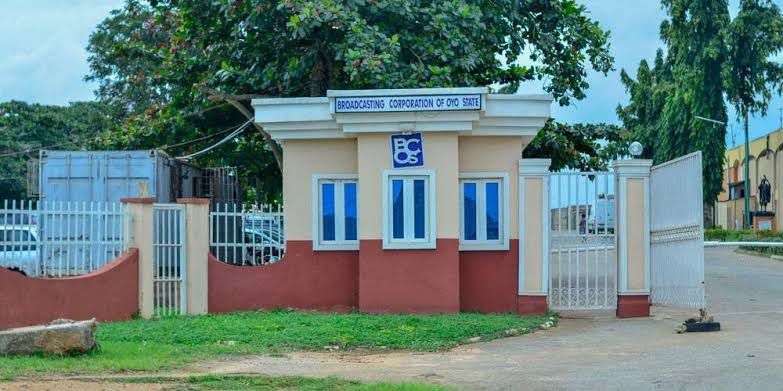
Ibadan, Nigeria — Once a pride of the Southwest and a powerhouse in public broadcasting, the Broadcasting Corporation of Oyo State (BCOS) is now a shadow of its former self.
Under Governor Seyi Makinde‘s administration, the station has been starved of attention, resources, and relevance, while private media outfits receive government patronage in millions of naira.
Investigations reveal that despite repeated assurances to revitalise state institutions, Governor Makinde has consistently sidelined BCOS in favour of privately owned stations for publicity and social amenities.

Insiders say the station’s equipment is outdated, its workforce demoralised, and its capacity grossly underutilised.
Instead of investing in the modernisation of BCOS — which is publicly funded and mandated to serve the people of Oyo State — the government has reportedly poured resources into private channels, often paying premium fees for broadcasts that could have been handled by the state-owned media at minimal cost.
“This is not just neglect; it is an outright abandonment,” a senior BCOS staff member, who spoke anonymously, lamented.
“We watch as government events and programmes are handed over to private broadcasters, while our own station — funded by taxpayers — is left with scraps.
“The governor’s media handlers seem more interested in enriching private operators than strengthening the institution that belongs to the people.”
Critics argue that this policy has two consequences: BCOS is losing its relevance in the state’s media space, and taxpayers are paying double, funding a moribund state broadcaster while also footing the bills for expensive private coverage.
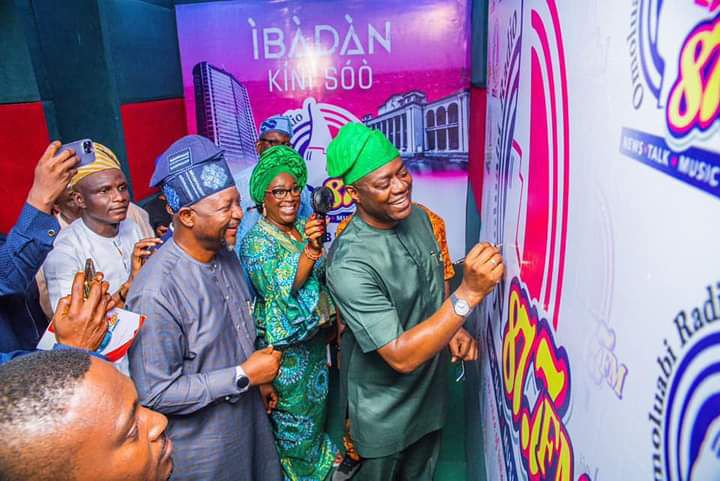
Governor Makinde’s strategy undermines the very essence of public broadcasting. “BCOS was designed to be the voice of Oyo State, a platform where government and people could engage directly,” one veteran journalist noted.
“What we see today is a governor more comfortable outsourcing the people’s voice to private companies. That is both economically wasteful and politically shortsighted.”
Observers also point out that this neglect contradicts Makinde’s campaign promises, in which he pledged to restore public institutions and promote transparency through indigenous platforms.
Six years on, BCOS workers and stakeholders are left with broken promises and a station struggling for survival.
For now, the question remains: Will Governor Makinde wake up to the slow death of BCOS and rescue the institution before it collapses entirely, or will history remember his administration as the one that abandoned Oyo’s foremost media voice in favour of private profits?
About The Author