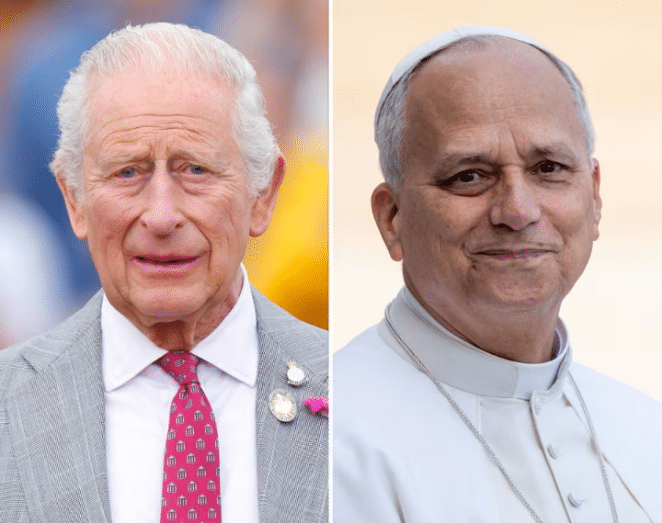
King Charles will become the first reigning English monarch in 500 years to pray publicly with a pope, marking a historic step for faith diplomacy and unity.
The monarch is scheduled to join Pope Leo XIV at an ecumenical service in the Sistine Chapel during his state visit to the Vatican on 22–23 October.
“This is a landmark moment reflecting decades of effort to build bridges between Christian communities,” said a royal advisor, emphasizing the spiritual and historical significance of the visit.
The Vatican visit highlights evolving relations between the British monarchy and the Catholic Church, shaped by centuries of conflict, diplomacy, and gradual reconciliation across Christian denominations.
Since Henry VIII’s split from Rome in 1534, English monarchs have avoided public prayer with the pope, making Charles’s planned participation unprecedented in modern history.
“Generations have awaited such a meaningful gesture,” said a senior Church of England official, underlining the symbolic importance of this ecumenical engagement and interfaith dialogue today.
During the visit, the king and queen will also attend the Basilica of St Paul Outside the Walls, a church historically connected to the English crown.
The basilica’s ties stretch back to Saxon rulers, including Kings Offa and Æthelwulf, who supported the upkeep of St Paul the Apostle’s tomb within the papal basilica.
King Charles has agreed to accept the honorary title of “royal confrater” of the abbey, a recognition of spiritual fellowship approved by Pope Leo XIV for the monarch.
A Vatican spokesperson explained, “This title honors his majesty’s lifelong work promoting interfaith understanding, unity, and cooperation across Christian communities, reflecting decades of dedication to shared values.”
A special seat decorated with the king’s coat of arms has been prepared in the basilica, which he will use during the ecumenical service and leave permanently.
“The presence of the monarch in this sacred space demonstrates respect for tradition while emphasizing cooperation, dialogue, and reconciliation across faiths,” said the abbot, describing the significance of the gesture.
Buckingham Palace confirmed this will be the first time a reigning English monarch attends a service in St Paul’s Outside the Walls since the Reformation.
The palace emphasized the historical significance of the ecumenical service in the Sistine Chapel, describing it as a symbolic bridging of centuries-old divides between Britain and the Vatican.
“This state visit represents a turning point in the British monarchy’s relationship with the Holy See,” a palace spokesperson said, highlighting the importance of public prayer between faith leaders.
Church leaders welcomed King Charles’s participation, noting that centuries of mutual distrust between the English state and papacy are slowly giving way to reconciliation and interfaith cooperation.
A Church of England spokesperson explained, “The king’s participation is a visible testament to the ongoing search for unity among Christians, which continues to guide our ecumenical efforts today.”
The royal confrater title confers no obligations or constitutional changes but recognizes Charles’s decades-long efforts to bring people together across faiths and promote understanding between communities.
“His majesty’s work has consistently encouraged dialogue and mutual respect, creating opportunities for unity without compromising the Church of England’s traditions,” the spokesperson added, underscoring the symbolic significance of the role.
The UK Foreign Office noted the visit’s diplomatic importance, saying, “In times of global instability, the United Kingdom’s relationship with the Holy See is more significant than ever.”
“Strengthening this historic connection offers both spiritual and political resonance, reinforcing Britain’s commitment to dialogue and shared values with the Vatican,” the Foreign Office statement continued.
Queen Elizabeth II was the first British monarch since the Reformation to make an official visit to the Holy See, doing so in 1961, setting a precedent for future engagement.
Observers said King Charles’s forthcoming visit will build on this foundation, showing continuity and evolution in Britain-Vatican relations, reflecting both historical awareness and modern diplomatic priorities.
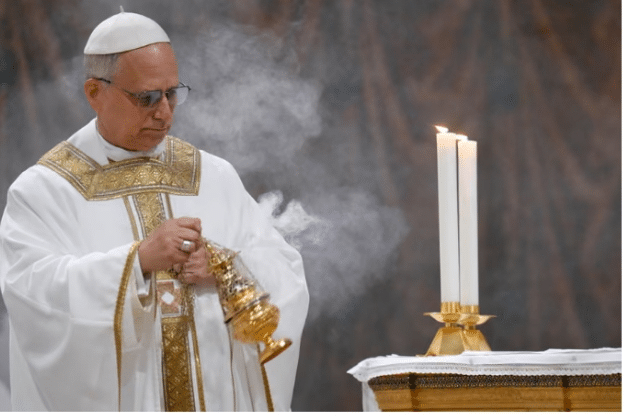
The ecumenical service will include prayers, scripture readings, and blessings in both Latin and English, symbolizing the unity of faith traditions while respecting longstanding Church protocols.
“Attending the service allows the monarch to participate in a centuries-old ritual while emphasizing the Church of England’s commitment to ecumenism and collaboration with the Catholic Church,” said a royal insider.
The basilica’s abbey expects King Charles to meet clergy, scholars, and lay representatives of Christian communities, furthering conversations on shared values, interfaith collaboration, and spiritual reconciliation.
“This encounter will highlight the role of the British monarchy in promoting dialogue, mutual respect, and cooperation across Christian traditions in a rapidly changing world,” the abbot explained.
Preparations for the visit include security arrangements, ceremonial planning, and consultations with Vatican officials to ensure that protocol respects both the sovereign and ecclesiastical authorities.
Royal aides emphasized that the visit’s significance extends beyond ceremony, representing decades of personal commitment by Charles to encourage understanding between different faiths.
Observers noted that the symbolic act of public prayer with the pope may influence other faith leaders, encouraging similar gestures of reconciliation and dialogue worldwide.
The king’s presence in the Sistine Chapel and at St Paul’s Outside the Walls is expected to attract attention from international media, historians, and religious scholars studying interfaith relations.
“This is a moment when history and contemporary faith diplomacy converge, offering a model for respectful engagement and spiritual collaboration in modern times,” noted a religious studies academic.
Analysts emphasized that the visit may strengthen Britain’s soft power, highlighting the monarchy’s ability to act as a bridge between cultures, religions, and nations in sensitive diplomatic contexts.
“It demonstrates that ceremonial monarchy can serve meaningful diplomatic purposes, combining tradition, symbolism, and constructive engagement,” said a historian specializing in European royal diplomacy.
The king’s role as supreme governor of the Church of England remains unchanged, even as he participates in public prayer with Pope Leo XIV, demonstrating that symbolic gestures can coexist with constitutional duties.
Royal observers noted that while the visit is historic, it aligns with Charles’s longstanding commitment to interfaith dialogue, environmental stewardship, and public service, reinforcing the monarchy’s relevance in contemporary society.
“This ecumenical engagement shows that monarchy can evolve while respecting history, offering leadership in bridging divisions and promoting understanding among diverse communities,” said a Church of England official.
The state visit is expected to foster goodwill between Britain and the Vatican, opening channels for further collaboration on issues of shared moral, social, and spiritual concern.
“The visit emphasizes that faith and diplomacy are not mutually exclusive, but complementary tools for advancing understanding and cooperation on a global stage,” a Foreign Office representative explained.
Royal aides noted that the king’s acceptance of the royal confrater title will leave a lasting legacy for his successors, reinforcing the ongoing importance of interfaith engagement.
Historians remarked that this is the first instance since the Reformation where a reigning English monarch’s actions directly reflect both ecclesiastical and diplomatic strategy in a public and symbolic setting.
“By attending these services, King Charles continues a centuries-long dialogue between England and the Vatican, strengthening ties while honoring tradition and historical precedent,” a historian said.
The Vatican emphasized that Pope Leo XIV views the visit as a step toward deeper understanding, reconciliation, and collaboration between Catholic and Anglican communities worldwide.
“The service is not merely ceremonial; it is a tangible expression of unity, respect, and shared values between two historic Christian institutions,” a Vatican official explained.
King Charles’s visit will also provide opportunities for private discussions with the pope on matters of global importance, including peace, humanitarian efforts, and interfaith dialogue, officials noted.
Observers predict that the visit will be widely covered in the media, both for its historical significance and its demonstration of the monarchy’s continued role in shaping international and religious discourse.
“The event will be remembered as a turning point, signaling a renewed spirit of cooperation, dialogue, and mutual respect between Britain and the Holy See,” said a royal commentator.
Preparations for the state visit continue in both London and Rome, with careful attention to ceremonial protocol, public engagement, and historical symbolism ensuring that the visit honors both monarchy and papacy.
“This is a celebration of centuries of history and the promise of future cooperation, embodying values that transcend politics and geography,” a royal source said, emphasizing the symbolic significance.
The historic nature of King Charles’s prayers with Pope Leo XIV will likely influence future interfaith engagements, inspiring leaders to seek similar paths toward reconciliation and understanding.
“The king’s presence alongside the pope is a powerful example of faith in action, demonstrating that leadership can unite communities and promote shared values,” a Church of England official said.
The visit concludes a significant chapter in Britain-Vatican relations while opening a new era of dialogue, engagement, and symbolic gestures that strengthen bonds between the two Christian traditions.
Royal and Vatican officials alike hope that the event will serve as a model for collaboration, showing that tradition, respect, and diplomacy can work together to promote unity globally.
“This is an historic moment that will resonate for generations, reflecting the king’s lifelong dedication to fostering dialogue and understanding between faith communities,” a Vatican spokesperson said.