

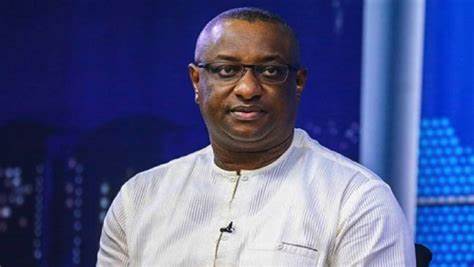
Festus Keyamo attacks NDC’s one-term southern presidency arrangement, describing the 2027 zoning strategy as deceptive and politically desperate.
Nigeria’s political atmosphere has become more heated following fresh comments by Minister of Aviation and Aerospace Development, Festus Keyamo, who has openly criticised the recent zoning arrangement announced by the Nigeria Democratic Congress (NDC) ahead of the 2027 general elections.
The controversy began after the opposition party resolved during its national convention to reserve its 2027 presidential ticket for candidates from Southern Nigeria, with the understanding that the candidate would serve only one term if elected.
The decision immediately generated widespread reactions across the country, with political observers, party supporters, and rival politicians debating the implications of the arrangement.
Reacting to the development on Monday, Keyamo dismissed the move as a calculated political strategy designed to win sympathy and attract support from Nigerians ahead of the next presidential race.
According to him, the proposal lacks sincerity and may not survive the realities of power once an election is won.
The minister made his position known through a statement posted on his verified X account, where he argued that the arrangement reminded Nigerians of past political promises that were later surrounded by controversy.
He specifically referenced former President Goodluck Jonathan and the debate that followed his decision to contest the 2011 presidential election after earlier discussions around serving only one full term.
According to Keyamo, Nigerians should not easily accept political agreements that may become impossible to enforce once power changes hands.
He insisted that political history in the country has shown that many pre-election understandings often collapse after victory at the polls.
The minister also questioned the practicality of the NDC’s arrangement, especially if former Labour Party presidential candidate, Peter Obi, eventually emerges as the party’s presidential flag bearer.
ALSO READ: NDC zones 2027 presidential ticket to South amid opposition coalition
He argued that there would be no guarantee that the candidate would remain committed to a one-term promise after assuming office.
Keyamo further stated that if Obi or any other candidate eventually becomes president under the NDC platform, the political dynamics could quickly change.
According to him, a sitting president would naturally wield enormous influence within the party and could persuade party stakeholders to reverse earlier agreements.
He maintained that the entire arrangement appears unrealistic and reflects the growing anxiety among opposition groups trying to build a united front ahead of the 2027 presidential election.
The minister described the move as an attempt to create political excitement rather than present a workable democratic framework.
The latest comments from Keyamo have added another layer of debate to Nigeria’s already active political landscape, particularly as conversations around coalition-building and opposition alliances continue to intensify.
In recent months, different political groups have been discussing possible mergers and partnerships aimed at challenging the ruling party in the next election cycle.
Political analysts believe the zoning arrangement announced by the Nigeria Democratic Congress is part of a broader strategy to reduce internal tension and attract support from different regions of the country.
By allocating the 2027 ticket to the South and reserving the 2031 presidential slot for the North, the party appears determined to promote rotational leadership and national balance.
Supporters of the arrangement argue that zoning remains an important factor in Nigeria’s political structure because it helps maintain fairness among the country’s diverse ethnic and regional groups.
They believe the decision could strengthen unity within the opposition and encourage wider participation ahead of the next election.
However, critics insist that such political promises are difficult to sustain in practice.
Many believe the constitution and democratic process ultimately give elected leaders the freedom to seek re-election if they choose to do so, regardless of earlier party agreements.
The debate has also drawn attention to the increasing role of opposition coalitions in shaping Nigeria’s future political direction.
With the 2027 election still some distance away, discussions around alliances, zoning formulas, and possible presidential candidates are already dominating public conversations.
Observers say the mention of Peter Obi in the ongoing debate highlights his continued relevance in Nigeria’s opposition politics following his strong performance during the 2023 presidential election.
Although Obi has not officially declared any intention regarding the NDC platform, his name continues to surface in political discussions surrounding coalition talks and future presidential ambitions.
Meanwhile, supporters of Keyamo have defended his criticism, arguing that Nigerians deserve transparency and realistic political commitments rather than arrangements that could later become controversial.
Others, however, believe the minister’s reaction reflects growing concern within the ruling camp over possible opposition unity ahead of 2027.
As political activities gradually gather momentum, many Nigerians are expected to closely monitor how opposition parties manage internal negotiations, zoning discussions, and leadership ambitions in the months ahead.
The outcome of those conversations may significantly influence the shape of the 2027 presidential election and determine the strength of the opposition movement across the country.
The growing argument over zoning reflects how Nigerian parties continue to struggle with balancing regional loyalty and electoral strategy ahead of every major election cycle.
Ireport247news
About The Author
