
A dramatic £600,000 will dispute has ended in victory for a retired charity shop volunteer after a High Court judge ruled that his late mother lacked the mental capacity to legally cut him out of her estate.
Richard Dalton, 68, successfully challenged the final will of his mother, Peggy Dalton, after the court heard she had become convinced her son attempted to murder his brother — allegations the judge later found had “no basis in reality.”
The High Court ruling means an earlier 2018 will is now restored, allowing Richard Dalton to inherit roughly one-third of the family estate, estimated at about £200,000. The decision also delivers a major legal setback to his brother Robert Dalton and sister-in-law Carly Dalton, whom the court found exercised undue influence over the elderly woman during the final years of her life.
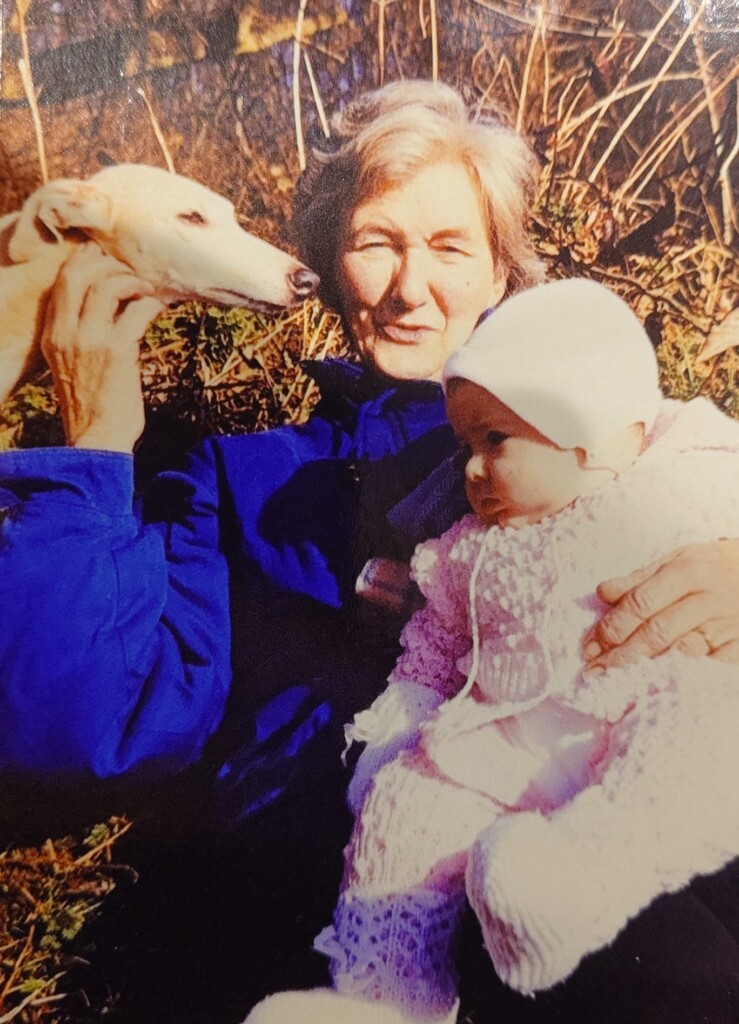
The closely watched £600,000 will dispute has drawn attention across Britain because of its extraordinary allegations involving dementia, alleged manipulation, family estrangement and inheritance rights. The case also highlights growing legal concerns over vulnerable elderly people being isolated and pressured into changing their wills.
High Court Judge Rejects Final Will
The court heard that Peggy Dalton died in March 2021 aged 94 after suffering declining health and dementia. Months before her death, she dramatically altered her will, disinheriting Richard entirely and leaving almost all of her estate to Robert and his wife Carly.
But the High Court ruled that the final document could not stand.
Master Katherine McQuail concluded that Peggy Dalton lacked testamentary capacity when the will was signed in November 2020 and that the document was heavily influenced by Robert and Carly after they moved into her home.
Giving her ruling, the judge said Peggy’s belief that Richard had tried to kill Robert was either a result of dementia-related confusion or false information provided to her.
“Either Peggy came to believe that because she was told it by Robert or Carly, or she independently erroneously reached an erroneous belief to that effect,” the judge said.
“In any event, this calls into question her state of mind and her understanding of the circumstances of making the will — and therefore her understanding of the will-making process.”
The judge further stated that Peggy Dalton’s mental deterioration meant she could not properly understand the implications of the new will.
“In my judgment, by late 2020, the deceased was unable to comprehend or appreciate the documents to which she should give effect due to her misunderstanding of the issues or due to falsely planted information,” she ruled.
The judgment ultimately declared the 2020 will invalid because of lack of mental capacity, lack of proper understanding and undue influence.
£600,000 Will Dispute Centred On Shocking Family Allegations
Central to the £600,000 will dispute were explosive claims that Richard Dalton had stolen £100,000 from his mother and attempted to murder his brother Robert.
According to records from will writers, Peggy Dalton explained her decision to remove Richard from her inheritance because she believed he had attacked Robert and been charged with attempted murder.

However, the court heard that no such charge ever existed.
Richard’s barrister, Julian Reed, explained that there had only been a dangerous driving incident involving the brothers after a dispute over their mother’s car.
“The deceased was not present for the incident between Richard and Robert,” Reed told the court.
“Richard has never been charged with attempted murder. The fact that the deceased believed that he had been charged reveals a false account of events from Robert or lack of capacity to understand and retain information.”
The lawyer argued that Peggy Dalton’s beliefs were either the product of dementia or deliberate manipulation by Robert and Carly.
“The only logical reason for Robert providing a false account to the deceased would have been to unduly influence her against Richard for the benefit of himself,” Reed said.
The High Court accepted much of that argument.
Dementia And Isolation Played Major Role In Case
A significant part of the court case focused on Peggy Dalton’s deteriorating mental health and increasing dependence on Robert and Carly after they moved into her Surrey home during the Covid-19 pandemic.
Evidence presented in court showed the elderly woman had become isolated from other family members, medical professionals and social workers.
Richard Dalton’s legal team argued this isolation created the perfect conditions for manipulation.
“That move afforded Robert and Carly time to coerce the deceased to make a will favourable to them,” Reed told the court.
“Once they were in the deceased’s property, she was isolated from both family members and health professionals.”
The judge accepted concerns raised by social care professionals and family members regarding Robert and Carly’s involvement in Peggy Dalton’s finances and welfare.
“There is a thread of anxiety throughout the court papers expressed by social care professionals and Peggy’s family members about Robert and Carly’s involvement in her financial affairs,” Master McQuail said.
The court also heard that Peggy Dalton was hospitalised shortly after the will was executed and later transferred to a care home where she was described as suffering from “quite advanced” dementia.
That medical evidence became a crucial factor in the final ruling.
Earlier Family Will Restored By Court
Before the controversial 2020 document was created, Peggy Dalton’s estate had been governed by a 2018 will.
Under that arrangement, her estate was to be shared between her surviving sons Richard and Robert, alongside grandson Vincent.
The court decided the earlier will should now stand.
As a result, Richard Dalton will receive roughly £200,000 from the estate despite having initially been completely disinherited.
The ruling also leaves Robert and Carly facing a massive financial blow because the judge ordered them to pay Richard’s legal costs, estimated at approximately £190,000.

Those costs could consume much of Robert’s inheritance share if the pair cannot pay independently.
Importantly, Robert and Carly did not attend the High Court trial despite initially instructing solicitors when the case began.
That absence was repeatedly referenced during proceedings.
Judge Criticises Will-Making Process
The High Court judgment also delivered criticism of the process used to create Peggy Dalton’s final will.
Master McQuail questioned whether sufficient checks were carried out to assess the elderly woman’s mental fitness before the document was signed.
Although the will writer stated Peggy was “not under duress,” the judge dismissed that assessment.
“I take no comfort from his note saying that Peggy was not under duress,” she said.
The judge noted there was no indication Peggy Dalton had been interviewed privately away from Robert and Carly before signing the will.
Nor had the will writer sought medical evidence confirming she was mentally capable of making such an important decision.
“I cannot give any credibility to his ability to assess whether there was any duress or influence of an improper sort,” the judge added.
Legal experts say the case may now become an important reference point in future inheritance disputes involving dementia and alleged coercion.
Richard Dalton Speaks After Court Victory
Following the ruling, Richard Dalton spoke emotionally about his late mother and the lengthy legal battle.
He described Peggy Dalton as a “very special individual” who endured enormous hardship throughout her life.
The court heard Peggy cared for her husband William for years after he suffered catastrophic brain injuries in a road accident before his death in 2008.
She also endured the deaths of two of her four children, Christine in 2015 and David in 2018.
Despite those tragedies, Richard said his mother remained kind and compassionate.
“She never judged anyone and always did the right thing,” he said after the judgment.
“We hope she would be proud of us for sticking with this until the end.”
Why The £600,000 Will Dispute Has Sparked Wider Attention
The £600,000 will dispute has resonated widely because it exposes the complex legal and emotional issues surrounding inheritance battles involving elderly relatives suffering from dementia.
Read also: Keir Starmer leadership speech: PM says Labour must “face up to the big challenges” amid party revolt
Legal professionals say disputes over wills are becoming increasingly common as Britain’s ageing population grows and more families confront questions surrounding mental capacity and undue influence.
The case also underlines how courts carefully examine sudden and dramatic changes to inheritance arrangements, especially when vulnerable individuals become isolated from relatives and professionals.
In this case, the court found Peggy Dalton’s final will represented a “radical departure” from her earlier wishes.
That dramatic change ultimately became one of the strongest factors undermining the validity of the document.
For Richard Dalton, the ruling ends years of emotional conflict and restores what the High Court determined had always been his mother’s true intentions.
The judgment also sends a clear warning that courts are prepared to overturn wills where evidence suggests dementia, manipulation or coercion played a decisive role in changing a vulnerable person’s final wishes.
About the Author