Prime Minister Keir Starmer has chosen to retain a silver necklace gift from Donald and Melania Trump after paying to keep the item under government guidelines.
According to Downing Street transparency records, the silver necklace gift was the only present Starmer decided to purchase following the Trumps’ high-profile state visit to Britain in September 2025.
The record shows that the Keir Starmer gift from Trump was one of several items presented during the visit, which also included cufflinks, a golf club, and cowboy boots.
While Starmer opted to keep the silver necklace gift, the other presents were retained by the Cabinet Office, in accordance with Cabinet Office gift rules governing official diplomatic exchanges.
Under those rules, government ministers can only keep gifts valued above £140 by paying the difference between the market price and the threshold set by Whitehall policy.
The precise valuation of the silver necklace gift has not been disclosed publicly, and Downing Street declined to provide an estimate when asked by reporters earlier this week.
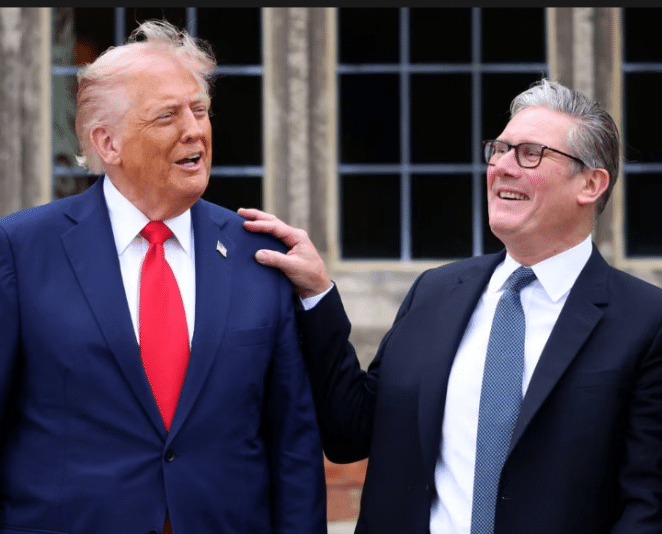
A spokesperson said the prime minister’s decision complied fully with Cabinet Office gift rules, and that all disclosures were made in the quarterly publication of ministerial transparency data.
The Keir Starmer gift from Trump attracted particular interest because of its personal nature, with the jewellery reportedly engraved with initials representing both the UK and US leaders.
Observers noted that the silver necklace gift carried symbolic significance amid renewed diplomatic warmth between London and Washington after months of transatlantic tension over trade and security matters.
During the state visit, Starmer presented the US president with a red ministerial box embossed with the presidential seal — a gesture reflecting a tradition of political reciprocity.
Donald and Melania Trump presents also included a specially designed silk scarf given to Victoria Starmer, featuring artwork created by Ukrainian schoolchildren in recognition of ongoing UK support for Ukraine.
However, Victoria Starmer’s cowboy boots — another of the Donald and Melania Trump presents — were retained by officials as part of the Cabinet Office’s standard collection procedure for valuable state gifts.
Government sources confirmed that all items were evaluated and handled under Cabinet Office gift rules, ensuring that no conflict of interest or ethical breach occurred in connection with their receipt.
The Downing Street transparency records also reveal that Starmer was not the first UK leader to make such a decision. Previous prime ministers, including Rishi Sunak and Boris Johnson, faced similar gift retention questions.
Diplomatic gift exchanges between leaders are often seen as symbolic gestures of goodwill, though they occasionally spark debate over propriety, value, and political interpretation.
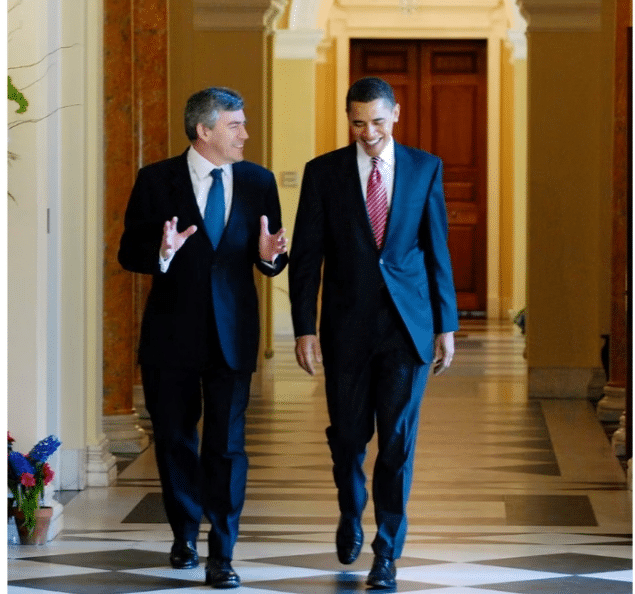
In 2009, Gordon Brown’s exchange with Barack Obama made headlines after the British leader gifted an ornamental pen holder made from HMS Gannet wood — an anti-slavery ship of historical importance.
Obama’s return gift — a DVD box set of classic American films — was widely criticized as underwhelming, underscoring the delicate art of Donald and Melania Trump presents and broader diplomatic etiquette.
Political historians suggest that the silver necklace gift may carry both sentimental and political weight, representing a rare personal gesture amid a carefully choreographed state event.
The September visit marked Trump’s second official state visit to Britain, following his earlier presidency, and featured a Windsor Castle banquet hosted by King Charles III.
The Keir Starmer gift from Trump emerged as one of the most discussed outcomes of the visit, reflecting not only the renewed U.S.–UK partnership but also the prime minister’s cautious political image.
Critics of Starmer argue that accepting any item of value from Trump risks public misunderstanding, even if the purchase followed Cabinet Office gift rules and complete transparency procedures.
Supporters, however, emphasize that the silver necklace gift was fully disclosed and personally paid for, underscoring Starmer’s commitment to integrity and compliance with ministerial accountability standards.
According to one ethics expert, the payment mechanism under Cabinet Office gift rules prevents gifts from creating undue influence while allowing leaders to preserve meaningful tokens of diplomacy.
Diplomatic etiquette guides note that such exchanges often convey subtle messages of friendship, cultural respect, and leadership identity, even when the items themselves appear modest or symbolic.
For Donald and Melania Trump, who have long cultivated a taste for luxury, their chosen gifts combined both personal flair and traditional craftsmanship.
The Downing Street transparency records show that the golf club and cufflinks were customized with Trump branding, consistent with the former president’s well-known preference for personalization.
While no controversy has yet emerged over this Keir Starmer gift from Trump, Trump has previously been accused of gifting imitation jewellery before his presidency — a claim made by actor Charlie Sheen.
Sheen once told a late-night talk show that Trump had presented him with fake diamond cufflinks, which an appraiser later found to be made from pewter and zirconia rather than platinum and diamonds.
Although unrelated, such anecdotes have resurfaced online following the revelation of the silver necklace gift, prompting a flurry of social media discussion about authenticity and image.
Despite the chatter, both governments have described the recent state visit as a diplomatic success, emphasizing strengthened cooperation on trade, defense, and climate commitments.
The silver necklace gift thus stands as a symbol of continuity in transatlantic relations, even amid global political shifts and domestic scrutiny of leadership ethics.
Within Westminster, discussions of the Cabinet Office gift rules have intensified, with some MPs calling for clearer guidelines on the valuation and disclosure of gifts from foreign dignitaries.
Transparency advocates argue that publishing precise valuations in Downing Street transparency records would help prevent speculation and ensure greater trust in public institutions.
Meanwhile, Starmer’s decision to keep the necklace gift has inspired debate among political commentators about the balance between tradition, symbolism, and perception in modern diplomacy.
As one columnist observed, diplomatic gifts — from the most lavish aircraft to the simplest tokens — often tell a deeper story about the personalities and politics behind international alliances.
Whether the necklace gift was chosen for its craftsmanship, cultural meaning, or personal appeal, it will likely remain a small but memorable footnote in Starmer’s premiership.
For now, officials insist that the episode illustrates how Cabinet Office gift rules function effectively to preserve transparency, accountability, and propriety in matters of international exchange.
And while the Keir Starmer gift from Trump may not rival the extravagant gestures once seen between global powers, it reflects a modern era of understated yet meaningful diplomacy.
About The Author