Katsina strengthens emergency healthcare as Governor Radda deploys modern ambulances to cut response time, save lives, and improve critical medical care statewide.
The Katsina State Government has taken a decisive step toward strengthening emergency medical response with the launch of 15 newly procured, fully equipped intensive-care ambulances aimed at delivering round-the-clock healthcare services across the state.
The initiative is widely seen as a strategic intervention to address delays in emergency response and reduce preventable deaths caused by accidents, medical crises, and disasters.
The introduction of the Katsina emergency ambulances represents a major milestone in Governor Dikko Umaru Radda’s broader agenda to modernise healthcare delivery and build a resilient medical response system that can serve residents regardless of time or location.
The vehicles were acquired under the State Emergency Medical Services and Ambulance System (SEMSAS), a programme designed to improve coordination and efficiency in emergency healthcare operations.
Approval for the procurement was granted by the Katsina State Executive Council during its 17th meeting held on November 22 last year.
Officials familiar with the process say the decision followed growing concerns about the rising number of road accidents, medical emergencies, and the limited availability of functional emergency transport, especially in rural communities.
Each of the newly deployed Katsina emergency ambulances is outfitted with modern life-support facilities, including oxygen delivery units, cardiac and vital-sign monitoring equipment, stretchers, suction devices, and emergency resuscitation tools.
Unlike conventional ambulances, these vehicles are designed to function as mobile intensive-care units, allowing medical personnel to stabilise patients while en route to hospitals.
Healthcare experts note that such equipment is critical in emergency situations where the first few minutes often determine survival outcomes.
By providing immediate care during transit, the ambulances are expected to significantly reduce fatalities linked to delayed medical attention.
The ambulances were formally presented at the Government House, where the Chief of Staff, Alhaji Abdulkadir Mamman Nasir, received them on behalf of Governor Radda.
The event marked the official integration of the vehicles into the state’s emergency response framework.
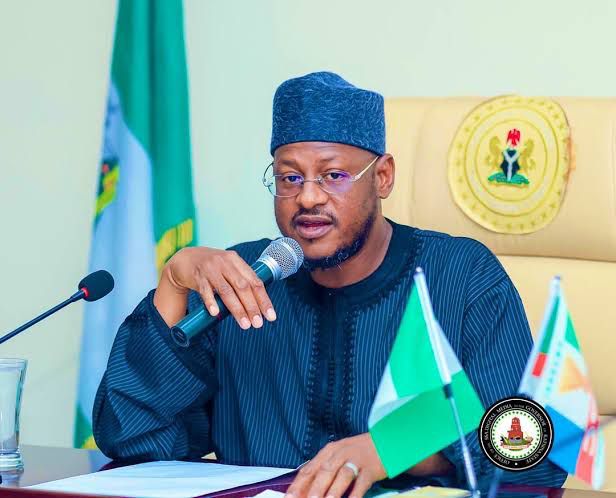
Speaking at the ceremony, Governor Radda described the deployment as another fulfilled promise under his administration’s people-focused governance agenda.
He stressed that the government’s responsibility extends beyond infrastructure development to ensuring the safety and well-being of citizens who rely on those facilities.
The governor pointed out that ongoing road construction and rehabilitation projects across Katsina State have led to increased vehicular movement, economic activity, and inter-community travel.
While these developments are positive, he acknowledged that they also heighten the risk of road traffic accidents and emergency incidents.
“As mobility increases, so does exposure to accidents and medical emergencies. Government must be proactive, not reactive.
“We must have systems in place to respond immediately when lives are at risk,” Governor Radda said.
According to him, the Katsina emergency ambulances will operate on a 24-hour basis and be strategically positioned along major highways, densely populated urban centres, and key rural corridors.
This approach, he explained, will ensure rapid response times and equitable access to emergency healthcare services across the state.
Governor Radda emphasised that the ambulances are not merely transport vehicles but advanced medical units capable of delivering critical care in real time.
He added that no resident should suffer or lose their life due to the absence of timely emergency assistance.
“These ambulances are designed to reach patients when every second matters. Lives should not be lost because help arrived too late,” he stated.
Beyond emergency response, the governor noted that the initiative would also help decongest secondary and tertiary health facilities by ensuring patients receive stabilising care before arrival.
This, he said, would improve efficiency within hospitals and enhance the overall quality of healthcare delivery in the state.
The investment in Katsina emergency ambulances aligns with broader reforms in the Katsina health sector, including facility upgrades, recruitment of health workers, and improved access to essential medical services.
Officials say the long-term goal is to build a healthcare system that is responsive, inclusive, and capable of handling emergencies at any hour.
Residents and health advocates have welcomed the development, describing it as a timely intervention that addresses a long-standing gap in emergency healthcare.
Many believe the success of the programme will depend on proper staffing, maintenance, and sustained funding to ensure the ambulances remain functional.
Governor Radda reaffirmed his administration’s commitment to sustaining the programme, stating that accessible healthcare remains a core priority of his government.
“Our objective is clear — faster response, better care, and healthier communities. Quality healthcare must be available at all times and in every corner of Katsina State. This initiative brings us closer to that vision,” he said.
About The Author