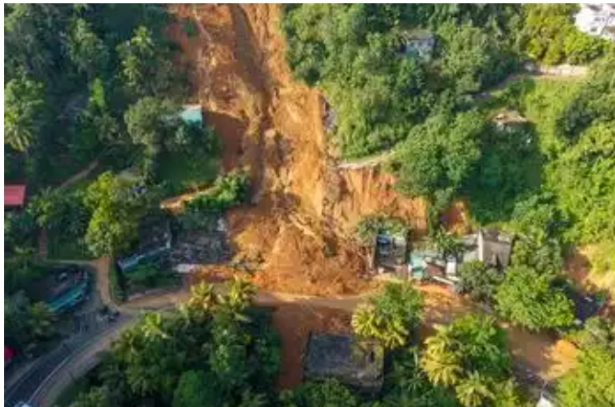
Kalogi civilian attacks dominated global concern on Friday after new field reports confirmed dozens of deaths in South Kordofan, deepening international alarm over intensifying violence against vulnerable communities.
The rising death toll prompted humanitarian groups to issue immediate warnings, describing the violence as a “calculated assault on innocence” and urging global pressure to halt relentlessly expanding conflict zones.
Officials aligned with the Sudanese Armed Forces insisted the strikes on a kindergarten were “deliberate,” warning that expanding RSF operations threatened thousands living across already devastated regions.
Survivors recounted the moment suicide-style drones erupted across Kalogi’s streets, saying the blasts tore through playgrounds and clinics as children screamed and families rushed toward improvised shelters.
Medical workers said the chaos overwhelmed facilities within minutes, forcing staff to treat children on dusty floors using flashlights and torn fabric due to catastrophic shortages of surgical supplies.
Doctors warned that injuries were “beyond manageable limits,” stressing that dozens remained in critical condition and could raise the death count significantly as emergency efforts stretched into the night.
The South Kordofan crisis intensified following the simultaneous targeting of a kindergarten, a city hospital and a nearby administrative building, each struck as civilians attempted rescue operations.
Witnesses said residents were hit in “waves of fire,” describing second strikes launched minutes after first responders and volunteers rushed in to retrieve wounded children.
Aid workers said the pattern mirrored previous RSF drone strikes elsewhere in Kordofan, calling the tactic “systematic, intentional and unmistakably aimed at breaking community resilience.”
SAF-aligned sources told reporters that at least 47 people died, most of them children, though they warned the shifting security landscape complicated the verification of casualty figures.
Authorities in the region said communication lines collapsed after the strikes, leaving Kalogi cut off for hours as families attempted to contact relatives trapped under debris.
Local leaders described the attack as “one of the darkest days in living memory,” urging immediate protection for civilians facing expanding front-line clashes.
Humanitarian groups said the assault reflected a devastating trend, warning that the continued Sudan war escalation threatened to push regional suffering toward “an irreversible collapse.”
International monitors noted increasing use of advanced drones in urban settings, arguing that their deployment against schools and hospitals could constitute prosecutable war crimes.
Parents who survived the kindergarten blast described watching children clutch toys moments before explosions tore through classrooms and sent flames rolling along corridors.
One mother said she “felt the sky fall,” explaining that the force of the blast ripped apart walls and hurled debris across an entire residential block.
SAF officials condemned the Kalogi attack as “barbaric,” insisting the RSF deliberately returned to strike bystanders after the first explosion triggered neighborhood panic.
Global rights advocates called for urgent investigations, stressing that evidence of targeted child killings demanded immediate intervention from regional and international powers.
UN authorities echoed similar concerns, warning that Kordofan’s fragile environment risked unraveling entirely unless diplomatic pressure halted expanding territorial offensives.
UN human rights chief Volker Turk said the pattern of civilian killings showed “a chilling repetition of horrors witnessed in el-Fasher,” urging world leaders not to ignore rising alarms.
Since the RSF’s capture of Bara in late October, the UN documented hundreds of deaths from bombardment, shelling and summary killings as front lines pushed deeper into the region.
Aid agencies said blackout conditions across Kordofan prevented accurate reporting, meaning the real number of casualties was “almost certainly far higher” than initial counts.
Communities described enduring revenge attacks, widespread detentions, sexual violence and forced recruitment of boys, deepening fears of complete societal breakdown.
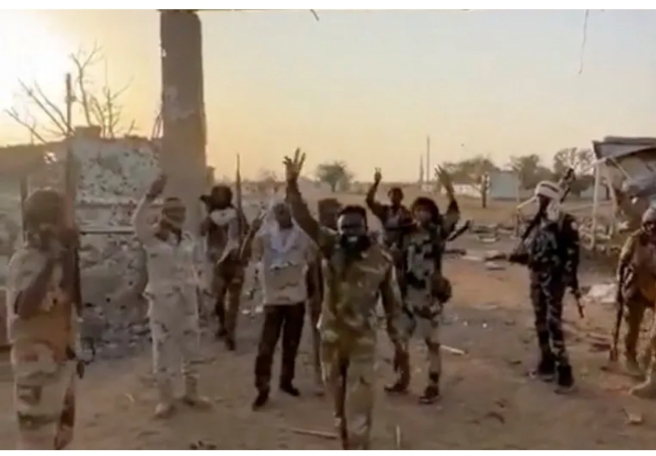
The RSF recently claimed control of Babnusa, releasing video showing fighters marching through a captured base, though the army disputed losing the strategically located city.
Analysts said Babnusa’s contested status underscored the shifting dynamics across central Sudan as armed groups sought dominance over transport corridors and supply routes.
Observers warned that Kordofan’s fall would offer the RSF direct passage toward Khartoum, significantly altering power balances formed after earlier battles for the capital.
SAF sources said losing el-Fasher last month triggered a regional power shift, allowing RSF fighters to reallocate men and weapons toward central Sudan.
Humanitarian officials said el-Fasher’s collapse showed what could come next, reminding world leaders that ignored warnings previously allowed massacres to unfold unchecked.
After the city’s fall, satellite imagery revealed mass graves and widespread destruction, prompting UN chief António Guterres to call the site “a crime scene.”
Rights organisations urged sanctions on RSF commanders, saying previous measures did not deter groups from escalating territorial expansion campaigns.
Amnesty International demanded immediate war crimes investigations following what it called “relentless targeting of civilian concentrations,” including schools and refugee encampments.
European officials expressed alarm, citing their own intelligence indicating rapidly increasing coordination between RSF units operating across Darfur and Kordofan.
Regional diplomats said the conflict now represented “a multi-front collapse,” arguing that only unified international pressure could slow the spread of armed confrontations.
Residents said they had no functioning health system left, with hospitals destroyed, pharmacies emptied and medical professionals either displaced or trapped inside besieged towns.
Aid workers described Kordofan humanitarian collapse as “one of the worst of this decade,” noting that displaced families slept in abandoned markets and broken trucks.
Survivors of Kalogi’s hospital strike said the building shook violently as flames consumed entire wards, forcing staff to evacuate newborn infants into open streets.
Volunteers attempted to use buckets to control fires, but soaring temperatures and exploding fuel containers made the situation impossible to manage safely.
Local teachers said the targeted kindergarten had been a community safe haven, hosting children whose families had already fled violence in surrounding villages.
One teacher said students had been rehearsing songs for a cultural event when drones detonated nearby, blowing open doors and shattering glass across the playground.
Officials said the strike damaged the only functioning maternity unit in the city, leaving pregnant women without any facility to deliver safely.
Aid coordinators said dozens of children remained unaccounted for, raising fears that many might be buried beneath rubble once rescue efforts resumed.
Local authorities said the hospital’s storage facility was destroyed, erasing its entire supply of antibiotics, blood bags and emergency oxygen.
Community elders warned that civilians now faced starvation as displaced families flooded already strained food distribution points across Kalogi.
Regional experts said the attack marked a turning point in Sudan’s conflict, demonstrating how rapidly violence could shift from frontline battles to community centers.
Diplomats said any future peace initiative must prioritise protection of children, noting the devastating psychological impacts of repeated bombings.
Parents described “unimaginable fear” as they collected scattered belongings from destroyed homes while listening for additional drones circling overhead.
International agencies called for humanitarian corridors, stressing that renewed fighting already blocked key roads needed to deliver essential supplies.
Witnesses said RSF fighters tightened checkpoints across surrounding areas, raising concerns about future access for aid convoys attempting to reach isolated towns.
The UN’s latest report warned that unless immediate action occurred, Kordofan could witness “a mass atrocity event comparable to the worst moments of Darfur.”
Negotiators said repeated diplomatic failures allowed warring groups to commit abuses without accountability, undermining efforts to stabilise conflict-affected zones.
Observers urged stronger regional mediation, insisting that community-level violence would expand unless commanders faced pressure from external actors.
Humanitarian leaders argued that protecting civilians required not only ceasefire agreements but also “credible monitoring and rapid-response mechanisms.”
International analysts said the Kalogi attack illustrated the dangerous evolution of conflict tactics, with armed groups increasingly relying on remote weapons against crowded areas.
Civilians across Kordofan told reporters they no longer believed promises of peace, saying every ceasefire announcement had ended in renewed bombardments.
One father carrying his injured daughter said, “We are running out of places to hide. If the world stays silent, our children will not survive.”
Community networks attempted to document the attack despite communication outages, hoping to preserve evidence for future investigations.
Aid organisations demanded immediate deployment of emergency airlifts to deliver medical supplies, warning that ongoing power cuts threatened thousands requiring urgent care.
International observers insisted that global inaction risked enabling further atrocities across Sudan’s collapsing regions.
Diplomats from neighbouring countries expressed concern that spreading violence threatened border stability and endangered millions seeking refuge.
Humanitarian workers pledged to continue operations despite risks, saying abandoning Kalogi would leave civilians entirely defenseless.
Advocates said survivors required trauma care alongside medical treatment, warning that children who lived through the blasts faced long-term psychological harm.
Regional leaders urged coordinated pressure on all armed groups, emphasising that accountability remained essential to preventing future civilian massacres.
As night fell over Kalogi, families retrieved bodies from ruins, whispering prayers while volunteers lit candles amid shattered walls and scattered toys.
The world, witnesses said, must not ignore Kalogi again, insisting that ending the suffering required immediate action, decisive diplomacy and sustained humanitarian commitment.
—
About The Author