

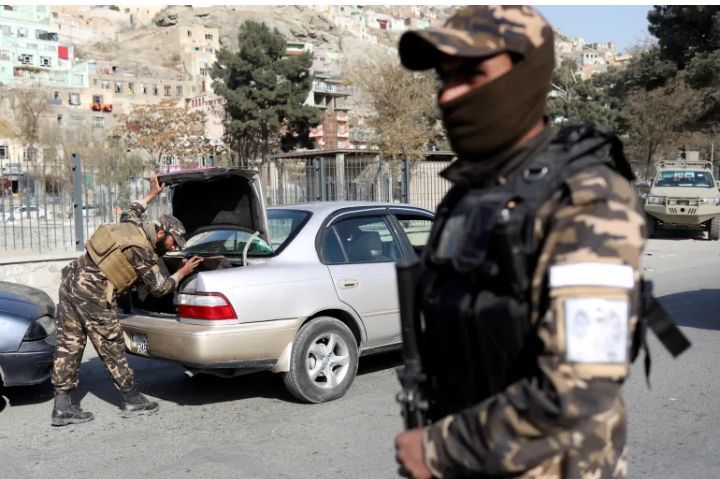
Explosions shook Kabul on Thursday, triggering alarm across the city as Taliban authorities blamed Pakistan, marking a tense escalation in already fragile regional relations. “An explosion was heard in Kabul city,” said Taliban spokesman Zabihullah Mujahid, emphasizing ongoing investigations and minimal reported damage.
The blasts also hit Paktika province, intensifying concerns over cross-border security and Taliban-Pakistan tensions.
Taliban officials have grown increasingly wary of Islamabad‘s influence, particularly over accusations of sheltering anti-Pakistan groups. Afghan authorities cited Pakistan as responsible for the recent blasts without disclosing details, signaling deteriorating trust.
“Afghanistan is being used as a base of operations against Pakistan,” warned Pakistani military spokesman Ahmad Sharif, underscoring ongoing regional friction.
The timing coincided with Taliban Foreign Minister Amir Khan Muttaqi’s diplomatic mission to India, marking the first high-level engagement since the Taliban’s 2021 return to power.
Analysts suggest the outreach aims at diversifying alliances and seeking recognition. “The Taliban are recalibrating foreign policy, engaging former adversaries for legitimacy,” noted security analyst Tameem Bahiss, highlighting Kabul’s strategic shifts.
Relations between Afghanistan and Pakistan have been historically complex, worsened by rising attacks linked to the Pakistan Taliban (TTP).
In 2025 alone, over 600 incidents involving TTP targeting Pakistani security forces were recorded, reflecting persistent instability. “Violence has nearly matched the entire toll of last year,” said an ACLED report, confirming a troubling trend in border security incidents.
Pakistan has consistently criticized Afghanistan for failing to rein in TTP fighters, accusing Kabul of complicity. Recent military clashes and airstrikes within Afghan territory have further deepened mistrust. Defence Minister Khwaja Asif asserted, “Despite years of negotiations, the bloodshed in Pakistan has not stopped,” emphasizing longstanding frustrations with Afghan policies.
The Kabul blasts have fueled speculation of targeted attacks against TTP leaders, including chief Noor Wali Mehsud. Officials confirmed Mehsud remains unharmed, but the incident underscores the volatile security environment. Analysts warn that any cross-border operations risk strengthening sympathies for TTP among Afghan communities, potentially creating a cycle of violence.
Taliban authorities have publicly denied harboring the TTP and continue efforts to project stability. “Previous airstrikes yielded no concrete results and deepened mistrust,” noted Bahiss, emphasizing the delicate balance the Taliban must maintain amid regional pressures. Islamabad’s involvement in the Kabul explosions, if confirmed, could undermine fledgling diplomatic efforts with neighboring powers.
This diplomatic tension emerges alongside Pakistan’s mass Afghan expulsion campaign, which has forcibly returned nearly one million refugees since November 2023.
Prime Minister Shehbaz Sharif has issued stark warnings, asserting that support for terrorists will sever ties with Kabul. The refugee issue, combined with violent clashes, exacerbates a climate of distrust and insecurity along the border.
Taliban-India engagement signals an attempt to break Islamabad’s monopoly over Afghan relations. The six-day visit by Foreign Minister Muttaqi includes meetings focused on humanitarian aid, infrastructure projects, and potential diplomatic recognition. “Engaging India is part of a larger strategy to diversify Afghanistan’s partnerships,” analysts say, illustrating the Taliban’s pragmatic diplomacy.
Regional powers, including China, have mediated in previous Taliban-Pakistan dialogues, yet persistent TTP activity complicates peace-building.
Islamabad’s military continues defensive and retaliatory operations, highlighting a security-first approach. Analysts caution that escalations, if uncoordinated, may provoke further instability on both sides of the porous border.
The strategic significance of Kabul and Kandahar as political and spiritual centers, respectively, amplifies the stakes of any cross-border actions.
Security experts stress that targeting high-value leaders within Afghanistan could trigger retaliatory violence, drawing both nations deeper into conflict. “Any strikes risk mobilizing new recruits for TTP,” warned Bahiss.
The evolving Taliban foreign policy is tested by multiple pressures: domestic governance challenges, regional power rivalries, and the ongoing security threat posed by TTP.
Analysts suggest Kabul must balance diplomatic outreach with security imperatives, or risk alienating neighbors and intensifying internal instability. Diplomatic maneuvers toward India are part of this delicate calculus.
Historical Afghan-Pakistan tensions, exacerbated by decades of refugee crises and border disputes, continue to influence modern security dynamics.
Pakistan hosted millions of Afghan refugees since the 1980s, reflecting a long history of regional interdependence. “Sixty years of hospitality are being paid with blood,” remarked Defence Minister Asif, reflecting accumulated grievances.
The Taliban’s international legitimacy hinges on successfully managing these complex regional relationships while maintaining internal control.
Any perception of collaboration with armed groups could jeopardize ongoing diplomatic efforts, threatening foreign aid and recognition. Analysts predict that the Kabul blasts will test both domestic and international patience with Taliban governance.
Amid these crises, civilian resilience remains a key factor in Afghanistan’s stability. Residents of Kabul, while shaken by explosions, continue daily life under persistent security threats. Humanitarian observers warn that instability and violence directly impact recovery efforts, particularly as foreign engagement ramps up in infrastructure and aid sectors.
As the Taliban navigate the delicate balance of asserting authority, countering TTP influence, and cultivating international recognition, the coming months are critical.
Observers note that successful diplomacy with India could reshape Afghanistan’s regional positioning, while ongoing border violence with Pakistan threatens to undermine such gains.
Security analysts suggest that continuous monitoring of TTP activity and cross-border relations is essential. Any miscalculation by either Islamabad or Kabul could trigger broader conflict.
“The situation remains extremely fragile, and proactive engagement is required to prevent escalation,” Bahiss emphasized, reflecting widespread concerns among policy experts.
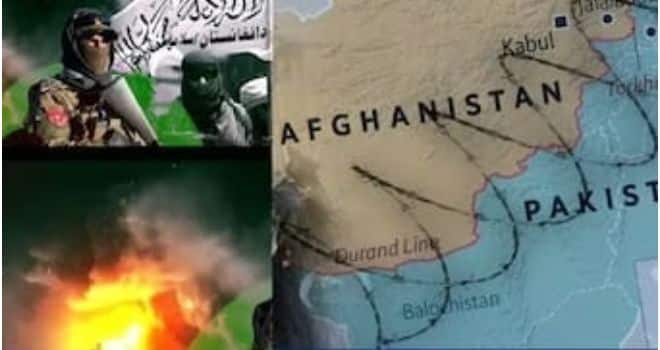
The Kabul blasts, though reportedly causing no casualties, symbolize deeper geopolitical strains. They highlight the challenges the Taliban face in maintaining sovereignty, ensuring regional stability, and pursuing diplomatic recognition. Each development underscores the intricate interplay of security, diplomacy, and domestic governance in Afghanistan.
Looking ahead, regional dialogue, mediated by neutral powers, could provide a framework for cooperation on security and counter-terrorism.
Analysts urge both Afghanistan and Pakistan to pursue transparent engagement to prevent further escalation. International stakeholders continue to watch developments, aware that missteps could reverberate beyond the region.
The Taliban’s ongoing diplomatic outreach, combined with internal security challenges, demonstrates the fragile nature of Afghanistan’s post-2021 political landscape.
Observers note that meaningful dialogue with Pakistan, alongside constructive engagement with India, may determine the trajectory of stability and development in the country.
The latest incidents serve as a stark reminder that Afghanistan’s security environment remains unpredictable. As the Taliban assert foreign policy independence, balancing domestic priorities with external pressures is crucial.
Analysts conclude that sustainable peace will require coordinated regional strategies, not unilateral actions, to prevent future crises.
About The Author


